


Are Peptides Legal in the UK? Complete 2026 Guide
8 min read
Uw winkelwagen is leeg
Begin met het toevoegen van onderzoekspeptiden aan uw winkelwagen.
PRODUCTEN BEKIJKENBPC-157 and TB-500 represent two of the most extensively studied peptides in tissue regeneration research. BPC-157, a 15-amino-acid gastric pentadecapeptide, has been investigated in over 100 preclinical studies for its role in nitric oxide pathway modulation and growth factor expression. TB-500, a synthetic fragment of Thymosin Beta-4, is studied for its ability to promote actin polymerisation and cell migration — the fundamental mechanical processes underlying tissue repair.
107+
PUBLISHED BPC-157 STUDIES
>99%
PURITY GRADE (HPLC VERIFIED)
48h
OBSERVED ONSET IN PRECLINICAL MODELS
15aa
BPC-157 AMINO ACID SEQUENCE
Het werkingsmechanisme achter het onderzoek begrijpen
Research suggests BPC-157 may upregulate key growth factors including VEGF (vascular endothelial growth factor), FGF (fibroblast growth factor), and EGF (epidermal growth factor). These signalling molecules are central to the tissue repair cascade, promoting angiogenesis and fibroblast proliferation at injury sites. Studies indicate this growth factor modulation may accelerate the natural healing timeline.
TB-500 is studied primarily for its role in actin regulation — the structural protein that enables cell movement and tissue remodelling. Research indicates TB-500 may promote the formation of new blood vessels and the migration of endothelial cells and keratinocytes to wound sites. This mechanism is fundamental to soft tissue repair across muscles, tendons, and ligaments.
Both BPC-157 and TB-500 have been investigated for their anti-inflammatory properties. Research suggests BPC-157 may modulate the nitric oxide system and reduce pro-inflammatory cytokine expression. TB-500 studies indicate potential suppression of inflammatory pathways while preserving the beneficial aspects of the acute inflammatory response necessary for repair.
An intriguing area of BPC-157 research is its apparent systemic activity — studies suggest subcutaneous administration may influence repair at distant injury sites, not only at the injection location. TB-500, with its low molecular weight, distributes widely through tissues. Together, research indicates this combination may provide both local and systemic recovery support.
BPC-157 has been investigated across an extraordinary range of tissue types — muscle, tendon, ligament, bone, skin, and gastrointestinal mucosa. Preclinical data shows positive signals in each model, suggesting a broad-spectrum regenerative mechanism rather than tissue-specific action. This versatility makes it uniquely valuable in recovery research.
Studied across 7+ tissue types in preclinical models
Research specifically examining BPC-157 in tendon-to-bone healing models suggests accelerated recovery markers. Studies indicate potential upregulation of type I collagen and growth hormone receptor expression at tendon injury sites. TB-500 complements this through its role in cell migration to connective tissue damage sites.
Preclinical studies have investigated BPC-157 in post-surgical recovery models, including anastomosis healing, muscle transection, and organ damage repair. Research suggests potential benefits for recovery timelines and tissue integrity post-procedure, making these peptides of significant interest in surgical recovery research.
Investigated in over 20 surgical recovery models
As a gastric peptide, BPC-157 is naturally present in trace amounts in human gastric juice. Research suggests it may protect and restore gastrointestinal mucosal integrity, with studies examining its effects on ulcers, inflammatory bowel conditions, and gut permeability. The gut-brain axis connection adds a neurological dimension to its recovery profile.
Emerging research suggests BPC-157 may have neuroprotective properties, with preclinical studies examining its effects on peripheral nerve damage, dopaminergic system modulation, and serotonergic pathway stabilisation. This represents a frontier area of peptide recovery research with growing published evidence.
Researchers frequently study BPC-157 and TB-500 in combination due to their complementary mechanisms. BPC-157 focuses on growth factor expression and nitric oxide modulation while TB-500 drives actin-mediated cell migration. Studies suggest the combination may produce additive or synergistic effects on recovery markers compared to either compound alone.
Premium voorgemengde, gebruiksklare onderzoeks-peptide toedieningssystemen
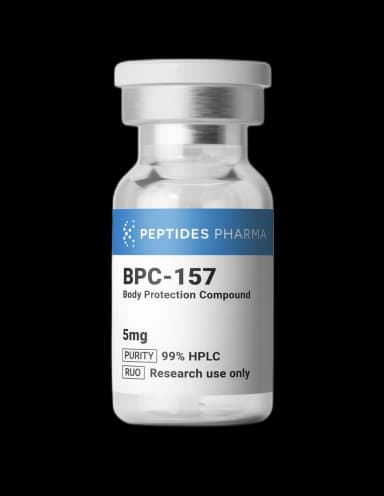
Body Protection Compound-15
A pentadecapeptide widely studied in tissue regeneration and gastrointestinal research. Research suggests BPC-157 may modulate nitric oxide pathways and growth factor expression including VEGF and EGF.
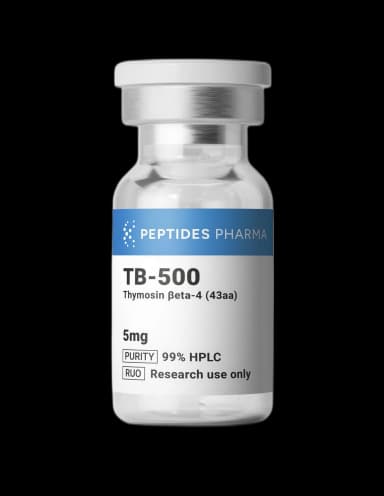
Thymosin Beta-4 Fragment
A fragment of Thymosin Beta-4 studied for its role in cell migration and actin regulation. Research suggests TB-500 may promote angiogenesis and modulate inflammatory and wound repair pathways.
Onderzoekers en professionals die op deze gebieden werkzaam zijn
Investigating peptide-assisted recovery from soft tissue injuries including muscle strains, tendon tears, and ligament damage. BPC-157 and TB-500 are among the most cited compounds in sports injury recovery literature.
Studying compounds that may support tissue repair following surgical procedures. Preclinical data on BPC-157 in post-surgical models provides a strong research foundation for protocol development.
Examining how accelerated recovery timelines may impact training capacity and performance outcomes. Recovery peptide research has direct implications for understanding tissue adaptation under high training loads.
Studying BPC-157's unique gastric origin and its potential effects on mucosal integrity, gut permeability, and inflammatory bowel conditions. The gut-protective properties represent a distinct research avenue.
Why Researchers Choose Peptides Pharma Recovery Peptides
The combination of BPC-157 and TB-500 is one of the most widely researched peptide pairings in regenerative medicine literature. Research protocols typically employ daily subcutaneous administration of both compounds, leveraging their complementary mechanisms — BPC-157 for growth factor upregulation and TB-500 for actin-mediated cell migration.
DUUR
8-12 weeks
FREQUENTIE
Daily subcutaneous
PRODUCTS
2 peptides
Recovery peptides are synthetic compounds that support the body's natural healing processes. BPC-157 (Body Protection Compound) and TB-500 (Thymosin Beta-4) are the most studied recovery peptides, with extensive research into their tissue repair, anti-inflammatory, and wound healing properties.
BPC-157 is a 15-amino acid peptide derived from gastric juice proteins, primarily researched for gut healing, tendon repair, and neuroprotection. TB-500 is a 43-amino acid peptide fragment of Thymosin Beta-4, researched for wound healing, cardiac tissue repair, and reducing inflammation. Many researchers study them together for complementary effects.
Peptides Pharma's lyophilized vials provide maximum stability and flexible dosing. Reconstitute with bacteriostatic water for precise, consistent research protocols.
All Peptides Pharma peptides are manufactured to >99% purity in GMP-certified facilities. Each batch undergoes HPLC testing and comes with a Certificate of Analysis.
Legal under MHRA rules. BPC-157, tirzepatide & NAD+ vials with worldwide delivery from £99. >99% purity, GMP certified, COA included.
ARTICLEPens cut dosing error from 15% to under 2%. We compare accuracy, contamination risk, cost, and convenience. See why researchers are switching in 2026.
ARTICLEOver 100 published studies back BPC-157 for tissue repair, gut healing, and neuroprotection. Mechanisms, dosing protocols, and where to buy in the UK.
COMPARISONCompare BPC-157 and TB-500 for recovery research. Mechanisms, benefits, dosing, and when to use each peptide vial. Buy research-grade peptides.
COMPARISONCompare BPC-157 and KPV for anti-inflammatory research. Multi-pathway tissue repair vs targeted NF-kB suppression. Buy >99% purity research-grade peptides.
ENCYCLOPEDIAGastric Pentadecapeptide. Molecular weight: 1419.53 Da. Explore mechanism of action, key studies, and research applications.
BUNDLEThe most studied peptide duo in tissue regeneration research
PROTOCOLResearch protocol combining BPC-157 and TB-500 lyophilized vials for accelerated tissue recovery. Explore synergistic healing mechanisms, dosing schedules, and published study findings.
FAQAnswers to frequently asked questions about BPC-157 peptide research. Learn about purity, storage, administration, and research applications of Peptides Pharma BPC-157 vials.
CATEGORYResearch-grade weight loss research vials. Tirzepatide dual GIP/GLP-1 agonist for metabolic research. Lyophilized vials, >99% purity, worldwide delivery.
CATEGORYResearch-grade anti-aging research vials. GHK-Cu copper peptide, NAD+ and Glutathione for longevity research. >99% purity, worldwide delivery.
Access the two most-studied recovery peptides in regenerative medicine — BPC-157 and TB-500 — in lyophilized vial format systems designed for consistent research protocols.