A forward-looking analysis of the metabolic peptide research landscape heading into summer 2026 — major trends, emerging compounds, and what researchers should be watching.
8 min read · Updated 2026-05-08
The State of Metabolic Peptide Research in 2026
Metabolic peptide research is experiencing unprecedented growth in 2026, driven by converging trends in obesity science, longevity research, and precision medicine. The global peptide therapeutics market is projected to exceed $80 billion by 2028, with metabolic indications representing the fastest-growing segment.
Three macro-trends define the current landscape:
1. GLP-1 and multi-agonist dominance: Tirzepatide's dual GIP/GLP-1 mechanism has validated the multi-receptor approach, spurring development of triple-agonist and beyond compounds 2. NAD+ and longevity convergence: The ageing-as-disease framework has moved NAD+ from niche geroscience into mainstream metabolic research 3. Delivery innovation: The shift from vials to lyophilized vials and microdosing platforms is changing how peptide research is conducted at every scale
This article surveys the key compounds, emerging trends, and research opportunities that will define metabolic peptide science through summer 2026 and beyond.
GLP-1 Class: Beyond Semaglutide and Tirzepatide
The incretin-based metabolic peptide space continues to expand rapidly:
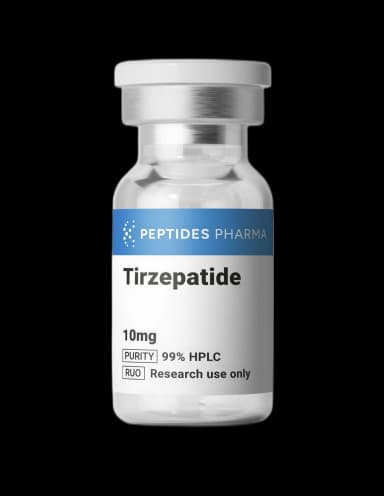
Established Compounds: - Semaglutide: Remains the benchmark GLP-1 agonist with the broadest clinical evidence base. The SELECT cardiovascular outcome trial solidified its cardiometabolic profile. - Tirzepatide: The dual GIP/GLP-1 agonist has established a new efficacy ceiling for weight management research (>20% body weight reduction). Peptides Pharma offers it as the Tirzepatide Vial (€169) and Tirzepatide Vial (€249).
Emerging Compounds to Watch: - Retatrutide (LY3437943): A triple agonist targeting GIP, GLP-1, and glucagon receptors. Phase 2 data showed up to 24.2% weight reduction at 48 weeks — potentially exceeding tirzepatide. - Survodutide (BI 456906): Dual GLP-1/glucagon agonist with promising data in metabolic-associated steatotic liver disease (MASLD). - Orforglipron: Oral non-peptide GLP-1 agonist — if successful, could disrupt the injectable-dominant market. - CagriSema: Cagrilintide + semaglutide combination targeting amylin and GLP-1 pathways.
The pipeline signals a clear direction: multi-target metabolic modulation is the future, and tirzepatide's dual-agonist approach was the proof of concept.
RECOMMENDED PRODUCT
NAD+ Research: From Longevity Niche to Metabolic Mainstream
NAD+ research has crossed the threshold from ageing-focused niche to a core area of metabolic investigation in 2026:
Key Developments: - Publication of large-cohort NAD+ repletion data showing improvements in metabolic markers, mitochondrial function, and inflammatory profiles - Growing evidence that NAD+ decline is both a cause and consequence of metabolic dysfunction — creating a vicious cycle that supplementation can interrupt - FDA IND filings for NAD+ and NMN in specific metabolic indications, signalling regulatory interest
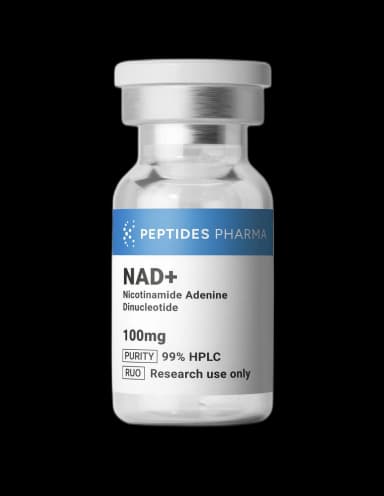
Active Research Frontiers: - NAD+ and insulin resistance: Exploring whether NAD+ repletion can restore insulin sensitivity independent of weight loss - Tissue-specific NAD+ metabolism: Understanding why NAD+ decline affects different organs at different rates - Combination protocols: NAD+ + exercise, NAD+ + caloric restriction, NAD+ + metabolic peptides - Delivery optimisation: The shift from IV to subcutaneous delivery (Peptides Pharma's NAD+ Vial and NAD+ vial system) is making sustained daily protocols practical for the first time
What This Means for Researchers: NAD+ is no longer just an "anti-ageing molecule." It's increasingly viewed as a metabolic resilience factor with applications across obesity, diabetes, cardiovascular disease, and neurodegeneration. Researchers entering this space in 2026 have a rich evidence base to build upon.
Growth Hormone Secretagogues: Refined Stacking Approaches
The GH secretagogue space in 2026 is characterised by increasingly sophisticated research designs:
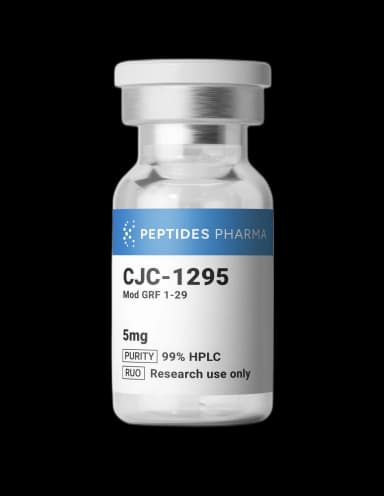
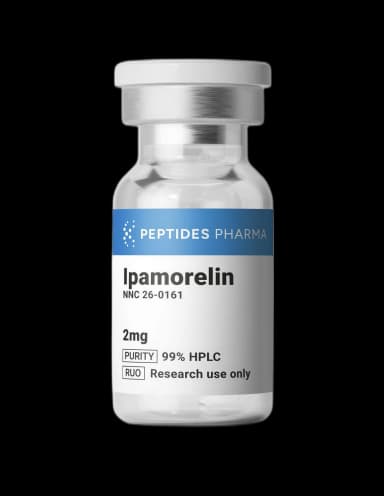
CJC-1295 + Ipamorelin Stack — Still the Gold Standard: - This complementary GHRH/GHSR combination remains the most studied and widely used GH secretagogue approach - New data in 2026 has further characterised its effects on body composition, sleep architecture, and recovery markers - Peptides Pharma's Growth Hormone Stack (CJC-1295 + Ipamorelin pens) provides a convenient research bundle
Emerging Trends: - Chrono-dosing: Research into optimal administration timing (aligning with natural GH pulse windows — typically 10 PM to 2 AM) - Combination with metabolic peptides: GH secretagogues + GLP-1 class compounds for body composition optimisation - Longer research cycles: 16-24 week protocols replacing traditional 8-12 week designs, showing continued benefits without desensitisation - Body composition focus: Shifting from pure GH elevation to outcome-driven metrics (lean mass, visceral fat, functional strength)
Research Opportunity: The intersection of GH biology and metabolic peptides is underexplored. Summer 2026 is an ideal time for researchers to investigate how GH secretagogues interact with the metabolic improvements produced by GLP-1-class compounds.
RECOMMENDED PRODUCT
Delivery Innovation: The Pen and Microdosing Revolution
Perhaps the most transformative trend in peptide research is the shift in delivery systems:
From Vials to Vial Systems: - Pre-mixed vial systems have eliminated reconstitution variability - Dosing precision has improved from ±10-15% (manual syringe) to <2% (vial mechanisms) - Research protocol compliance has increased with simpler administration - Contamination rates have decreased with sealed vial cartridges
The Microdosing Frontier: - Peptides Pharma's NAD+ vial platform represents the first adjustable-dose peptide delivery system designed for NAD+ - Research suggests that frequent low-dose administration may produce more sustained biological effects than intermittent high-dose protocols for certain compounds (particularly NAD+) - Adjustable dosing enables dose-response characterisation within a single vial system
Impact on Research Design: - Lower barrier to entry for new peptide researchers (no reconstitution skills needed) - More reliable data from consistent dosing - Longer protocol durations are practical with vial convenience - Home-based or field research becomes feasible
Peptides Pharma's full lineup — from standard research vials (BPC-157, CJC-1295, Ipamorelin, Tirzepatide) to advanced platforms (Semaglutide, NAD+ vial) — puts research-grade delivery in the hands of investigators worldwide.
Summer 2026: Key Opportunities for Researchers
Looking ahead through summer 2026, several convergent opportunities stand out:
1. Multi-peptide metabolic protocols: Combining GLP-1/GIP agonists with GH secretagogues and NAD+ for comprehensive metabolic optimisation research. The mechanistic synergies are compelling but under-studied.
2. Body composition research renaissance: Beyond simple weight loss — investigating how peptides affect fat-to-lean mass ratio, visceral vs subcutaneous fat, muscle protein synthesis, and functional outcomes.
3. Precision dosing with NAD+ vial: The availability of adjustable-dose delivery enables research designs that were previously impractical without compounding pharmacies.
4. Long-term NAD+ repletion data: Extended (6-12 month) NAD+ supplementation studies are now feasible with vial-based daily delivery, filling a major gap in the evidence base.
5. Real-world metabolic outcomes: Shifting from controlled clinical settings to real-world research protocols using self-administered vial systems — improving ecological validity.
Peptides Pharma's Peak Performance campaign (May 15 – June 30, 2026) aligns with this research momentum, offering bundled access to the key metabolic peptides driving summer 2026 research: - Metabolic Stack (Semaglutide + Tirzepatide) - Growth Hormone Stack (CJC-1295 + Ipamorelin) - NAD+ Complete Stack (NAD+ Vial + NAD+ Vial) - Total Wellness Stack (BPC-157 + NAD+ + Glutathione)
Visit /peak-performance for pricing and availability. All Peptides Pharma products are sold for research purposes only.