


NAD+ Complete Guide: Cellular Energy & Anti-Aging Research
10 min read
Cognitive performance is fundamentally constrained by neuronal energy supply, synaptic plasticity, neuroprotective capacity, and the structural integrity of neural networks. Peptides Pharma's cognitive enhancement range addresses each of these pillars through five complementary compounds: NAD+ for mitochondrial bioenergetics and sirtuin-mediated DNA repair, Humanin for mitochondria-derived neuroprotection against amyloid-beta and oxidative damage, Epithalon for telomerase activation in neural tissue and pineal melatonin modulation, Sermorelin for growth hormone-driven neurotrophic factor support, and MOTS-C for AMPK-mediated metabolic neuroprotection. Together, they represent the most comprehensive peptide toolkit for brain health research.
150+
PUBLISHED HUMANIN NEUROPROTECTION STUDIES
>99%
PURITY GRADE (HPLC VERIFIED)
20%
BRAIN SHARE OF TOTAL BODY ENERGY
5
COGNITIVE PATHWAYS TARGETED
Comprendiendo el mecanismo de acción detrás de la investigación
The brain consumes approximately 20% of the body's total energy despite representing only 2% of body mass, making neurons exquisitely sensitive to mitochondrial dysfunction. NAD+ is the critical coenzyme for the electron transport chain and a required cofactor for sirtuin activation — the family of enzymes governing DNA repair, chromatin remodelling, and neuronal stress resistance. Research shows NAD+ levels decline dramatically with age in brain tissue, correlating with impaired synaptic plasticity, reduced BDNF expression, and increased vulnerability to neurodegenerative processes.
Humanin is a 24-amino-acid peptide encoded in the mitochondrial genome, originally discovered during Alzheimer's disease research. It represents one of the most potent endogenous neuroprotective factors identified to date. Research demonstrates Humanin directly protects neurons from amyloid-beta toxicity, oxidative stress, and ischaemic damage by activating STAT3 and PI3K/Akt survival pathways. Studies show circulating Humanin levels decline with age, suggesting a progressive loss of this critical neuroprotective mechanism.
Epithalon activates telomerase in neural tissue, potentially extending the replicative capacity of glial cells and neural stem cells. Equally significant is its documented effect on pineal gland function — Epithalon stimulates melatonin production, which is critical for circadian rhythm regulation and sleep-dependent memory consolidation. Research on Epithalon shows activation of antioxidant enzymes (SOD, catalase) in brain tissue, providing a dual neuroprotective mechanism through both telomere maintenance and oxidative stress defence.
Sermorelin stimulates pituitary growth hormone release, which in turn drives hepatic IGF-1 production and direct neurotrophic effects. Research shows GH/IGF-1 signalling promotes BDNF (brain-derived neurotrophic factor) expression, supports myelination, and enhances hippocampal neurogenesis. MOTS-C complements this through AMPK activation — a central metabolic sensor that protects neurons against energetic stress, enhances glucose uptake in brain tissue, and reduces neuroinflammation. Together, they provide both growth factor support and metabolic resilience to neural networks.
NAD+-dependent sirtuins (particularly SIRT1 and SIRT3) are critical for DNA repair in neurons — cells that are largely post-mitotic and cannot dilute DNA damage through division. Research shows that age-related NAD+ depletion effectively silences sirtuin activity in brain tissue, leading to accumulated DNA damage, impaired chromatin regulation, and progressive neurodegeneration. NAD+ replenishment may reactivate these essential maintenance pathways.
Neurons cannot divide to dilute DNA damage — sirtuin repair is essential
Humanin's neuroprotective properties have been extensively studied in the context of Alzheimer's disease pathology. Research demonstrates it directly inhibits amyloid-beta-induced neurotoxicity, reduces tau hyperphosphorylation, and protects against the mitochondrial dysfunction that precedes visible neurodegeneration. These findings position Humanin as a critical research compound for understanding and potentially intervening in age-related cognitive decline at its earliest molecular stages.
Discovered during Alzheimer's research — the most potent endogenous neuroprotectant identified
Epithalon's stimulation of pineal melatonin production has direct implications for cognitive function through sleep architecture. Research demonstrates that melatonin is essential for slow-wave sleep — the phase during which hippocampal memory traces are consolidated into long-term cortical storage. By supporting pineal function and circadian regulation, Epithalon may enhance the overnight memory consolidation processes that are critical for learning and cognitive performance.
Growth hormone and IGF-1 are established promoters of hippocampal neurogenesis — the creation of new neurons in the brain's memory centre. Sermorelin stimulates endogenous GH release through the GHRH pathway, which in turn drives IGF-1 production and BDNF expression. Research shows GH-mediated neurotrophic signalling supports synaptic density, dendritic branching, and spatial memory — the cognitive functions most vulnerable to age-related decline.
MOTS-C activates AMPK — the cellular energy sensor that protects neurons from metabolic stress. Research shows AMPK activation enhances neuronal glucose uptake, reduces neuroinflammation through suppression of microglial activation, and promotes autophagy for clearance of damaged proteins and organelles. In the context of brain health, this metabolic protection is critical because neurons are uniquely vulnerable to energy supply disruptions.
These five compounds address non-overlapping cognitive pathways: energy supply (NAD+), structural protection (Humanin), cellular longevity (Epithalon), growth factor signalling (Sermorelin), and metabolic resilience (MOTS-C). Research in systems neuroscience increasingly supports the view that cognitive decline is a multi-factorial process requiring multi-target intervention — no single compound can address the full complexity of brain aging.
5 compounds targeting 5 non-overlapping cognitive pathways
Sistemas de administración de péptidos de investigación premium, premezclados y listos para usar
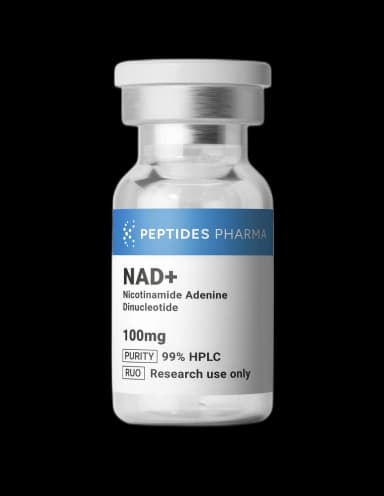
Nicotinamide Adenine Dinucleotide
A critical coenzyme present in every living cell, studied for its role in mitochondrial metabolism, sirtuin activation, and DNA repair pathways. Research suggests NAD+ levels decline with age, driving interest in supplementation research.
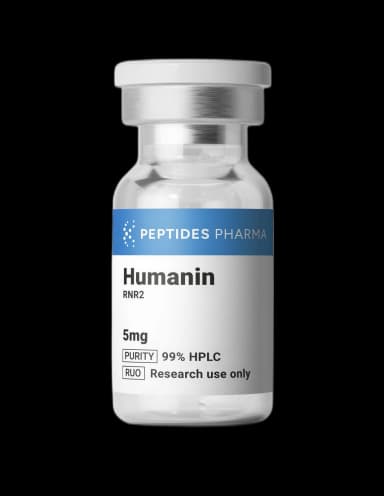
RNR2 Mitochondrial Peptide
A mitochondria-derived peptide encoded by the MT-RNR2 gene, studied for its cytoprotective and anti-apoptotic properties. Research suggests Humanin may protect against oxidative stress and neurodegenerative processes.
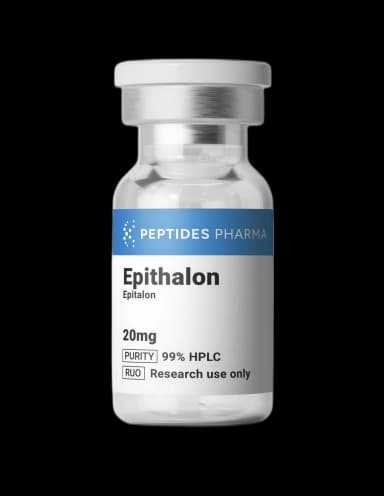
Epitalon (AEDG Peptide)
A tetrapeptide (Ala-Glu-Asp-Gly) studied for its role in telomerase activation and pineal gland function. Research suggests Epithalon may regulate melatonin production and modulate cellular aging pathways.
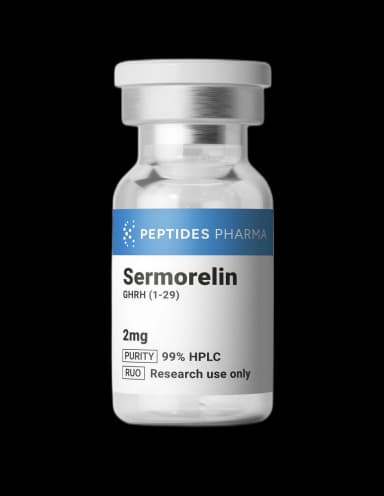
GHRH (1-29) NH2
A synthetic analogue of the first 29 amino acids of growth hormone releasing hormone (GHRH). Sermorelin has been FDA-approved as a diagnostic agent and is widely studied for its ability to stimulate natural GH production.
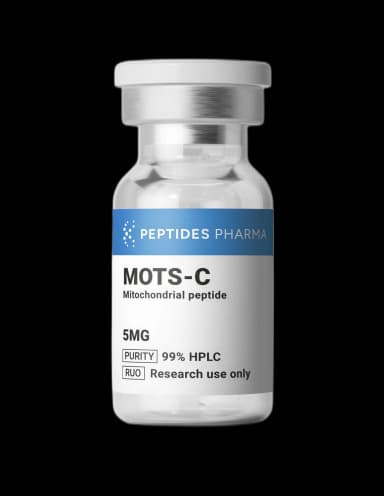
Mitochondrial Open Reading Frame
A mitochondria-derived peptide encoded within the 12S rRNA gene. Research suggests MOTS-C may regulate metabolic homeostasis through AMPK activation and folate-methionine cycle modulation.
Investigadores y profesionales que trabajan en estas áreas
Investigating peptide-mediated neuroprotection, neuroplasticity, and cognitive performance through multiple molecular pathways. The five-compound approach provides tools to study energy metabolism, cytoprotection, neurogenesis, and metabolic resilience simultaneously.
Studying interventions that may counteract age-related cognitive decline at the molecular level. NAD+ depletion, mitochondrial dysfunction, reduced neurotrophic signalling, and telomere attrition are all established contributors to cognitive aging that these peptides address.
Examining compounds with documented neuroprotective mechanisms relevant to Alzheimer's, Parkinson's, and other neurodegenerative conditions. Humanin's amyloid-beta protection and MOTS-C's metabolic neuroprotection are particularly relevant to this field.
Investigating peak cognitive performance through enhanced neuronal energy supply, growth factor signalling, and synaptic plasticity. Sermorelin's neurotrophic effects and NAD+'s bioenergetic support are directly relevant to cognitive performance research in healthy populations.
Why Researchers Choose Peptides Pharma Cognitive Peptides
A five-peptide protocol addressing the major determinants of cognitive function: neuronal energy (NAD+), neuroprotection (Humanin), neural longevity (Epithalon), neurotrophic support (Sermorelin), and metabolic resilience (MOTS-C). Research suggests this multi-pathway approach may produce more meaningful cognitive outcomes than single-target nootropic interventions.
DURACIÓN
12-24 weeks
FRECUENCIA
Daily subcutaneous (NAD+, Humanin, MOTS-C); cyclical (Epithalon, Sermorelin)
PRODUCTS
5 peptides
10 min read
9 min read
7 min read
8 min read
NAD+ (nicotinamide adenine dinucleotide) is essential for mitochondrial energy production in neurons, which are among the most energy-demanding cells in the body. As NAD+ levels decline with age, neuronal energy production falters, contributing to cognitive decline. NAD+ also activates sirtuins — a family of proteins involved in DNA repair, gene silencing, and neuroprotection. Research shows that restoring NAD+ levels can enhance mitochondrial function in brain cells, support synaptic plasticity (the basis of learning and memory), and activate protective pathways against neurodegeneration. Peptides Pharma provides pharmaceutical-grade NAD+ with near 100% bioavailability via subcutaneous delivery.
Humanin is a 24-amino-acid mitochondria-derived peptide (MDP) discovered during research into Alzheimer's disease. It is encoded in the mitochondrial genome and has demonstrated potent neuroprotective, cytoprotective, and anti-apoptotic properties in over 150 published studies. Research shows Humanin protects neurons from amyloid-beta toxicity, oxidative stress, and ischaemic damage. It activates the STAT3 and PI3K/Akt survival pathways, making it one of the most significant endogenous neuroprotective factors identified in contemporary neuroscience research.
Epithalon (Epitalon) is a synthetic tetrapeptide analogue of Epithalamin that activates telomerase — the enzyme responsible for maintaining telomere length. In neural tissue, telomere attrition is associated with cognitive decline and neurodegenerative disease progression. Research indicates Epithalon may support neuronal longevity by preserving telomere integrity, activating antioxidant enzymes in brain tissue, and modulating melatonin production via the pineal gland — which in turn supports circadian rhythms critical for memory consolidation during sleep.
Yes, these five peptides target complementary cognitive pathways and are commonly studied together. NAD+ addresses neuronal bioenergetics and sirtuin activation, Humanin provides direct mitochondrial neuroprotection, Epithalon supports neuronal telomere maintenance and pineal function, Sermorelin stimulates GH release which promotes BDNF and IGF-1 (key neurotrophic factors), and MOTS-C activates AMPK-mediated metabolic neuroprotection. This multi-pathway approach reflects the systems-biology complexity of cognitive function, which depends simultaneously on energy supply, structural integrity, growth factor signalling, and cellular resilience.
NAD+ drives 500+ cell reactions and drops 50% by age 60. Sirtuin pathways, vial vs IV costs, and bioavailability compared. 2026 research guide.
ARTICLETirzepatide, semaglutide, and 3 more metabolic peptides compared. Clinical trial data, dosing, side effects, and UK pricing from €169. Expert ranked.
ARTICLEWrong storage ruins peptides fast. Correct temps, shelf life, travel tips, and the 5 mistakes that destroy potency. Updated 2026 guide.
COMPARISONCompare Epithalon and MOTS-C for anti-aging research. Telomerase activation vs mitochondrial function, mechanisms, protocols, and how to combine them. Buy research-grade peptide vials.
COMPARISONCompare SS-31 (Elamipretide) and MOTS-C for mitochondrial research. Mechanisms, clinical evidence, anti-aging potential, and how to combine them. Buy research-grade peptide vials.
ENCYCLOPEDIADinucleotide Coenzyme / Metabolic Cofactor. Molecular weight: 663.43 Da. Explore mechanism of action, key studies, and research applications.
BUNDLETriple-compound protocol for cellular aging research
PROTOCOLResearch protocol combining Epithalon, MOTS-C, SS-31, and NAD+ lyophilized vials for comprehensive longevity investigation. Explore telomerase activation, mitochondrial restoration, and cellular energy research.
FAQEverything you need to know about peptide vial systems. Learn how pre-mixed research vials work, their advantages over vials, dosing mechanisms, and more.
CATEGORYResearch-grade recovery research vials. BPC-157 and TB-500 for tissue repair, wound healing, and inflammation research. >99% purity, UK delivery.
CATEGORYResearch-grade weight loss research vials. Tirzepatide dual GIP/GLP-1 agonist for metabolic research. Lyophilized vials, >99% purity, worldwide delivery.
Access the most comprehensive cognitive enhancement peptide range available — NAD+, Humanin, Epithalon, Sermorelin, and MOTS-C — targeting five distinct pathways of brain health at >99% research-grade purity.