
How BPC-157 Works
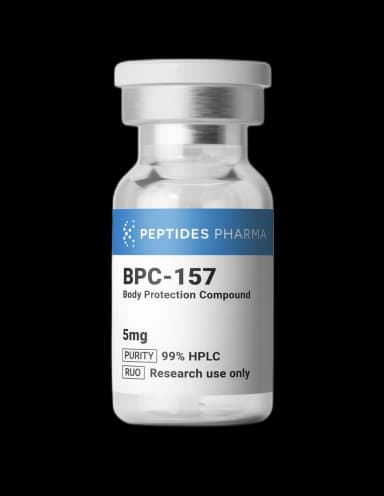
BPC-157 (Body Protection Compound-157) is a synthetic pentadecapeptide derived from human gastric juice proteins. Its mechanism of action involves multiple pathways:
Growth Factor Upregulation: BPC-157 increases expression of VEGF (vascular endothelial growth factor), EGF (epidermal growth factor), and FGF (fibroblast growth factor), all critical for tissue repair.
Nitric Oxide System: The peptide modulates the NO system, promoting vasodilation and improved blood flow to damaged tissues.
FAK-Paxillin Pathway: BPC-157 activates the focal adhesion kinase signalling pathway, essential for cell migration during wound healing.
This multi-pathway approach makes BPC-157 particularly versatile, with research applications spanning gut health, musculoskeletal repair, and neuroprotection.
How TB-500 Works
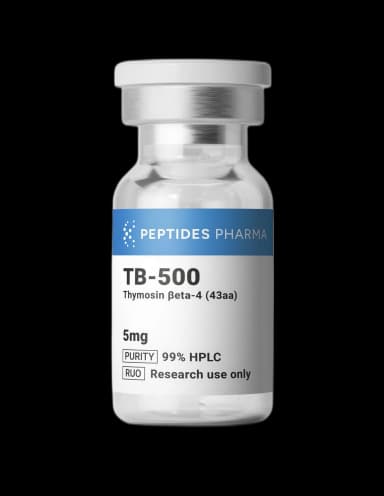
TB-500 is a synthetic fragment of Thymosin Beta-4, a naturally occurring protein involved in tissue repair and regeneration. Its primary mechanisms include:
Actin Regulation: TB-500 binds to actin, the protein that forms the structural framework of cells. This promotes cell migration — allowing repair cells to reach damaged tissue more effectively.
Angiogenesis: TB-500 strongly promotes the formation of new blood vessels, ensuring damaged tissues receive the oxygen and nutrients needed for repair.
Anti-Inflammatory Action: TB-500 modulates inflammatory responses, reducing excessive inflammation that can impede healing while maintaining the beneficial aspects of the inflammatory cascade.
TB-500's strength lies in its ability to fundamentally improve the body's healing infrastructure — making it a powerful complement to peptides that directly stimulate repair mechanisms.
Using BPC-157 and TB-500 Together
The combination of BPC-157 and TB-500 is one of the most popular protocols in peptide research. The rationale is straightforward:
Complementary Mechanisms: BPC-157 stimulates growth factor production and directly promotes repair, while TB-500 ensures repair cells can reach the damage site (via cell migration) and have adequate blood supply (via angiogenesis).
Broader Coverage: BPC-157 excels at soft tissue and gut healing; TB-500 excels at wound healing and cardiovascular repair. Together, they cover virtually all tissue types.
Research Protocol: Many researchers run both peptides concurrently, with daily subcutaneous administration of each for 8-12 weeks. Both are available as lyophilized vials from Peptides Pharma, reconstituted with bacteriostatic water for precise dosing throughout the protocol.
Stack Value: The Recovery Stack bundle offers both compounds at a 10% savings, making comprehensive recovery research more accessible.
Which Should You Choose?
Choose BPC-157 if your primary research focus is: - Gastrointestinal healing and protection - Tendon, ligament, and joint repair - Neuroprotection and nerve regeneration - Broad-spectrum tissue repair with the largest evidence base
Choose TB-500 if your primary research focus is: - Wound healing and scar tissue reduction - Cardiovascular tissue repair - Promoting new blood vessel formation - Flexibility, mobility, and joint health - Hair follicle health research
Choose both if: - You want the most comprehensive recovery protocol available - Your research requires multi-pathway tissue repair - You're studying synergistic effects between complementary peptides - Recovery and healing are the primary endpoints of your research

