
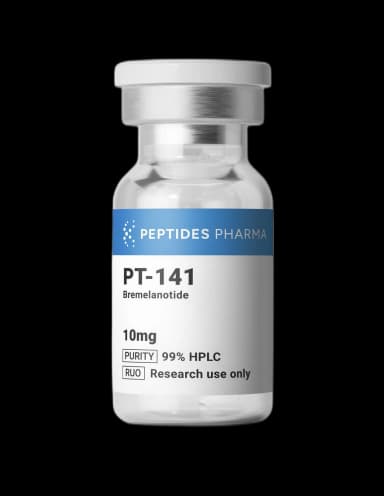
How PT-141 Selectively Targets MC4R
PT-141 (Bremelanotide) is a cyclic heptapeptide that was identified as an active metabolite of Melanotan II. Its development focused on isolating the MC4R-selective sexual function activity from the broader melanocortin effects:
MC4R Selectivity: PT-141 preferentially activates melanocortin-4 receptors located in the hypothalamus and other brain regions involved in sexual arousal and desire. This central mechanism of action distinguishes it from peripherally-acting compounds.
FDA Approval: PT-141 (brand name Vyleesi) received FDA approval in 2019 for hypoactive sexual desire disorder (HSDD) in premenopausal women. Clinical trials (RECONNECT programme) demonstrated statistically significant improvements in sexual desire and reductions in distress.
CNS-Mediated Action: Unlike peripherally-acting compounds, PT-141 works through central nervous system pathways, modulating neural circuits involved in sexual motivation and arousal. This mechanism represents a fundamentally different approach to sexual function research.
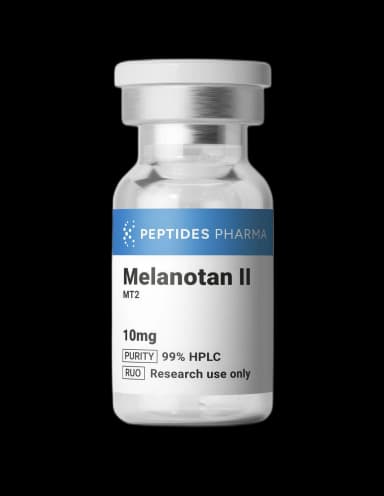
How Melanotan II Activates the Broader Melanocortin System
Melanotan II is a cyclic heptapeptide analogue of alpha-melanocyte stimulating hormone (alpha-MSH) that activates multiple melanocortin receptor subtypes:
MC1R — Melanogenesis: Melanotan II strongly activates MC1R on melanocytes, stimulating eumelanin production (dark pigment). This produces a significant tanning response independent of UV exposure, which has been extensively studied in skin biology research.
MC3R/MC4R — Sexual Function and Appetite: Activation of MC3R and MC4R in the hypothalamus produces both sexual function enhancement and appetite suppression. These central effects are mediated through the same pathways targeted by PT-141, but Melanotan II activates them alongside peripheral melanogenesis.
MC5R — Exocrine Function: Melanotan II activates MC5R, which is involved in exocrine gland regulation and sebaceous gland function. This adds another pharmacological dimension not present with PT-141.
Multi-Target Research Tool: Melanotan II's non-selective profile makes it valuable for studying the melanocortin system as a whole, but complicates attribution of effects to specific receptor subtypes.
Selectivity vs Versatility in Research Design
The choice between PT-141 and Melanotan II reflects a fundamental research design decision:
When selectivity matters: PT-141's MC4R-selective profile allows researchers to study MC4R-mediated pathways (sexual function, specific appetite circuits) without confounding MC1R-mediated melanogenesis or MC5R-mediated exocrine effects. This is critical for mechanistic studies requiring clean attribution.
When broad melanocortin activation is needed: Melanotan II's non-selective profile is advantageous when studying the melanocortin system holistically, investigating receptor crosstalk, or when multiple endpoints (pigmentation, appetite, sexual function) are all relevant to the research question.
Clinical Reference: PT-141's FDA approval provides a clinical reference standard with well-characterised pharmacokinetics, pharmacodynamics, and safety data from Phase 3 trials — valuable for researchers requiring regulatory-grade reference compounds.
Both compounds are available as lyophilized vials from Peptides Pharma, reconstituted with bacteriostatic water for subcutaneous administration.
Which Should You Choose?
Choose PT-141 if your primary research focus is: - MC4R-selective pharmacology and CNS-mediated sexual function - Research requiring an FDA-approved reference compound - Mechanistic studies requiring clean receptor attribution - HSDD and sexual desire pathways - Protocols where melanogenesis is an unwanted confounder
Choose Melanotan II if your primary research focus is: - Melanocortin system biology across multiple receptor subtypes - Melanogenesis, skin pigmentation, and UV-independent tanning research - Multi-endpoint studies (pigmentation + appetite + sexual function) - MC1R pharmacology and melanocyte biology - Appetite regulation involving MC3R/MC4R crosstalk
Choose both if: - You are comparing selective vs non-selective melanocortin receptor activation - Your research involves structure-activity relationships within the melanocortin peptide family - You want to dissect individual receptor contributions to complex melanocortin-mediated phenotypes

