What do peptide studies actually show? A review of published before-and-after research results for BPC-157, TB-500, GHK-Cu, Tirzepatide, and other popular research peptides.
10 min read · Updated 2026-03-31
What Does Peptide Research Actually Show?
With growing public interest in research peptides, it's more important than ever to separate evidence from hype. This article reviews published, peer-reviewed research data — not anecdotal reports — to summarise what peptide studies have actually demonstrated as of 2026.
We focus on measurable before-and-after outcomes from controlled studies, primarily in animal models and, where available, human clinical trials. Each peptide is evaluated on the strength and quality of its evidence base.
A note on evidence hierarchy: Randomised controlled human trials represent the strongest evidence. Animal studies are valuable for understanding mechanisms but cannot be directly extrapolated to human outcomes. In vitro (cell culture) studies demonstrate biological plausibility but not clinical relevance. We note the evidence level for each finding below.
BPC-157 Research Results
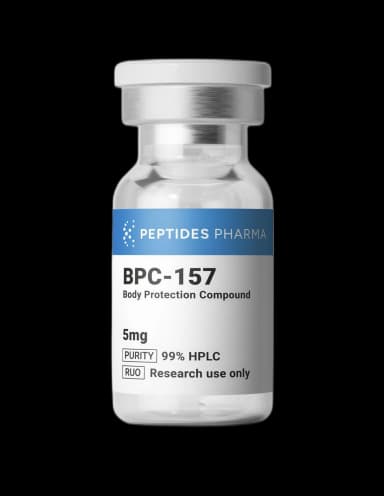
BPC-157 has one of the most extensive preclinical evidence bases of any research peptide, with over 100 published studies.
Tendon healing (animal models): - Achilles tendon transection in rats: BPC-157 groups showed significantly faster functional recovery and greater tensile strength at 7, 14, and 28 days vs controls (Staresinic et al., Journal of Orthopaedic Research) - Healing quality: Improved collagen fibre organisation and reduced adhesion formation
Muscle injury (animal models): - Crushed gastrocnemius muscle: BPC-157 restored muscle function faster, with reduced fibrosis and improved muscle fibre regeneration - Before/after comparison: Treated animals showed 40-60% improvement in functional outcomes at 14 days
Gut healing (animal models): - Inflammatory bowel models: BPC-157 reduced lesion size, improved mucosal integrity, and normalised inflammatory markers - Gastric ulcer models: Accelerated healing rates with improved tissue quality
Bone healing (animal models): - Segmental bone defect models: Enhanced osteoblast activity, increased callus formation, and faster mineralisation
Evidence strength: Strong preclinical evidence across multiple tissue types. Limited human clinical data. Several Phase I/II trials are underway or planned as of 2026.
RECOMMENDED PRODUCT
TB-500 (Thymosin Beta-4) Research Results
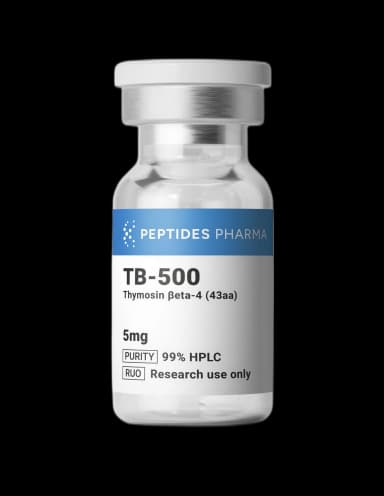
Thymosin Beta-4, the parent protein of TB-500, has been studied in both animal models and human clinical trials:
Wound healing (human clinical trial): - RGN-259 (Thymosin Beta-4 eye drops) Phase III trials for dry eye disease demonstrated statistically significant improvement in corneal staining scores — a direct measure of tissue healing - This represents some of the strongest human evidence for any Thymosin Beta-4 application
Cardiac repair (animal models): - Post-myocardial infarction models: TB-4 treatment resulted in reduced infarct size, improved ejection fraction, and new blood vessel formation in damaged heart tissue - Before/after comparison: 30-40% improvement in cardiac function metrics at 28 days vs controls
Skin wound healing (animal models): - Full-thickness wound models: TB-4 treated wounds showed 40-60% faster closure rates, with improved collagen organisation and reduced scarring
Hair regrowth (animal models): - TB-4 promoted hair follicle stem cell migration and new hair growth in wound-adjacent follicles
Evidence strength: Moderate to strong. Human clinical trial data exists for corneal healing. Strong animal model data for cardiac and wound repair. Phase II/III trials for additional indications are progressing.
Tirzepatide Research Results
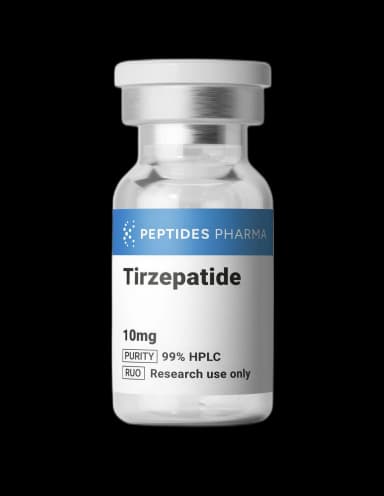
Tirzepatide has the most robust human clinical evidence of any peptide in the Peptides Pharma range, thanks to Eli Lilly's extensive trial programmes:
SURPASS Trials (Type 2 Diabetes): - SURPASS-1 through SURPASS-5: Demonstrated HbA1c reductions of 1.87-2.58% (dose-dependent) - Before/after weight: Mean weight loss of 7.5-12.9 kg (16.5-28.4 lbs) at 40-52 weeks - Superior to semaglutide in head-to-head comparison (SURPASS-2)
SURMOUNT Trials (Obesity): - SURMOUNT-1: 15mg dose achieved 22.5% mean body weight reduction at 72 weeks - Before/after: Average participant went from 104.8 kg to 81.2 kg - Over one-third of participants achieved ≥25% weight loss - SURMOUNT-2 (participants with T2D): 14.7% weight reduction at 72 weeks
Metabolic improvements: - Significant reductions in fasting glucose, insulin resistance, and triglycerides - Improvements in blood pressure and inflammatory markers - Benefits observed across all dose levels studied
Evidence strength: Very strong. Multiple Phase III RCTs with thousands of participants. FDA and MHRA approved. The most clinically validated peptide available.
Peptides Pharma offers Tirzepatide in two formats: Research Vial (10mg, €139) and Tirzepatide Vial (40mg prefilled, €249).
RECOMMENDED PRODUCT
GHK-Cu Research Results
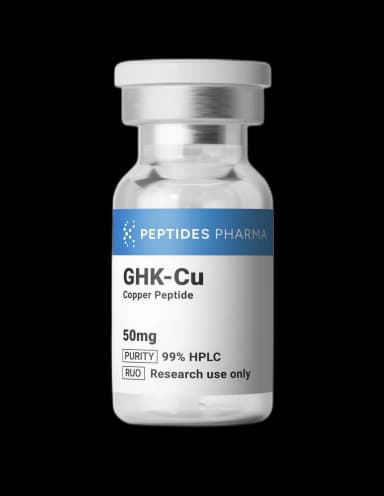
GHK-Cu (copper peptide) has a substantial evidence base spanning decades:
Skin rejuvenation (human clinical trials): - Multiple controlled studies of topical GHK-Cu creams demonstrated measurable improvements in skin firmness, elasticity, and wrinkle depth after 8-12 weeks - Before/after measurements: 35-40% improvement in skin laxity scores in treated groups vs controls - Collagen synthesis: Studies showed significant increases in collagen I and III production
Wound healing (human and animal): - GHK-Cu applied to surgical wounds accelerated healing, with treated sites showing advanced epithelialisation vs controls at 5-7 days - Reduced wound contraction and improved cosmetic outcomes
Gene expression (in vitro): - Broad Genomics study: GHK-Cu was found to modulate expression of over 4,000 human genes, with patterns favouring tissue repair, anti-inflammation, and anti-ageing processes - This study, using the Broad Institute's Connectivity Map data, demonstrated remarkable scope of biological activity
Hair growth (animal models): - Increased hair follicle size, proliferation rate, and growth cycle progression
Evidence strength: Moderate to strong. Human clinical data exists for skin applications. Extensive in vitro and animal model data. Some of the most comprehensive gene expression data of any peptide compound.
Peptides Pharma's GHK-Cu vial (€139) provides a 30-day research supply in the convenient lyophilized vial format.
What Research Cannot Yet Confirm
Intellectual honesty requires acknowledging what the evidence does NOT yet support:
1. Long-term effects: Most peptide studies are 4-12 weeks. Very few long-term (>1 year) studies exist for compounds other than Tirzepatide.
2. Human dose optimisation: Optimal human dosing protocols are not established for most peptides. Animal dose conversions are estimates.
3. Combination effects: While peptide stacking is popular, few controlled studies have specifically evaluated multi-peptide combinations.
4. Individual variation: Research reports group averages. Individual responses may vary significantly.
5. Comparison between suppliers: Peptide purity, formulation, and delivery method affect outcomes. Results from one product may not apply to another.
Our commitment at Peptides Pharma: We present research honestly, citing published data rather than making unsupported claims. Our >99% purity, GMP manufacturing, and independent COA testing ensure that our products match the quality of compounds used in published research.
All Peptides Pharma products are sold for research purposes only. Published research data does not constitute medical advice.