How do research peptides compare to stem cell therapies for tissue healing? An evidence-based analysis of mechanisms, cost, accessibility, and published research outcomes.
9 min read · Updated 2026-03-06
Two Regenerative Approaches: Peptides vs Stem Cells
Regenerative medicine is one of the most exciting frontiers in biomedical research. Two approaches dominate the conversation: bioactive peptides (like BPC-157 and TB-500) and stem cell therapies (including PRP, bone marrow aspirate, and cultured stem cell injections).
Both aim to accelerate tissue healing, but they do so through fundamentally different mechanisms and at vastly different price points. This comparison examines the evidence, practicality, and research potential of each approach.
Disclaimer: This article reviews published research. Peptides Pharma products are sold for research purposes only. Stem cell therapies should be administered by qualified medical professionals. This is not medical advice.
How Stem Cell Therapy Works
Stem cell therapies introduce undifferentiated cells with the potential to develop into specialised tissue types:
Common stem cell approaches:
*Platelet-Rich Plasma (PRP)*: Patient's own blood is centrifuged to concentrate platelets and growth factors. Technically not stem cells, but often grouped with regenerative therapies. Cost: €300-€800 per treatment in the UK.
*Bone Marrow Aspirate Concentrate (BMAC)*: Stem cells harvested from the patient's bone marrow (usually iliac crest), concentrated, and injected into the injury site. Cost: €2,000-€5,000 per treatment.
*Adipose-Derived Stem Cells*: Stem cells extracted from fat tissue via liposuction, processed, and re-injected. Cost: €3,000-€8,000 per treatment.
*Cultured Mesenchymal Stem Cells*: Laboratory-expanded stem cells, either autologous (patient's own) or allogeneic (donor). Most expensive and most regulated. Cost: €5,000-€15,000+ per treatment.
Mechanism: Stem cells work by differentiating into needed tissue types, secreting growth factors and cytokines (paracrine effects), and modulating the immune response at the injury site.
RECOMMENDED PRODUCT
How Peptides Work for Healing
Research peptides take a different approach — rather than introducing new cells, they activate the body's existing repair machinery:
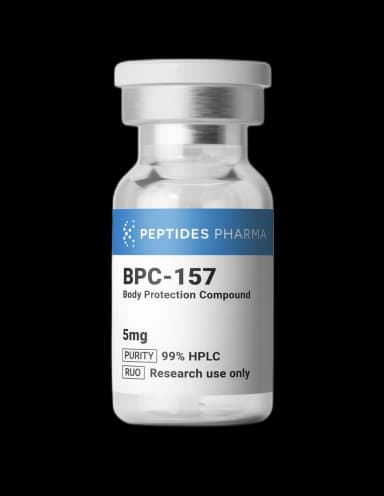
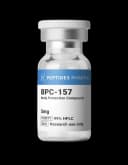
BPC-157 mechanism: - Upregulates endogenous growth factors (VEGF, FGF, EGF) - Activates FAK-paxillin pathway (directs cell migration) - Modulates nitric oxide system (improves blood flow) - Promotes organised tissue repair across multiple tissue types - Cost: €119 per 30-day supply (Peptides Pharma)
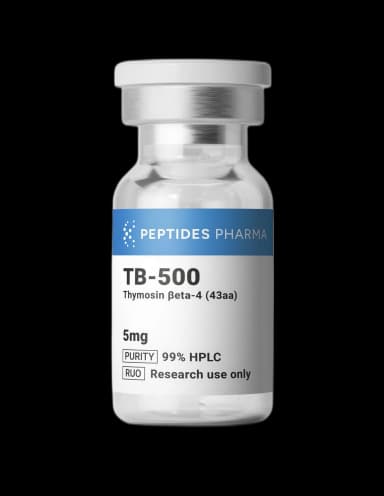
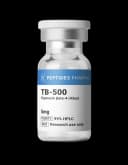
TB-500 mechanism: - Promotes actin polymerisation (cellular structural reorganisation) - Drives cell migration to injury sites - Stimulates angiogenesis (new blood vessel formation) - Anti-fibrotic effects (reduces scar tissue) - Cost: €119 per 30-day supply (Peptides Pharma)
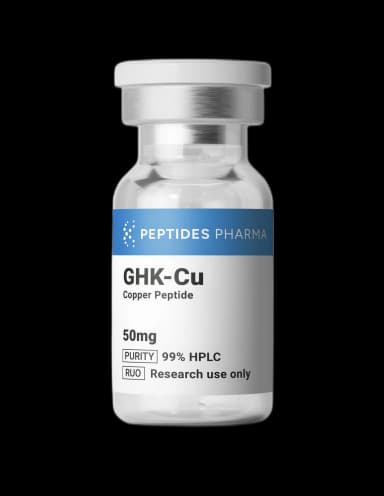
GHK-Cu mechanism: - Modulates 4,000+ genes toward repair-favourable expression - Stimulates collagen and elastin synthesis - Recruits immune cells to wound sites - Cost: €139 per 30-day supply (Peptides Pharma)
Key difference: Peptides are signalling molecules — they don't replace cells but rather optimise and accelerate the body's endogenous repair processes.
Evidence Comparison
Stem cell therapy evidence: - PRP: Moderate evidence for tendon, muscle, and joint conditions. Cochrane reviews show mixed results, with some indications stronger than others. - BMAC: Growing evidence for bone healing and cartilage repair. Limited large-scale RCTs. - Adipose-derived: Early-stage clinical evidence. Regulatory restrictions limit research in the UK. - Cultured MSCs: Promising Phase I/II data for various applications. Very limited Phase III data.
Peptide evidence: - BPC-157: 100+ preclinical studies showing consistent tissue repair across tendon, muscle, gut, bone. Limited human clinical data. - TB-500: Phase III data for corneal healing (RGN-259). Strong animal data for cardiac and wound repair. - GHK-Cu: Human clinical data for skin rejuvenation. Extensive gene expression research.
Honest assessment: Neither approach has overwhelming Phase III clinical trial data for most musculoskeletal indications. Stem cell therapy has more active clinical trials but also more variable outcomes. Peptides have more consistent preclinical data but less human clinical validation.
Both fields are developing rapidly, and the evidence base for each will likely strengthen significantly by 2028-2030.
RECOMMENDED PRODUCT
Cost, Accessibility, and Practicality
This is where the comparison becomes most stark:
Cost comparison (30-day protocol): - PRP treatment: €300-€800 (single session, may need repeating) - BMAC treatment: €2,000-€5,000 (single session) - Cultured stem cells: €5,000-€15,000+ (single session) - Peptides Pharma BPC-157 vial: €119 (30 daily doses) - Peptides Pharma TB-500 vial: €119 (30 daily doses) - Peptides Pharma BPC-157 + TB-500: €238 (30 days dual protocol)
Accessibility: - Stem cell therapy: Requires clinic visit, medical professional, invasive harvest procedure (for autologous), limited availability - Peptide vials: Delivered to your door, self-administered, no clinic visit required, available to all UK researchers
Protocol flexibility: - Stem cells: Typically single or limited-session treatments. Difficult to repeat frequently. - Peptides: Daily administration over extended protocols (30+ days). Easy to adjust, extend, or modify.
Combination potential: Emerging research explores using peptides alongside stem cell treatments — BPC-157's growth factor upregulation and TB-500's cell migration promotion could theoretically enhance stem cell engraftment and survival. This is an exciting but early research area.
For researchers seeking accessible, cost-effective healing research tools, research vials offer a practical entry point that complements rather than replaces regenerative medicine approaches.