A comprehensive guide to UK peptide regulations in 2026. Legal status, MHRA oversight, purchasing requirements, import considerations, and what's changing.
8 min read · Updated 2026-03-31
UK Peptide Regulation Overview: 2026
The legal status of research peptides in the UK continues to be a common source of confusion. This guide provides a clear, up-to-date overview of the regulatory landscape as of March 2026.
The core principle: Research peptides are legal to purchase, possess, and sell in the UK for research purposes. They are not controlled substances. However, they cannot be sold as medicines, marketed with therapeutic claims, or supplied for self-administration as treatments.
This regulatory framework has been stable for several years but is subject to ongoing review, particularly as public interest in peptides grows and the pharmaceutical landscape evolves.
All Peptides Pharma products are sold in strict compliance with UK regulations, labelled for research use only.
Key Legislation Affecting Peptides
Several pieces of legislation are relevant to peptide regulation in the UK:
Misuse of Drugs Act 1971 Most research peptides are NOT scheduled under this Act. This means they are not controlled substances and their purchase, possession, and supply is not restricted under drug control laws.
*Exceptions*: Some peptide hormones (e.g., growth hormone itself, certain anabolic peptides) may fall under Schedule 4 of the Misuse of Drugs Regulations 2001. Always verify the specific status of any compound.
Psychoactive Substances Act 2016 This Act bans the production and supply of substances that produce psychoactive effects. Most research peptides do not fall under this Act as they do not primarily produce psychoactive effects.
Human Medicines Regulations 2012 This is the most relevant legislation for peptide suppliers. Under these regulations: - Peptides cannot be sold as medicines unless they have MHRA marketing authorisation - Suppliers cannot make therapeutic claims ("treats X", "cures Y") - Products must be clearly labelled as not for human consumption or medical use - Research-use-only labelling is the industry standard for compliance
Consumer Protection Regulations General consumer protection laws apply to peptide sales, including requirements for accurate product descriptions, clear pricing, and fair trading practices.
RECOMMENDED PRODUCT
What Researchers Can and Cannot Do
Legal for researchers: - Purchase research peptides from UK suppliers - Possess research peptides for legitimate research purposes - Store and transport peptides (no special licence required for most compounds) - Import peptides from overseas (subject to customs considerations) - Conduct laboratory research, academic study, or scientific investigation
Regulatory grey areas: - Personal research use (technically permitted but increasingly scrutinised) - Purchasing large quantities (may attract attention if inconsistent with research purposes) - Sharing peptides with colleagues (supply regulations may apply)
Not permitted: - Selling peptides as medicines or supplements for human consumption - Making therapeutic claims about research peptides - Administering peptides to others as medical treatment (without appropriate medical qualification) - Importing controlled peptide hormones without proper authorisation
Best practice: Document your research purposes, maintain records of purchases and protocols, and purchase from suppliers (like Peptides Pharma) that maintain clear research-use-only policies.
MHRA Oversight and Enforcement
The Medicines and Healthcare products Regulatory Agency (MHRA) is the primary regulator relevant to peptide supply:
Current MHRA position: - Research peptides are monitored but not specifically targeted for enforcement when sold for research purposes - Enforcement action focuses on suppliers making medical claims or selling peptides as medicines - The MHRA has increased monitoring of online peptide sales since 2024 - Suppliers have been warned and, in some cases, shut down for marketing peptides as treatments
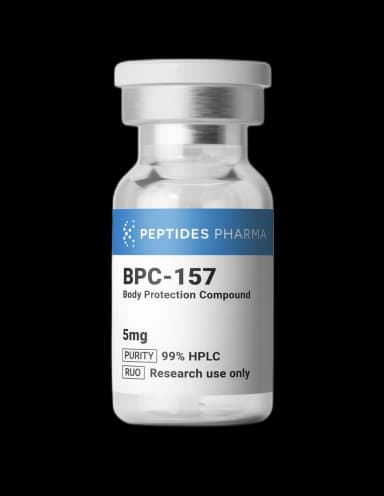
What triggers MHRA enforcement: 1. Making therapeutic claims ("BPC-157 heals injuries", "Tirzepatide for weight loss") 2. Marketing peptides as medicines or supplements for human use 3. Providing dosing instructions framed as medical advice 4. Selling peptides alongside medical devices (syringes, needles) as a treatment kit 5. Operating without proper business registrations
Peptides Pharma's compliance approach: - All products labelled 'For Research Use Only' - No therapeutic claims in marketing materials - Published research data cited honestly, not as medical advice - Full business registration and regulatory compliance - Cooperation with MHRA information requests
RECOMMENDED PRODUCT
Import and Customs Regulations
Researchers importing peptides from overseas face additional regulatory considerations:
Customs classification: Peptides are typically classified under Harmonised System codes for chemical compounds or pharmaceutical intermediates. Proper customs declaration is required.
Potential import issues: - Customs delays (days to weeks for international shipments) - Import duties and VAT (20%) may apply - Customs may request documentation (COA, intended use declaration) - Products without proper labelling may be seized for inspection - Counterfeit or low-quality products may be intercepted
Post-Brexit considerations: - EU-sourced peptides now require customs clearance (previously free movement) - Additional paperwork and potential delays for EU imports - UK-specific regulations may diverge from EU peptide framework
Advantages of UK-based suppliers: Purchasing from Peptides Pharma (UK/EU-based supply chain) eliminates import delays, customs duties, and seizure risks. All Peptides Pharma shipments include proper documentation and comply with UK shipping regulations.
worldwide delivery with temperature-controlled packaging ensures product integrity — versus international shipments that may spend days in transit at uncontrolled temperatures.
Regulatory Outlook: What's Coming
Several regulatory developments are worth monitoring in 2026 and beyond:
Potential changes:
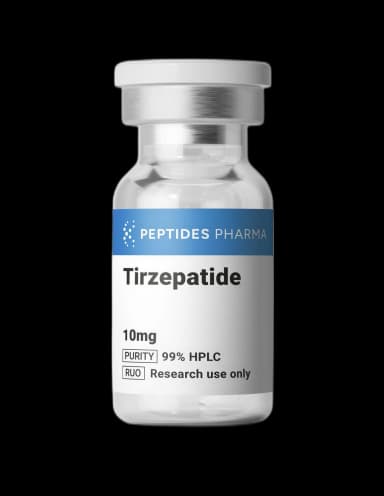
*GLP-1 agonist reclassification*: As Tirzepatide and Semaglutide become more mainstream, there is regulatory pressure to tighten control of research-grade versions. This could result in prescription-only classification for specific GLP-1 compounds.
*Quality standards framework*: Industry discussions are underway regarding voluntary or mandatory quality standards for research peptide suppliers — including minimum purity requirements, COA standards, and manufacturing certifications.
*Online sales oversight*: The MHRA is developing stronger oversight mechanisms for online peptide sales, including marketplace monitoring and enforcement against non-compliant advertising.
*EU regulatory divergence*: Post-Brexit, the UK may adopt different regulatory positions on specific peptide compounds, creating a unique UK regulatory environment.
What researchers should do: 1. Stay informed about regulatory developments (MHRA publications, industry news) 2. Purchase from compliant UK suppliers with clear research-use policies 3. Maintain documentation of research purposes and protocols 4. Verify product quality through independent COA verification 5. Avoid suppliers making therapeutic claims (these face higher enforcement risk)
Peptides Pharma actively monitors regulatory developments and maintains compliance with all current UK regulations. We will communicate any changes that affect our product availability or shipping to UK researchers.