Which healing peptide works fastest? A research-based comparison of BPC-157, TB-500, and GHK-Cu — their mechanisms, target tissues, and published timeline data.
9 min read · Updated 2026-03-06
Comparing Healing Peptides: Speed and Mechanism
Not all healing peptides are created equal. BPC-157, TB-500, and GHK-Cu each target different aspects of tissue repair through distinct mechanisms, and published research suggests different timelines for observable effects.
This guide compares these three peptides head-to-head, examining the research evidence for healing speed, tissue specificity, and optimal applications. Understanding these differences helps researchers select the most appropriate compound — or combination — for their specific research model.
All comparisons below are based on published preclinical and, where available, clinical research data.
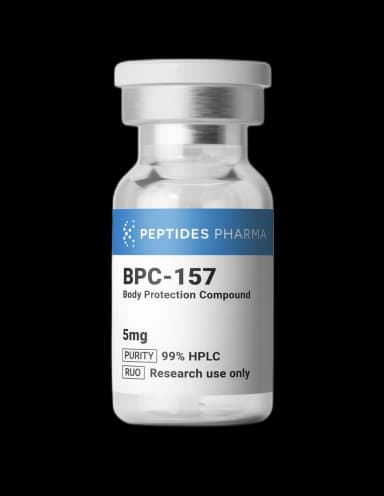
BPC-157: The Multi-Tissue Repair Peptide
Primary mechanism: Growth factor upregulation (VEGF, FGF, EGF) and FAK-paxillin pathway activation
Target tissues: Tendon, ligament, muscle, bone, gut, skin, nerve
Research timeline data: - Tendon healing: Significant improvement observed at 7 days in rat Achilles tendon models, with progressive gains through 28 days - Muscle healing: Functional recovery improvements detectable at 7-14 days in transected muscle models - Gut healing: Mucosal healing improvements observed within 3-5 days in ulcer models - Bone healing: Enhanced callus formation detectable at 14 days, significant by 28 days
Speed profile: BPC-157 shows relatively rapid onset in soft tissue models, with some of the earliest measurable improvements appearing at 3-7 days in published studies. Its broad tissue applicability makes it the most versatile healing peptide.
Peptides Pharma availability: BPC-157 Research Vial, €119, 30-day supply
RECOMMENDED PRODUCT
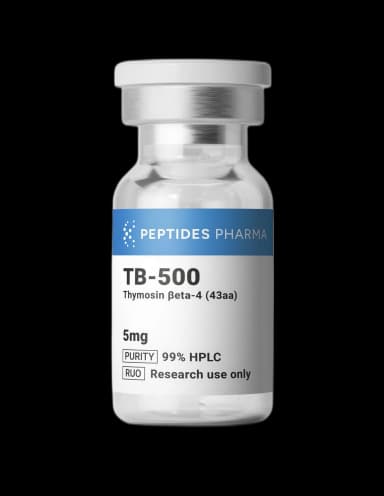
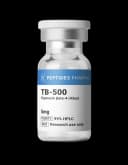
TB-500: The Structural Repair Peptide
Primary mechanism: Actin polymerisation, cell migration, angiogenesis, anti-fibrotic activity
Target tissues: Cardiac, skin, cornea, muscle, tendon, hair follicle
Research timeline data: - Skin wound healing: 40-60% faster wound closure rates, with significant differences from controls by day 5-7 - Cardiac repair: Functional improvements (ejection fraction) measurable at 14-28 days post-injury - Corneal healing: Accelerated epithelial closure observed within 48-72 hours in corneal wound models - Hair follicle activation: Stem cell migration and growth cycle changes observed at 7-14 days
Speed profile: TB-500 shows particularly fast onset in wound closure models, with some of the most rapid effects seen in corneal and skin healing (48-72 hours). Its anti-fibrotic properties — reducing scar tissue — become more apparent over 2-4 weeks.
Peptides Pharma availability: TB-500 Research Vial, €119, 30-day supply
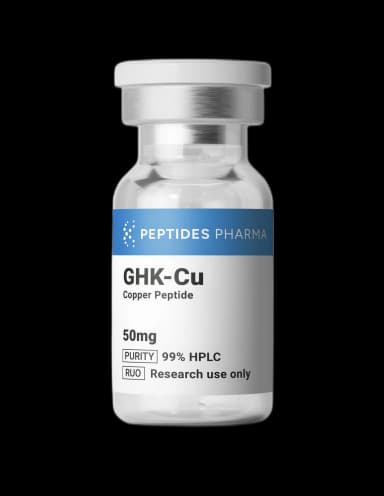
GHK-Cu: The Regenerative Remodelling Peptide
Primary mechanism: Gene expression modulation (4,000+ genes), collagen synthesis, immune cell recruitment
Target tissues: Skin, hair, wound sites, connective tissue
Research timeline data: - Skin rejuvenation: Measurable improvements in firmness and elasticity at 4-8 weeks in human clinical studies - Wound healing: Enhanced epithelialisation visible at 5-7 days in treated wounds vs controls - Collagen synthesis: Increased Type I and III collagen production detectable at 7-14 days in cell culture studies - Gene expression changes: Broad genomic modulation detectable within 24-48 hours in vitro
Speed profile: GHK-Cu operates on a longer timeline than BPC-157 or TB-500 for visible tissue changes, as its primary mode of action involves gene expression reprogramming and structural protein synthesis. However, its cellular-level effects begin rapidly (hours), and its remodelling outcomes are often more cosmetically elegant (less scarring, better tissue quality).
Peptides Pharma availability: GHK-Cu Research Vial, €139, 30-day supply
RECOMMENDED PRODUCT
Head-to-Head Comparison Table
| Feature | BPC-157 | TB-500 | GHK-Cu | |---------|---------|--------|--------| | Earliest visible effects | 3-7 days | 2-5 days (wounds) | 5-14 days | | Optimal protocol length | 2-4 weeks | 2-4 weeks | 4-8 weeks | | Best for tendons/ligaments | Excellent | Good | Limited data | | Best for wound closure | Good | Excellent | Good | | Best for muscle repair | Excellent | Good | Limited data | | Best for skin quality | Good | Good | Excellent | | Best for scar reduction | Moderate | Excellent | Good | | Best for collagen synthesis | Moderate | Moderate | Excellent | | Anti-inflammatory | Strong | Moderate | Moderate | | Angiogenesis | Strong | Excellent | Moderate | | Gene expression scope | Moderate | Moderate | Extensive (4,000+ genes) | | Human clinical data | Limited | Moderate (corneal) | Good (topical skin) | | Peptides Pharma price | €119 | €119 | €139 |
Fastest overall onset: TB-500 for wound closure (48-72 hours in corneal models) Broadest tissue coverage: BPC-157 (tendon, muscle, gut, bone, nerve, skin) Best tissue remodelling quality: GHK-Cu (collagen synthesis, gene regulation)
Optimal Combinations for Accelerated Research
Researchers often combine healing peptides to target multiple repair mechanisms simultaneously:
For acute tissue injury research: BPC-157 + TB-500 This combination provides growth factor signalling (BPC-157) plus cellular infrastructure building (TB-500). Research suggests synergistic effects when both pathways are activated simultaneously. Peptides Pharma combined cost: €238 for 60 days of dual-peptide research.
For skin and cosmetic healing research: GHK-Cu + TB-500 GHK-Cu's collagen synthesis and gene modulation combined with TB-500's wound closure and anti-fibrotic properties targets both the speed and quality of dermal healing.
For comprehensive recovery protocols: BPC-157 + TB-500 + GHK-Cu The triple combination addresses repair signalling, structural rebuilding, and tissue remodelling quality. Research protocols typically run 4-6 weeks for this combination.
Supporting compounds: Adding Glutathione (€99) for antioxidant protection or NAD+ (€189/€299) for cellular energy can further support comprehensive research protocols.
All Peptides Pharma research vials use 30-day dosing cycles, making multi-peptide protocol coordination straightforward.