
How GHK-Cu Promotes Tissue Remodelling
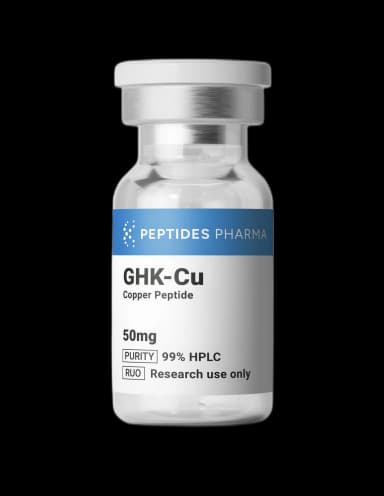
GHK-Cu (glycyl-L-histidyl-L-lysine copper complex) is a naturally occurring tripeptide-copper complex first identified in human plasma by Loren Pickart in 1973. Its tissue repair mechanisms are multifaceted:
Copper Delivery: GHK-Cu delivers bioavailable copper to tissues, activating copper-dependent enzymes including lysyl oxidase (collagen cross-linking), superoxide dismutase (antioxidant defence), and cytochrome c oxidase (mitochondrial function).
Extracellular Matrix Remodelling: Research demonstrates GHK-Cu stimulates synthesis of collagen types I and III, elastin, glycosaminoglycans, and decorin — the structural components of connective tissue. It simultaneously activates matrix metalloproteinases for controlled remodelling of damaged tissue.
Gene Expression: Studies suggest GHK-Cu modulates expression of over 4,000 genes, resetting many age-altered gene expression patterns toward a younger profile. This broad genomic effect underlies its regenerative properties across multiple tissue types.
How KPV Suppresses Inflammatory Damage
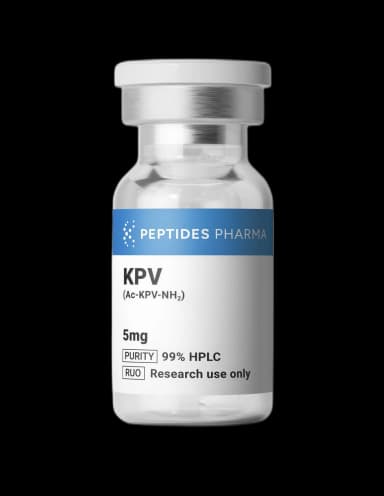
KPV (Lys-Pro-Val) is a C-terminal tripeptide fragment of alpha-melanocyte stimulating hormone (alpha-MSH). Despite its small size, research indicates it retains the potent anti-inflammatory activity of the parent hormone:
NF-κB Suppression: KPV directly inhibits nuclear factor kappa-B (NF-κB), the master transcription factor driving inflammatory gene expression. This reduces production of TNF-α, IL-6, IL-1β, and other pro-inflammatory cytokines.
Intestinal Anti-Inflammatory Effects: Studies in inflammatory bowel disease models demonstrate KPV reduces colonic inflammation, protects epithelial barrier integrity, and accelerates mucosal healing. It can be administered systemically or locally.
Immune Modulation: KPV modulates immune cell activity without broad immunosuppression, making it a targeted anti-inflammatory agent. Research suggests it shifts the immune response from pro-inflammatory to restorative, facilitating tissue repair by removing the inflammatory obstacle to healing.
Complementary Approaches to Tissue Repair
GHK-Cu and KPV represent two essential phases of tissue repair:
KPV addresses the inflammatory phase: By suppressing NF-κB and reducing pro-inflammatory cytokines, KPV helps resolve the acute inflammation that, when prolonged, causes secondary tissue damage and impedes healing.
GHK-Cu addresses the remodelling phase: By activating collagen synthesis, angiogenesis, and extracellular matrix remodelling, GHK-Cu provides the structural rebuilding necessary for functional tissue restoration.
Researchers studying comprehensive tissue repair protocols may investigate both compounds, as they target sequential and complementary phases of the healing cascade. Both are available as lyophilized vials from Peptides Pharma, reconstituted with bacteriostatic water for research use.
Which Should You Choose?
Choose GHK-Cu if your primary research focus is: - Wound healing and tissue regeneration - Collagen synthesis and extracellular matrix biology - Skin aging, dermal repair, and cosmetic science - Gene expression modulation and epigenetic reprogramming - Copper-dependent enzyme research
Choose KPV if your primary research focus is: - Inflammatory bowel disease and gut mucosal healing - NF-κB-driven inflammatory pathways - Skin inflammation and dermatitis models - Anti-inflammatory intervention without immunosuppression - Melanocortin system biology
Choose both if: - Your research requires addressing both inflammation and structural repair - You are studying multi-phase tissue healing protocols - Comprehensive wound healing from inflammation resolution to matrix remodelling is your endpoint - You want to investigate synergistic effects between anti-inflammatory and regenerative peptides

