An in-depth look at peptide research relevant to athletic performance, sports recovery, and exercise science in the UK.
11 min read · Updated 2026-03-06
Peptides in Sports Science Research
Peptides have become a major focus in sports science research, particularly for their potential roles in tissue repair, recovery acceleration, and performance optimisation. UK sports science programmes at universities across the country are actively researching peptide applications.
This guide covers the most relevant peptides for athletic recovery research, their mechanisms of action, and how they are being studied in the context of sports science.
Important note: Peptides Pharma products are sold for research purposes only. Specific peptides may be prohibited by sporting organisations (WADA, UKAD). Always check current anti-doping regulations.
BPC-157: The Recovery Peptide
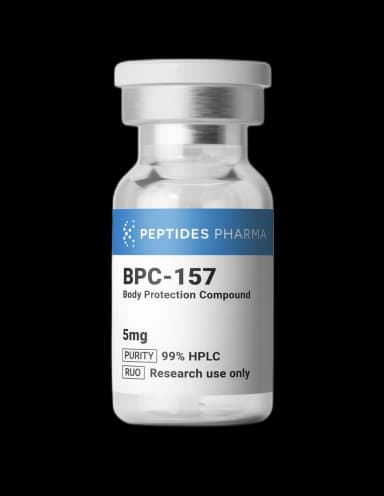
BPC-157 (Body Protection Compound-157) is the most widely researched peptide in the context of sports injury recovery. Key research findings include:
Tendon repair: Multiple animal studies demonstrate accelerated tendon healing, with increased collagen deposition and improved tensile strength after injury.
Muscle healing: BPC-157 has been shown to promote muscle fibre regeneration and reduce fibrosis (scar tissue formation) in injured muscle tissue.
Ligament recovery: Research in rat models shows faster ACL healing with improved ligament structure and strength.
Anti-inflammatory action: BPC-157 modulates inflammatory cytokines, potentially reducing excessive inflammation that can delay recovery.
Gut protection: The 'gut-brain axis' connection is increasingly relevant in sports science. BPC-157, derived from gastric juice proteins, has cytoprotective effects on the GI tract.
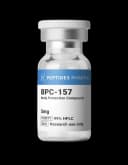
Peptides Pharma's BPC-157 vial (€119, 10mg, 30-day precision dosing) is the most popular recovery peptide in the UK research market.
RECOMMENDED PRODUCT
TB-500: Tissue Repair Specialist
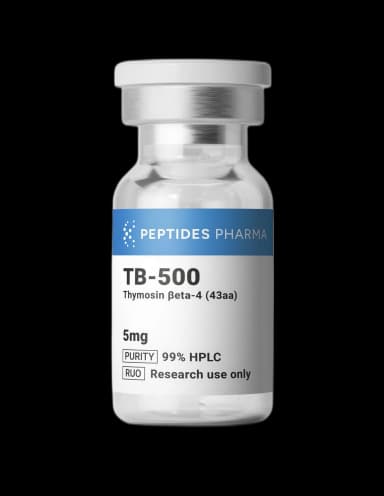
TB-500 (Thymosin Beta-4 fragment) is the second most popular recovery peptide in sports science research:
Wound healing: TB-500 promotes cell migration and blood vessel formation (angiogenesis), accelerating the healing process from the inside out.
Cardiac repair: Research shows TB-500 can support cardiac tissue repair following injury — relevant for exercise-induced cardiac stress research.
Inflammation reduction: By downregulating pro-inflammatory cytokines, TB-500 helps modulate the inflammatory response that follows intense exercise or injury.
Flexibility and mobility: Animal studies suggest TB-500 can reduce fibrosis and improve tissue elasticity, relevant to range of motion and injury prevention research.
Synergy with BPC-157: BPC-157 and TB-500 work through complementary mechanisms. BPC-157 promotes growth factor expression while TB-500 enhances cell migration. Many researchers study both compounds together.
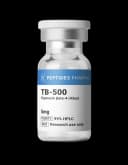
Peptides Pharma's TB-500 vial (€119, 15mg, 30-day precision dosing) delivers one of the highest dosages available in a single vial.
Growth Hormone Peptides: CJC-1295 & Ipamorelin
Growth hormone (GH) plays a critical role in recovery, muscle protein synthesis, and body composition — all relevant to sports science:
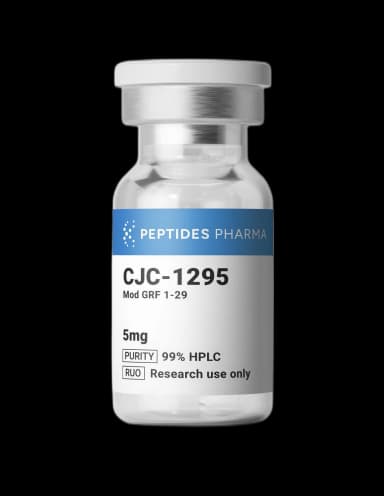
CJC-1295 — A GHRH analogue that provides sustained growth hormone elevation. Research shows it increases GH and IGF-1 levels for extended periods, supporting recovery between training sessions.
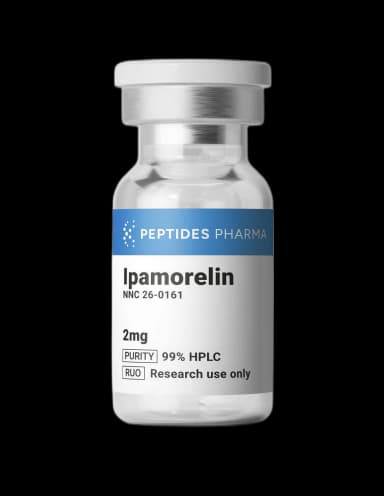
Ipamorelin — A highly selective GH secretagogue that stimulates sharp GH pulses without affecting cortisol, prolactin, or ACTH. This selectivity is important in sports research where hormonal balance matters.
Combined protocols — CJC-1295 + Ipamorelin is the most popular GH peptide stack in UK research. The two peptides activate different receptors (GHRH receptor and GHS receptor), producing synergistic GH release estimated at 3-5x greater than either alone.
Sleep quality — Both peptides promote deep slow-wave sleep, during which the body performs most of its repair and recovery. Sleep quality is increasingly recognised as a key factor in athletic recovery.
Peptides Pharma offers both CJC-1295 (€109) and Ipamorelin (€109) in 30-day precision vial format.
RECOMMENDED PRODUCT
UK Sports Research Institutions Studying Peptides
Several UK institutions are conducting peptide-related sports science research:
- Loughborough University — Leading sports science department with active injury recovery research - University of Bath — Sport and exercise science programmes investigating recovery optimisation - Liverpool John Moores University — Known for applied sports science and performance research - University of Birmingham — School of Sport with musculoskeletal research programmes - University of Exeter — Exercise physiology and muscle research
The UK sports science research community continues to grow, with peptides becoming an increasingly important area of study for recovery, performance, and injury prevention applications.
Peptides Pharma supports the research community with pharmaceutical-grade research vials, comprehensive COA documentation, and wholesale pricing for academic institutions.