
Are Peptides Legal in the UK? Complete 2026 Guide
8 min read
Chronic inflammation underlies many degenerative conditions. Peptides Pharma's anti-inflammatory peptide range brings together BPC-157 and TB-500 — with their well-documented ability to modulate inflammatory cascades — alongside Glutathione, which neutralises the oxidative stress that perpetuates inflammatory cycles.
Gotowe do użycia, wstępnie zmieszane systemy dostarczania peptydów badawczych klasy premium
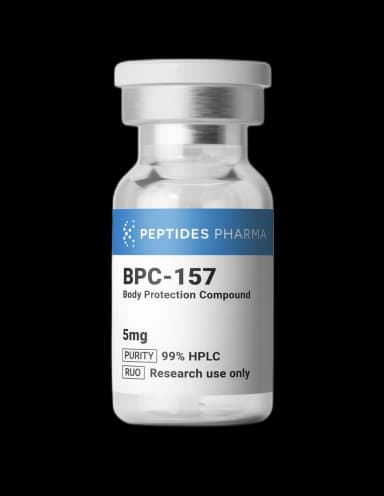
Body Protection Compound-15
A pentadecapeptide widely studied in tissue regeneration and gastrointestinal research. Research suggests BPC-157 may modulate nitric oxide pathways and growth factor expression including VEGF and EGF.
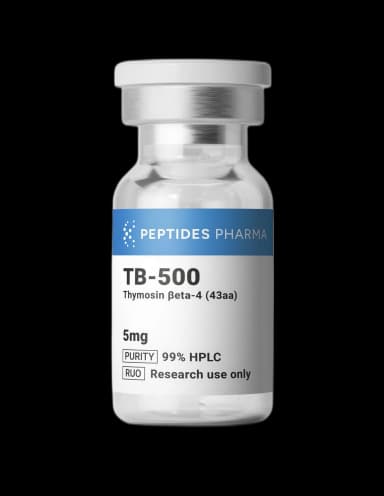
Thymosin Beta-4 Fragment
A fragment of Thymosin Beta-4 studied for its role in cell migration and actin regulation. Research suggests TB-500 may promote angiogenesis and modulate inflammatory and wound repair pathways.
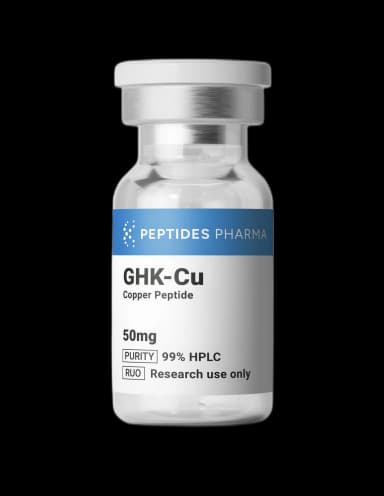
Copper Peptide
A copper-binding tripeptide investigated for its role in tissue remodelling, collagen synthesis, and gene expression modulation. Studies suggest GHK-Cu may activate regenerative processes through copper-mediated signalling.
NSAIDs (non-steroidal anti-inflammatory drugs) work by blocking COX enzymes, which reduces prostaglandin production but also impairs the healing process and carries significant side effects including gastric ulceration and cardiovascular risk. BPC-157 and TB-500 operate through fundamentally different mechanisms — they modulate inflammatory signalling pathways (including NF-kB and cytokine expression) while simultaneously promoting tissue repair. BPC-157 actually protects the gastric mucosa rather than damaging it. This represents a paradigm shift in inflammation research: instead of simply suppressing the inflammatory response, these peptides aim to resolve it while accelerating the underlying healing process.
Oxidative stress and chronic inflammation form a self-perpetuating cycle. Inflammatory cells generate reactive oxygen species (ROS) as part of the immune response. When inflammation becomes chronic, excessive ROS damages surrounding tissue, which triggers further inflammation, creating a destructive feedback loop. Glutathione breaks this cycle by neutralising ROS and supporting the resolution phase of inflammation. As the body's most abundant intracellular antioxidant, Glutathione directly scavenges free radicals, regenerates other antioxidants like vitamins C and E, and supports immune cell regulation. Peptides Pharma's vial-delivered Glutathione provides maximum bioavailability to address systemic oxidative burden.
BPC-157 is uniquely suited for gut inflammation research because it is derived from a protein naturally found in human gastric juice. Published studies in animal models demonstrate its efficacy in inflammatory bowel disease, gastric ulcers, NSAID-induced intestinal damage, and oesophageal inflammation. Its mechanisms include promoting mucosal blood flow via nitric oxide pathways, stimulating growth factor expression for epithelial repair, and modulating inflammatory cytokines in the GI microenvironment. Unlike many anti-inflammatory compounds that can damage the gut lining, BPC-157 actively protects and repairs it.
TB-500 (Thymosin Beta-4 fragment) adds a unique dimension to anti-inflammatory research. While BPC-157 focuses on promoting tissue repair and angiogenesis at inflammation sites, TB-500 specifically promotes the migration of anti-inflammatory and reparative cells into damaged tissue by upregulating actin polymerisation. TB-500 also directly modulates NF-kB signalling — the master transcription factor controlling inflammatory gene expression — and reduces the production of pro-inflammatory cytokines like IL-1beta and TNF-alpha. This complementary mechanism means that BPC-157 creates the conditions for healing while TB-500 actively recruits the cellular machinery to execute it.
Legal under MHRA rules. BPC-157, tirzepatide & NAD+ vials with worldwide delivery from £99. >99% purity, GMP certified, COA included.
ARTICLEPens cut dosing error from 15% to under 2%. We compare accuracy, contamination risk, cost, and convenience. See why researchers are switching in 2026.
ARTICLEOver 100 published studies back BPC-157 for tissue repair, gut healing, and neuroprotection. Mechanisms, dosing protocols, and where to buy in the UK.
COMPARISONCompare BPC-157 and TB-500 for recovery research. Mechanisms, benefits, dosing, and when to use each peptide vial. Buy research-grade peptides.
COMPARISONCompare GHK-Cu and KPV for tissue repair research. Copper peptide remodelling vs anti-inflammatory signalling. Buy >99% purity research-grade peptide vials.
ENCYCLOPEDIAGastric Pentadecapeptide. Molecular weight: 1419.53 Da. Explore mechanism of action, key studies, and research applications.
BUNDLEThe most studied peptide duo in tissue regeneration research
PROTOCOLResearch protocol combining BPC-157 and TB-500 lyophilized vials for accelerated tissue recovery. Explore synergistic healing mechanisms, dosing schedules, and published study findings.
FAQEverything you need to know about peptide vial systems. Learn how pre-mixed research vials work, their advantages over vials, dosing mechanisms, and more.
CATEGORYResearch-grade recovery research vials. BPC-157 and TB-500 for tissue repair, wound healing, and inflammation research. >99% purity, UK delivery.
CATEGORYResearch-grade weight loss research vials. Tirzepatide dual GIP/GLP-1 agonist for metabolic research. Lyophilized vials, >99% purity, worldwide delivery.
Wstępnie zmieszane długopisy peptydowe klasy premium. Produkcja GMP, gwarantowana czystość >99%. Dostawa następnego dnia w Wielkiej Brytanii.