Everything you need to know about storing peptides correctly. Temperature requirements, shelf life maximisation, travel guidance, and signs of degradation.
6 min read · Updated 2026-03-05
Why Peptide Storage Matters
Peptides are biological molecules — chains of amino acids connected by peptide bonds. These bonds are sensitive to temperature, light, moisture, and oxidation. Improper storage can break peptide bonds, reduce purity, and render the compound biologically inactive.
A research vial stored at room temperature for a week may lose significant potency. A vial stored correctly at 2-8°C will maintain >99% purity for 24 months. The difference between these outcomes is entirely within the researcher's control.
This guide covers optimal storage conditions, common mistakes, travel guidance, and how to recognise degraded peptides.
Optimal Storage Conditions
Temperature: 2-8°C (standard refrigerator)
This is the single most important storage parameter. All Peptides Pharma research vials should be stored in a standard domestic or laboratory refrigerator at 2-8°C.
Specific guidelines: - Store vials in the main body of the refrigerator, not the door (door temperatures fluctuate more) - Keep away from the freezer compartment (freezing can damage peptide structure) - Store in the original box to protect from light - Keep pens upright or horizontal — avoid storing needle-end up - Do not store near strong-smelling foods (though sealed pens are unaffected)
Light protection: UV light accelerates peptide degradation. Peptides Pharma vials include light-protective packaging, but additional precaution is sensible: - Keep pens in their boxes until use - Do not store on windowsills or under fluorescent lights - Laboratory storage: use opaque containers or dedicated refrigerator sections
Moisture: Humidity is less of a concern for sealed vial systems than for lyophilised vials. Peptides Pharma vials are sealed against moisture ingress. However, avoid storing in excessively humid environments (e.g., bathrooms).
RECOMMENDED PRODUCT
Shelf Life by Product Type
Peptides Pharma Peptide Vial System (8 products): Sealed shelf life: 24 months from manufacture date at 2-8°C
After first use: 30 days at 2-8°C (each vial is designed for a 30-day research protocol, aligning usage with post-opening stability)
Peptides Pharma Tirzepatide Vial (Tirzepatide 40mg): Sealed shelf life: 24 months at 2-8°C Single-use device — use immediately once unsealed
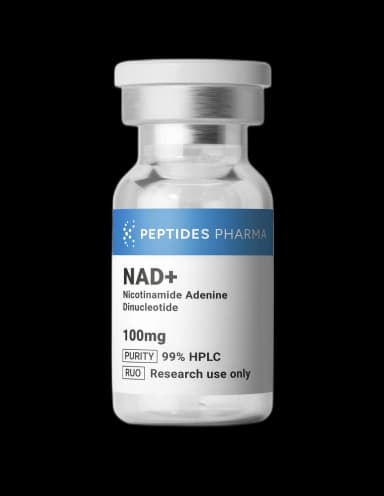
Peptides Pharma NAD+ Vial System: Sealed cartridge shelf life: 24 months at 2-8°C After cartridge insertion: 30 days at 2-8°C
How to check expiry: Every Peptides Pharma vial has a printed expiry date on the label and packaging. Always verify before use. Do not use expired peptides — degradation products may have unpredictable biological activity.
Batch documentation: Each Peptides Pharma order includes a Certificate of Analysis referencing the specific batch number. This allows traceability from manufacturing date through expiry.
Common Storage Mistakes
Mistake 1: Leaving peptides at room temperature Room temperature (20-25°C) accelerates degradation significantly. Even a few hours at room temperature is generally fine, but extended exposure (days) compromises potency. Always return pens to the refrigerator after each use.
Mistake 2: Freezing Freezing (below 0°C) can damage peptide structure through ice crystal formation. Never store research vials in a freezer. If a vial has frozen accidentally, the solution may appear cloudy or contain particles after thawing — do not use it.
Mistake 3: Light exposure Leaving pens on a desk, windowsill, or laboratory bench exposes them to UV radiation that breaks peptide bonds. Always store in the box in the refrigerator.
Mistake 4: Door storage Refrigerator doors experience more temperature fluctuation (warming each time the door opens). Store vials on a main shelf for more consistent temperature.
Mistake 5: Car storage Car interiors can reach 50°C+ in summer and below 0°C in winter — both are destructive to peptides. Never leave research vials in a vehicle, even briefly during warm weather.
Mistake 6: Bathroom storage Bathrooms have high humidity and temperature fluctuations from showers/baths. Not suitable for peptide storage.
RECOMMENDED PRODUCT
Travel and Transport Guidelines
Researchers sometimes need to transport research vials between locations. Follow these guidelines to maintain the cold chain:
Short transport (under 2 hours): - Place pens in an insulated bag or cool bag - Add a small gel ice pack (wrapped in paper to prevent direct contact) - Avoid leaving the bag in direct sunlight or a hot car
Longer transport (2-8 hours): - Use a quality insulated cool bag or small cool box - Multiple gel ice packs (frozen overnight) - Wrap pens in bubble wrap or cloth for insulation and protection - Monitor internal temperature if possible
Air travel: - Peptide vials can be transported in carry-on luggage - Pack in a small insulated bag with ice packs (gel packs are allowed through security) - Keep pens in original labelled packaging - Carry a copy of the Certificate of Analysis - Note: liquid volumes are subject to airline restrictions — check specific airline policies
Extended relocation: - For moves or long-distance transport, consider ordering fresh stock to the new location - Contact Peptides Pharma if you need delivery to an alternative UK address
Important: Always return pens to 2-8°C refrigerated storage as quickly as possible after transport.
Signs of Peptide Degradation
Learn to recognise compromised peptides:
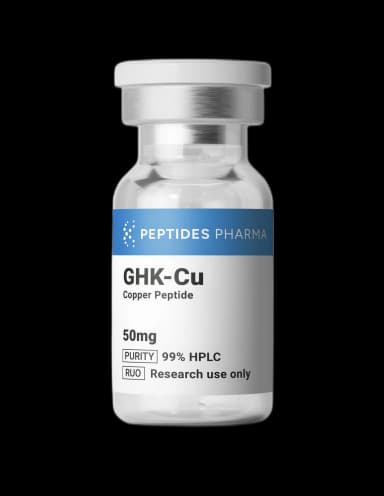
Visual signs: - Discolouration (darkening, yellowing, browning) - Cloudiness or turbidity (solution should be clear) - Visible particles, flakes, or precipitate - Unusual foaming when gently shaken - Note: GHK-Cu's blue-green colour is natural and not a sign of degradation
Mechanical signs: - Pen plunger sticks or doesn't depress smoothly - Solution leaks from the cartridge seal - Unusual resistance when dialling doses
If you suspect degradation: 1. Do not use the vial 2. Check storage history — any temperature excursions? 3. Check the expiry date 4. Take a photo of the solution appearance 5. Contact Peptides Pharma customer support 6. Peptides Pharma offers replacements for products that arrive degraded or degrade within shelf life under correct storage conditions
Prevention summary: - Store at 2-8°C always - Keep in original box (light protection) - Use within 30 days of opening - Never freeze - Minimise time at room temperature - Check expiry dates before purchase and use