
Understanding Single vs Dual Receptor Action
The fundamental difference between semaglutide and tirzepatide lies in receptor pharmacology:
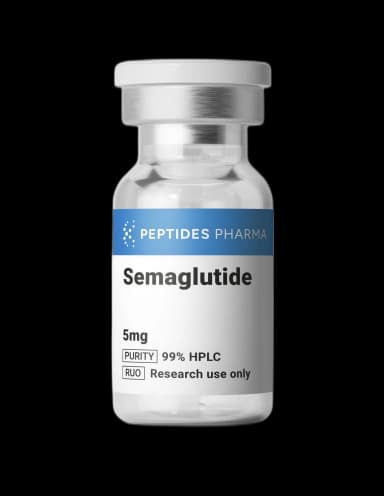
Semaglutide (GLP-1 only) Semaglutide mimics GLP-1, activating receptors in the pancreas (insulin release), brain (appetite suppression), and gut (slowed gastric emptying). It is highly effective but works through a single hormonal pathway.
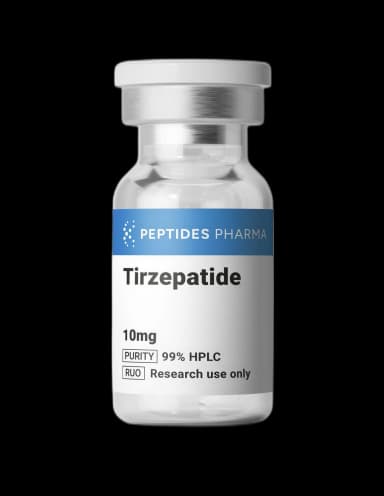
Tirzepatide (GIP + GLP-1) Tirzepatide activates both GIP and GLP-1 receptors. GIP acts primarily on adipose tissue, enhancing fat metabolism and improving lipid handling. Combined with GLP-1's appetite and insulin effects, this dual mechanism provides a more comprehensive metabolic intervention.
The SURPASS clinical trials demonstrated that tirzepatide's dual action translates to clinically meaningful improvements over semaglutide monotherapy.
Clinical Efficacy: Head-to-Head Data
SURPASS-2 (Tirzepatide vs Semaglutide 1mg) This landmark trial directly compared tirzepatide to semaglutide and found tirzepatide superior at all doses: - Tirzepatide 5mg: -7.6 kg vs semaglutide -5.7 kg - Tirzepatide 10mg: -9.3 kg vs semaglutide -5.7 kg - Tirzepatide 15mg: -11.2 kg vs semaglutide -5.7 kg
SURMOUNT-1 (Tirzepatide for Weight Management) Mean weight reductions at 72 weeks: - 5mg: -15.0% - 10mg: -19.5% - 15mg: -20.9%
STEP-1 (Semaglutide 2.4mg for Weight) - Mean weight reduction: -14.9% at 68 weeks
The data consistently shows tirzepatide achieving greater efficacy, attributed to the additional metabolic benefits of GIP receptor activation.
Research-Grade Vials from Peptides Pharma
Peptides Pharma offers both compounds as high-purity lyophilized vials for research applications:
Semaglutide Vial - Lyophilized powder, HPLC purity >98% - Reconstitute with bacteriostatic water - GMP manufactured, full COA included - Weekly subcutaneous dosing protocol
Tirzepatide Vial - Lyophilized powder, HPLC purity >99% - Reconstitute with bacteriostatic water - GMP manufactured, full COA included - Weekly subcutaneous dosing protocol
Both vials provide the flexibility for precise dose titration — critical for research protocols that require graduated dose escalation as used in published clinical trials.
Side Effect Considerations
Both semaglutide and tirzepatide share similar gastrointestinal side effects, which are the most commonly reported:
Common Side Effects (both compounds): - Nausea (most common, typically resolves over 4-8 weeks) - Diarrhoea - Constipation - Reduced appetite - Injection site reactions
Key Difference: Some clinical data suggests tirzepatide may have a slightly more favourable GI side effect profile at equivalent efficacy doses, possibly because the dual mechanism allows lower doses of each pathway to achieve the same metabolic effect.
All side effect data comes from clinical trials. Individual responses in research settings may vary. Proper research protocols should include monitoring for these known effects.

