Evidence-based guide to combining peptides for enhanced research outcomes. Popular stacks, synergistic mechanisms, timing considerations, and Peptides Pharma product pairings.
11 min read · Updated 2026-03-31
What Is Peptide Stacking?
Peptide stacking refers to the practice of administering two or more peptides concurrently to achieve synergistic research outcomes. Unlike single-peptide protocols, stacking leverages complementary mechanisms of action — allowing researchers to target multiple biological pathways simultaneously.
When done correctly, peptide stacking can produce effects greater than the sum of individual compounds. The key is understanding which peptides work through complementary (not redundant) mechanisms.
This guide covers the most well-documented peptide combinations based on published research literature.
Stack 1: BPC-157 + TB-500 (Recovery & Healing)
The gold standard recovery stack.
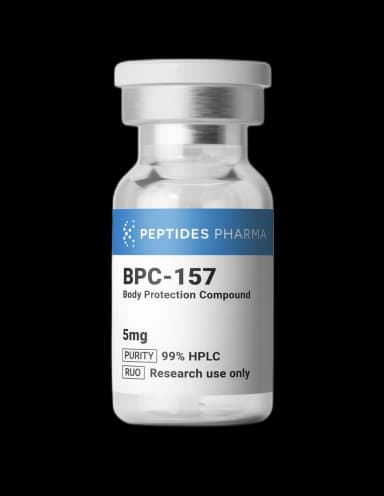
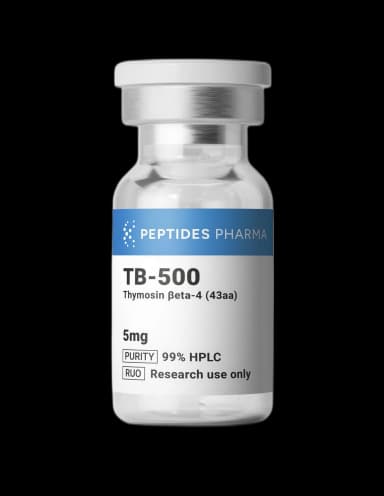
BPC-157 and TB-500 are the most popular peptide combination in the UK research community, and for good reason — they work through entirely complementary mechanisms:
BPC-157 (€119) activates: - Growth factor expression (VEGF, FGF, EGF) - Nitric oxide synthesis - FAK-paxillin pathway (cell migration) - Gastric mucosal protection
TB-500 (€119) activates: - Actin polymerisation (cellular structure) - Cell migration and proliferation - Angiogenesis (new blood vessel formation) - Anti-fibrotic effects (reduces scar tissue)
Why they're synergistic: BPC-157 promotes the growth factor signals that tell the body to repair, while TB-500 provides the cellular infrastructure (actin, blood vessels) needed to execute that repair. Together, they address both the signalling and structural aspects of tissue healing.
Research applications: Tendon/ligament injury, muscle recovery, wound healing, gut repair, joint health.
Peptides Pharma cost: €238 for both pens (60 days of dual-peptide research).
RECOMMENDED PRODUCT
Stack 2: CJC-1295 + Ipamorelin (GH Optimisation)
The most popular growth hormone stack.
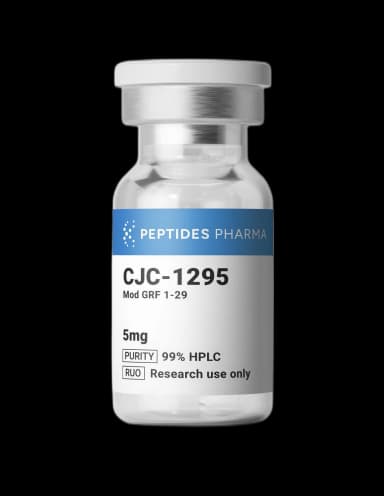
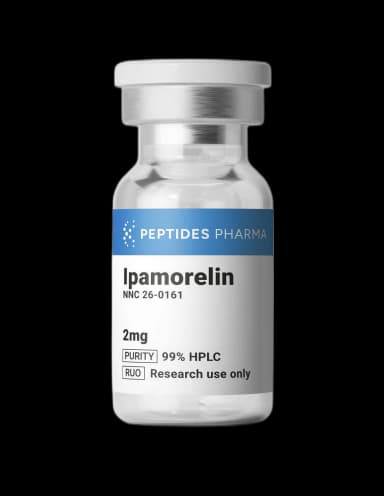
CJC-1295 and Ipamorelin are the definitive GH peptide combination:
CJC-1295 (€109) works via: - GHRH receptor activation - Sustained GH elevation (half-life ~30 min with DAC) - IGF-1 stimulation - Extended GH production window
Ipamorelin (€109) works via: - Ghrelin receptor (GHS-R) activation - Sharp, pulsatile GH release - Selective GH secretion (no cortisol/prolactin increase) - Mimics natural GH pulse patterns
Why they're synergistic: CJC-1295 amplifies GH production capacity via GHRH receptors, while Ipamorelin triggers targeted GH release via ghrelin receptors. Using both activates two independent GH pathways simultaneously, producing estimated 3-5x greater GH release than either alone.
Research applications: Body composition, sleep quality, recovery, bone density, metabolic function.
Peptides Pharma cost: €218 for both pens (60 days of dual-peptide research).
Timing note: Research protocols typically administer both peptides together in the evening, 30-60 minutes before sleep, in a fasted state.
Stack 3: GHK-Cu + Glutathione (Skin & Anti-Aging)
The premier skin rejuvenation stack.
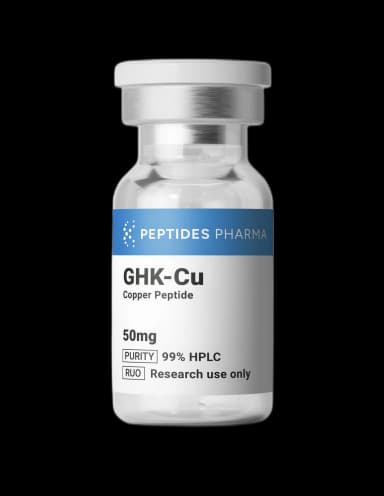
GHK-Cu (€139) targets: - Collagen I, III, V synthesis - Elastin production - Wound healing and tissue remodelling - 4,000+ gene expression modulation - Angiogenesis promotion
Glutathione (€99) targets: - Master antioxidant defence - Melanin regulation (skin brightening) - Cellular detoxification - Immune cell support - Oxidative stress reduction
Why they're synergistic: GHK-Cu rebuilds the structural matrix of skin (collagen, elastin, glycosaminoglycans) while Glutathione protects those newly formed structures from oxidative damage. GHK-Cu addresses skin aging at the structural level; Glutathione addresses it at the cellular defence level.
Research applications: Skin rejuvenation, anti-aging, wound healing, hair growth, antioxidant studies.
Peptides Pharma cost: €238 for both pens (60 days of dual-peptide research).
RECOMMENDED PRODUCT
Stack 4: NAD+ + BPC-157 (Cellular Repair & Longevity)
The comprehensive cellular repair stack.
NAD+ (€189 vial / €299 NAD+ vial) targets: - Sirtuin activation (SIRT1-7) - DNA repair (PARP enzymes) - Mitochondrial function - Cellular energy production - Epigenetic regulation
BPC-157 (€119) targets: - Growth factor expression - Tissue repair and regeneration - Anti-inflammatory pathways - Gut-brain axis modulation - Nitric oxide signalling
Why they're synergistic: NAD+ works inside the cell — powering DNA repair, sirtuin activity, and mitochondrial function. BPC-157 works at the tissue level — promoting growth factors, blood vessel formation, and tissue regeneration. Together, they address aging and repair at both the cellular and tissue levels.
Research applications: Anti-aging, neuroprotection, gut health, tissue repair, metabolic function.
Peptides Pharma cost: €308-€408 depending on NAD+ format.
Stacking Best Practices for Research
Timing considerations: - GH peptides (CJC-1295 + Ipamorelin): Evening, 30-60 min before sleep, fasted - Recovery peptides (BPC-157 + TB-500): Split into AM/PM doses or together once daily - Skin peptides (GHK-Cu + Glutathione): Morning administration commonly used - NAD+: Morning or early afternoon (may affect sleep if taken late)
Volume discounts: Peptides Pharma offers volume discounts starting from 3+ units. When purchasing multiple pens for a stacking protocol, savings can be significant: - 3-5 units: 5% off - 6-9 units: 10% off - 10+ units: 15% off
Storage: All Peptides Pharma vials should be stored at 2-8°C. When using multiple pens simultaneously, keep all in the refrigerator and remove individually for each administration.
Record keeping: When stacking, meticulous documentation is essential. Record each peptide, dose, timing, and observations separately to attribute effects to specific compounds or combinations.
Start single: If new to peptide research, start with individual peptides before combining. This establishes baseline responses and helps identify any individual sensitivities.