A review of published research on BPC-157 and TB-500 in post-surgical recovery models. What the evidence shows about wound healing, tissue repair, and inflammation modulation.
11 min read · Updated 2026-03-05
Post-Surgical Recovery: The Biological Challenge
Surgery, regardless of type, initiates a complex healing cascade involving haemostasis, inflammation, proliferation, and remodelling. This process can take weeks to months depending on the procedure, tissue type, and individual factors.
Researchers have increasingly investigated whether bioactive peptides can support or accelerate specific phases of this healing cascade. Two compounds — BPC-157 and TB-500 — have attracted particular attention due to their documented effects on tissue repair pathways in preclinical research.
Important disclaimer: This article reviews published research data. Peptides Pharma products are sold for research purposes only. This is not medical advice. Post-surgical care should always be directed by qualified medical professionals.
BPC-157: Research in Surgical Wound Healing
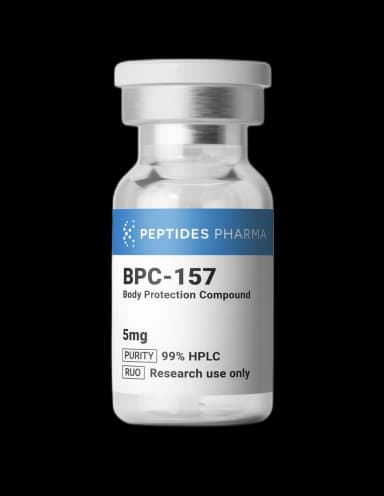
BPC-157 (Body Protection Compound-157) is a vialtadecapeptide derived from human gastric juice protein. It has been studied extensively in animal surgical models:
Key research findings:
*Tendon and ligament repair*: Multiple studies by Seiwerth, Sikiric et al. demonstrated that BPC-157 significantly accelerated Achilles tendon healing in rat models. Treated subjects showed increased tendon-to-bone healing strength, improved collagen organisation, and faster return to functional loading compared to controls.
*Muscle healing*: In transected muscle models (rat quadriceps), BPC-157 administration resulted in faster functional recovery, reduced fibrosis (scar tissue), and improved muscle fibre regeneration versus saline controls.
*Intestinal anastomosis*: Studies on gut surgical healing showed BPC-157 promoted faster anastomotic healing with increased collagen deposition and breaking strength — particularly relevant for GI surgery research.
*Bone healing*: Preclinical fracture models demonstrated enhanced osteogenic activity and callus formation with BPC-157 administration.
Proposed mechanisms: - Upregulation of growth factors: VEGF (blood vessel growth), FGF (tissue proliferation), EGF (epithelial repair) - Activation of the FAK-paxillin pathway (cell migration to wound sites) - Nitric oxide system modulation (vasodilation, blood flow to healing tissues) - Anti-inflammatory effects via cytokine modulation
RECOMMENDED PRODUCT
TB-500: Research in Tissue Regeneration
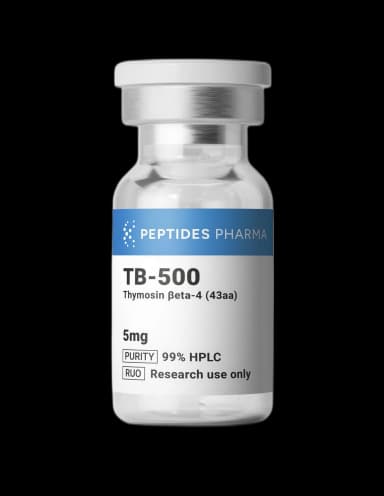
TB-500 is a synthetic fragment of Thymosin Beta-4, a 43-amino acid protein involved in cell migration and tissue repair. Research highlights include:
Key research findings:
*Wound healing*: Thymosin Beta-4 applied to full-thickness skin wounds in animal models accelerated wound closure by 40-60% compared to controls. The mechanism involves promotion of keratinocyte and endothelial cell migration.
*Cardiac tissue repair*: Groundbreaking research demonstrated that Thymosin Beta-4 activated epicardial progenitor cells following cardiac injury, promoting new blood vessel formation and reducing scar tissue. This has significant implications for post-cardiac surgery research.
*Corneal healing*: TB-500 research showed accelerated corneal wound closure and reduced inflammation following surgical corneal injury — prompting commercial development of Thymosin Beta-4 eye drops (RGN-259).
*Anti-fibrotic effects*: Multiple studies documented TB-500's ability to reduce fibrosis (scar tissue formation) in liver, kidney, and skin models — suggesting potential value in any post-surgical context where excessive scarring is a concern.
Proposed mechanisms: - Actin polymerisation promotion (cellular structural reorganisation) - Endothelial cell migration and angiogenesis (new blood vessel formation) - Anti-inflammatory cytokine modulation - Stem cell recruitment to injury sites - MMP regulation (extracellular matrix remodelling)
BPC-157 + TB-500: The Synergistic Recovery Stack
Researchers frequently study BPC-157 and TB-500 together because their mechanisms are complementary rather than redundant:
BPC-157 contributions: - Growth factor signalling (tells the body where to repair) - Nitric oxide modulation (improves blood flow to healing tissues) - Gastric protection (relevant for patients on post-surgical medications)
TB-500 contributions: - Cellular infrastructure (provides the structural framework for repair) - Angiogenesis (builds new blood vessel networks) - Anti-fibrotic activity (promotes clean healing over scar tissue)
Together, they address: 1. The inflammatory phase — both modulate inflammatory cytokines 2. The proliferative phase — BPC-157 signals growth factors, TB-500 builds cellular structures 3. The remodelling phase — TB-500 reduces fibrosis, BPC-157 promotes organised collagen
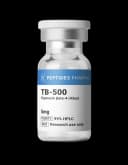
Peptides Pharma offers both as 30-day lyophilized vials — BPC-157 at €119 and TB-500 at €119 — making coordinated research protocols straightforward.
The combined stack provides 60 days of dual-peptide research material at €238, with free UK shipping included.
RECOMMENDED PRODUCT
Supporting Peptides for Recovery Research
Beyond BPC-157 and TB-500, other Peptides Pharma peptides have published research relevant to post-surgical contexts:
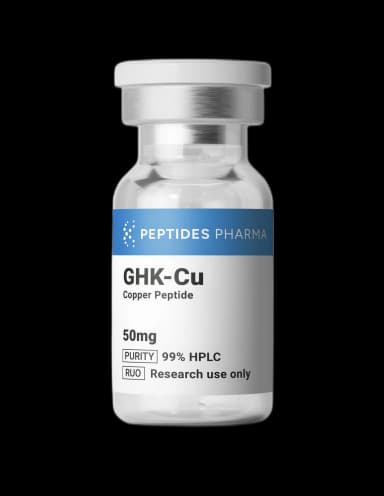
GHK-Cu (€139) Copper peptide GHK-Cu has extensive research in wound healing and tissue remodelling. Studies show it promotes collagen synthesis, attracts immune cells to wound sites, and has anti-inflammatory properties. It is particularly well-studied in dermal wound healing and skin surgery recovery models.
Glutathione (€99) As the body's master antioxidant, Glutathione plays a critical role in managing the oxidative stress that accompanies surgical trauma. Research suggests adequate glutathione levels support immune function, reduce oxidative damage to healing tissues, and promote faster resolution of inflammation.
NAD+ (€189 vial / €299 NAD+ vial) NAD+ is essential for cellular energy production and DNA repair — both of which are heavily demanded during post-surgical recovery. Published research links NAD+ levels to wound healing rates, immune cell function, and tissue regeneration capacity.
A comprehensive recovery research protocol might include: - BPC-157 + TB-500 for tissue repair signalling and infrastructure - GHK-Cu for collagen synthesis and wound healing - Glutathione for antioxidant protection - NAD+ for cellular energy support
Limitations and Important Considerations
While the preclinical research on BPC-157 and TB-500 is promising, researchers should note several important limitations:
1. Most studies are preclinical: The majority of published data comes from animal models (primarily rats). Human clinical trials are limited, particularly for BPC-157.
2. Dosing extrapolation: Animal study doses cannot be directly extrapolated to human equivalents without proper allometric scaling.
3. Publication bias: Positive results are more likely to be published than negative findings, potentially skewing the evidence base.
4. No regulatory approval: Neither BPC-157 nor TB-500 is approved as a post-surgical treatment by the MHRA, FDA, or EMA.
5. Individual variation: Healing rates and responses to bioactive compounds vary significantly between individuals and surgical contexts.
6. Not a replacement for medical care: Post-surgical recovery should always be managed by qualified medical professionals. Research peptides are not a substitute for proper surgical aftercare.
All Peptides Pharma products are sold for research purposes only. Researchers should consult published literature and appropriate ethical guidelines when designing experimental protocols.