A comprehensive look at research peptide alternatives to semaglutide in 2026 — from dual-agonist tirzepatide to emerging multi-receptor compounds and non-GLP-1 metabolic targets.
12 min read · Updated 2026-03-17
Why Researchers Are Looking Beyond Semaglutide
Semaglutide — the GLP-1 receptor agonist behind Ozempic and Wegovy — has dominated metabolic peptide research since its approval. Its efficacy in weight reduction (approximately 15% mean body weight loss in the STEP trials) established a new benchmark for incretin-based therapeutics.
However, the research landscape has moved rapidly beyond single-target GLP-1 agonism. Several factors are driving investigators to explore semaglutide alternatives:
Efficacy ceiling. While 15% weight reduction is clinically meaningful, newer compounds are achieving 20–25% or more in clinical trials. For researchers studying metabolic interventions, these next-generation peptides offer more potent tools.
Mechanism limitations. Semaglutide activates only the GLP-1 receptor. Emerging evidence suggests that multi-receptor agonism — targeting GIP, glucagon, or other pathways simultaneously — may produce superior metabolic outcomes with potentially fewer gastrointestinal side effects.
Tolerability concerns. GLP-1 receptor agonist monotherapy produces significant nausea, vomiting, and diarrhoea in a substantial proportion of subjects. Alternative mechanisms may offer improved side effect profiles.
Muscle preservation. A key criticism of GLP-1-mediated weight loss is the proportion of lean mass lost alongside fat. Researchers are investigating compounds and combination protocols that may preferentially target adipose tissue.
Supply and availability. Global semaglutide shortages have affected research timelines. Alternative compounds with similar or superior mechanisms ensure continuity for ongoing protocols.
Tirzepatide: The Leading Semaglutide Alternative
Tirzepatide is the most clinically validated semaglutide alternative and the compound most researchers are transitioning to in 2026. As a dual GIP/GLP-1 receptor agonist, it activates two incretin pathways rather than one.
Clinical evidence. The SURPASS and SURMOUNT trial programmes — encompassing over 30,000 participants — demonstrated tirzepatide's superiority to semaglutide across multiple endpoints:
- Weight reduction: 22.5% mean body weight loss at the highest dose (SURMOUNT-1) versus 14.9% for semaglutide (STEP 1) - Glycaemic control: Superior HbA1c reduction in head-to-head SURPASS-2 trial - Cardiovascular outcomes: Positive SURPASS-CVOT data showing cardiometabolic benefits - Tolerability: Comparable or lower gastrointestinal side effect rates at maximally effective doses
Why dual agonism matters. GIP receptor activation contributes mechanisms distinct from GLP-1: enhanced lipid metabolism in adipose tissue, improved beta-cell function through complementary signalling pathways, and potentially better preservation of lean body mass during weight loss.
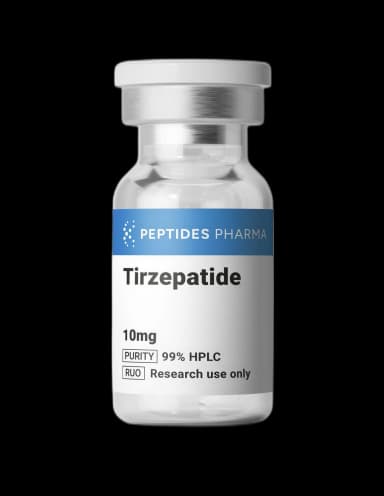
Availability for research. Peptides Pharma offers tirzepatide in two research-ready formats: the standard Research Vial (10mg, €139) and the high-concentration Tirzepatide Vial (40mg, €249). Both are >99% purity, GMP-manufactured, and available for worldwide delivery.
For researchers currently using semaglutide, tirzepatide represents the most straightforward alternative — validated in large-scale clinical trials with a well-characterised safety profile.
RECOMMENDED PRODUCT
Retatrutide: The Triple Agonist Frontier
Retatrutide (LY3437943) represents the next frontier beyond dual agonism. As a triple GIP/GLP-1/glucagon receptor agonist, it activates three metabolic pathways simultaneously.
Phase 2 data. The Phase 2 trial published in the New England Journal of Medicine reported mean weight loss of 24.2% at 48 weeks at the highest dose — exceeding both semaglutide and tirzepatide in comparable timeframes. Notably, participants had not yet reached a weight plateau at study end, suggesting even greater reductions with longer treatment.
Glucagon receptor component. The addition of glucagon receptor agonism is theoretically important because glucagon:
- Increases energy expenditure via hepatic and adipose tissue thermogenesis - Promotes lipolysis (fat breakdown) directly - May partially counteract the lean mass loss seen with GLP-1 agonism alone - Enhances hepatic fat clearance, relevant to NAFLD/NASH research
Current status. Retatrutide is in Phase 3 clinical trials (2026) and not yet approved. It is not widely available for independent research. However, researchers tracking the metabolic peptide pipeline should monitor this compound closely as the most likely successor to tirzepatide.
Implications for current research. While retatrutide is not yet accessible, its clinical results validate the multi-receptor agonist approach. Researchers can explore dual agonism with tirzepatide today and anticipate triple agonist availability as Phase 3 trials conclude.
Survodutide and Other Dual Glucagon/GLP-1 Agonists
An alternative approach to the GIP/GLP-1 combination is dual glucagon/GLP-1 agonism. Survodutide (BI 456906) is the leading compound in this class.
Differentiation from tirzepatide. Where tirzepatide combines GIP with GLP-1, survodutide combines glucagon with GLP-1. These are meaningfully different approaches:
- GIP + GLP-1 (tirzepatide): Dual incretin pathway activation, enhanced insulin secretion, adipose tissue effects via GIP - Glucagon + GLP-1 (survodutide): Energy expenditure increase via glucagon, enhanced hepatic fat clearance, direct lipolysis promotion
Clinical data. Phase 2 results showed survodutide produced up to 19% weight loss at 46 weeks, with particularly impressive effects on liver fat reduction — making it of special interest for NAFLD and NASH researchers.
Other compounds in this space:
- Pemvidutide (ALT-801): Dual GLP-1/glucagon agonist from Altimmune, Phase 2 data showing ~15% weight loss with significant liver fat reduction - Mazdutide (IBI362): Dual GLP-1/glucagon agonist from Innovent Biologics, primarily studied in Chinese populations
For researchers focused on hepatic metabolism and non-alcoholic fatty liver disease, glucagon/GLP-1 dual agonists may be more relevant alternatives to semaglutide than GIP/GLP-1 compounds.
RECOMMENDED PRODUCT
Beyond Incretins: Non-GLP-1 Metabolic Peptides
Not all semaglutide alternatives work through incretin pathways. Several peptide-based approaches target metabolic regulation through entirely different mechanisms.
Amylin analogues (Cagrilintide). Amylin is co-secreted with insulin from pancreatic beta cells. Cagrilintide, a long-acting amylin analogue, slows gastric emptying and promotes satiety through hypothalamic signalling — complementary to but distinct from GLP-1. Novo Nordisk's CagriSema (cagrilintide + semaglutide combination) achieved 22.7% weight loss in Phase 3 trials, demonstrating the additive effect of amylin pathway activation.
Growth hormone secretagogues. Peptides like CJC-1295 and Ipamorelin stimulate growth hormone release, which promotes lipolysis, preserves lean mass, and enhances metabolic rate. While not direct weight loss agents, they are researched for body composition optimisation and may complement GLP-1 pathway interventions. Peptides Pharma offers both CJC-1295 and Ipamorelin in vial format.
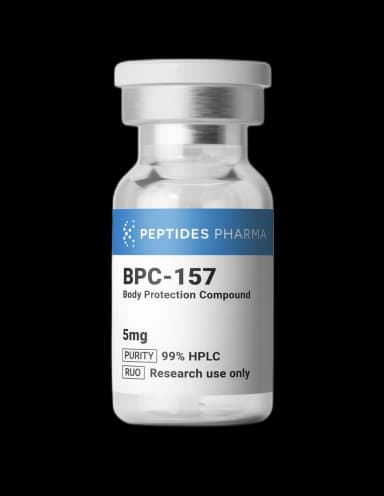
BPC-157 for metabolic research. BPC-157 (Body Protection Compound-157) is primarily studied for tissue repair, but emerging research has explored its effects on gastrointestinal function and metabolic signalling. Some researchers include BPC-157 in metabolic protocols for its gastric protective properties, particularly when studying compounds that affect GI function. Peptides Pharma's BPC-157 vial is one of the most popular products for researchers in this field.
Adiponectin pathway peptides. Early-stage research is exploring peptides that mimic or enhance adiponectin signalling — a pathway involved in insulin sensitisation and fatty acid oxidation that operates independently of incretin hormones.
Research Vial Delivery: A Research Advantage
Regardless of which metabolic peptide a researcher selects, the delivery format matters for experimental consistency.
Traditional vial-based peptide research requires manual reconstitution, syringe measurement, and repeated vial piercing — each step introducing variability. For metabolic studies where dose precision directly affects outcomes, this variability can confound results.
Peptides Pharma's vial format advantages for metabolic research:
- Factory-calibrated dosing with <2% variance between administrations - Pre-mixed formulations eliminating reconstitution errors - Sealed cartridge system preventing contamination over multi-week protocols - 24-month stability at 2-8°C, versus 2-4 weeks for reconstituted vials - Dose adjustment capability via the vial's click mechanism for titration protocols
For researchers comparing semaglutide alternatives, Peptides Pharma's tirzepatide vials provide the most accessible, research-ready option with clinical-grade precision.
The Tirzepatide Vial (40mg) is particularly suited to longer-duration metabolic studies, offering up to 16 weeks of protocol at standard research doses from a single device — reducing the number of units needed and maintaining batch-to-batch consistency.
Choosing the Right Semaglutide Alternative for Your Research
The optimal alternative depends on research objectives:
For maximum validated efficacy: Tirzepatide is the clear choice. Its SURPASS and SURMOUNT data provide the most robust evidence base after semaglutide itself. Available now from Peptides Pharma in research-ready vial format.
For hepatic metabolism focus: Glucagon/GLP-1 dual agonists (survodutide, pemvidutide) show particular promise for liver fat reduction. Monitor Phase 3 results.
For body composition optimisation: Combining GLP-1 pathway compounds with growth hormone secretagogues (CJC-1295 + Ipamorelin) is an active area of research. Peptides Pharma offers both in vial format.
For multi-pathway metabolic research: Triple agonists like retatrutide represent the frontier. Currently in Phase 3 trials — watch for 2026-2027 results.
For GI-sensitive protocols: CagriSema's amylin + GLP-1 combination may offer improved tolerability. Not yet widely available for independent research.
Summary comparison table:
- Semaglutide — Single GLP-1 agonist — ~15% weight loss — Extensively validated — GI side effects - Tirzepatide — Dual GIP/GLP-1 agonist — ~22.5% weight loss — Available now at Peptides Pharma — Enhanced lipid metabolism - Retatrutide — Triple GIP/GLP-1/glucagon — ~24.2% weight loss — Phase 3 trials — Energy expenditure boost - Survodutide — Dual glucagon/GLP-1 — ~19% weight loss — Phase 3 trials — Liver fat reduction - CagriSema — Amylin + GLP-1 combination — ~22.7% weight loss — Phase 3 complete — Complementary satiety pathway
The 2026 Research Landscape
The metabolic peptide field is evolving faster than at any point in its history. Within two years, researchers may have access to triple agonists, oral formulations, and combination therapies that dwarf semaglutide's efficacy.
For researchers who need to begin or continue metabolic peptide studies today, tirzepatide offers the strongest combination of clinical validation, research accessibility, and demonstrated superiority to semaglutide. Peptides Pharma's GMP manufacturing in Switzerland, >99% purity, and vial-format convenience eliminates the supply chain risks that have disrupted semaglutide research globally.
As the pipeline matures, Peptides Pharma will continue expanding its metabolic peptide range to include the most promising next-generation compounds as they become available for research use.
For researchers ready to transition from semaglutide to its most validated alternative, Peptides Pharma's tirzepatide vials are available for immediate order with worldwide delivery and 3-5 day EU delivery.