


How to Reconstitute Peptide Vials: Step-by-Step Guide
5 min read
Contemporary aging research has identified specific molecular hallmarks that drive biological aging: telomere attrition, mitochondrial dysfunction, cellular senescence, genomic instability, epigenetic drift, and immune decline. Peptides Pharma's longevity range is the most comprehensive available, featuring seven peptides that systematically target these hallmarks. Epithalon activates telomerase to maintain chromosome integrity. MOTS-C and Humanin — mitochondria-derived peptides — protect against the mitochondrial dysfunction that underpins cellular aging. NAD+ restores sirtuin-mediated DNA repair and metabolic regulation. SS-31 stabilises the inner mitochondrial membrane. GHK-Cu remodels the expression of over 4,000 genes toward youthful patterns. And Thymosin Alpha-1 rejuvenates adaptive immune function degraded by thymic involution.
7
AGING HALLMARKS ADDRESSED
>99%
PURITY ACROSS ALL COMPOUNDS
4,000+
GENES MODULATED BY GHK-CU
50%
NAD+ DECLINE BY AGE 60 (ESTIMATED)
Understanding the mechanism of action behind the research
Epithalon is a synthetic tetrapeptide that activates telomerase — the enzyme responsible for maintaining telomere length at chromosome ends. Telomere attrition is recognised as a primary hallmark of aging, limiting cellular replicative capacity and triggering senescence. Research demonstrates Epithalon can extend cell division beyond the Hayflick limit in human cell lines, and in vivo studies in animal models have shown increased mean and maximum lifespan. Epithalon additionally stimulates pineal melatonin production and activates antioxidant enzyme systems (SOD, catalase, glutathione peroxidase).
MOTS-C and Humanin are peptides encoded within the mitochondrial genome — a discovery that transformed understanding of mitochondria from mere energy factories into signalling organelles. MOTS-C activates the AMPK pathway to enhance metabolic resilience, glucose regulation, and cellular stress resistance. Humanin activates STAT3 and PI3K/Akt survival pathways, providing potent cytoprotection and neuroprotection. Both decline with age, and research suggests their restoration may counteract multiple aging hallmarks simultaneously through endogenous mitochondrial signalling.
NAD+ is the essential cofactor for sirtuin activation — the family of enzymes governing DNA repair, mitochondrial biogenesis, and inflammatory gene silencing. NAD+ levels decline by up to 50% between ages 40 and 60, effectively silencing these longevity pathways. SS-31 (Elamipretide) complements NAD+ by stabilising cardiolipin in the inner mitochondrial membrane, optimising electron transport chain efficiency, reducing ROS leakage, and preserving mitochondrial cristae structure. Together, NAD+ and SS-31 address both the regulatory and structural dimensions of mitochondrial aging.
GHK-Cu is a copper-binding tripeptide that modulates the expression of over 4,000 human genes — upregulating those associated with tissue repair, DNA repair enzymes, antioxidant defence, and stem cell markers while suppressing inflammatory and degradative gene expression. This epigenetic remodelling toward youthful expression patterns addresses the hallmark of epigenetic drift. Thymosin Alpha-1 rejuvenates adaptive immune function by promoting T-cell maturation and dendritic cell activation, directly counteracting immunosenescence — the age-related decline in immune competence driven by thymic involution.
Epithalon is the only peptide with documented telomerase activation in human cell lines. Research by Khavinson and colleagues demonstrates it can reactivate telomerase in somatic cells that have normally lost this capacity, extending replicative lifespan. In vivo studies show increased mean lifespan of 15-20% in animal models. Telomere maintenance is considered the most upstream aging intervention — preventing the cascade of senescence triggered by critically short telomeres.
The only peptide with documented telomerase activation in human cells
The discovery of MOTS-C and Humanin as mitochondria-derived peptides (MDPs) represents a paradigm shift in aging biology. These peptides are encoded within the mitochondrial DNA and act as retrograde signals from mitochondria to the nucleus, coordinating cellular stress responses and survival programmes. Their age-related decline suggests mitochondria progressively lose the ability to communicate protective signals. Restoring MDP levels may reactivate these endogenous longevity mechanisms.
Paradigm-shifting discovery — mitochondria as signalling organelles, not just power plants
SS-31 (Elamipretide) is a tetrapeptide that selectively concentrates in the inner mitochondrial membrane, binding to cardiolipin — the signature lipid that organises electron transport chain complexes. Research demonstrates SS-31 optimises ATP production, reduces electron leakage and ROS generation, and preserves mitochondrial cristae architecture. This structural approach to mitochondrial aging complements NAD+'s regulatory effects, addressing both the hardware and software of mitochondrial function.
GHK-Cu's ability to modulate over 4,000 human genes represents one of the most comprehensive interventions against epigenetic aging drift. Genomic analysis shows it upregulates 1,584 genes associated with youthful tissue function — including collagen, elastin, DNA repair enzymes, and antioxidant genes — while suppressing 2,550 genes linked to inflammation, fibrosis, and tissue degradation. This broad epigenetic reset may address the hallmark of altered gene expression patterns that accumulate with age.
Resets expression of 4,134 genes toward youthful patterns
Immunosenescence — age-related immune decline driven by thymic involution — increases susceptibility to infections, cancer, and autoimmune conditions in aging populations. Thymosin Alpha-1 directly addresses this hallmark by promoting T-cell maturation from remaining thymic tissue, enhancing NK cell cytotoxicity, and improving dendritic cell antigen presentation. Its approval as an immune therapeutic in over 35 countries provides the strongest clinical validation of any peptide in the longevity stack.
Aging research increasingly supports the hypothesis that effective longevity interventions must address multiple hallmarks simultaneously — isolated approaches produce limited results because aging pathways are interconnected. This seven-peptide range covers telomere maintenance (Epithalon), mitochondrial signalling (MOTS-C, Humanin), mitochondrial structure (SS-31), metabolic regulation (NAD+), epigenetic remodelling (GHK-Cu), and immune rejuvenation (Thymosin Alpha-1). No other peptide range provides this breadth of hallmark coverage in a single research protocol.
The most comprehensive multi-hallmark longevity peptide range available
Premium lyophilized research peptide vials reconstituted with bacteriostatic water before use
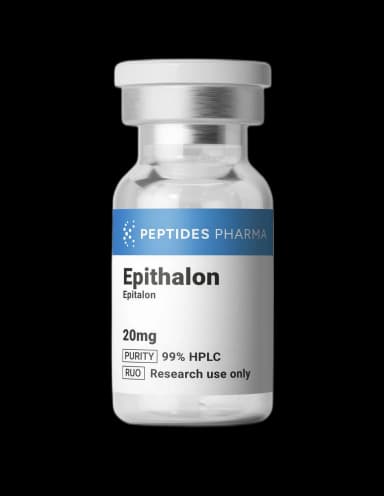
Epitalon (AEDG Peptide)
A tetrapeptide (Ala-Glu-Asp-Gly) studied for its role in telomerase activation and pineal gland function. Research suggests Epithalon may regulate melatonin production and modulate cellular aging pathways.
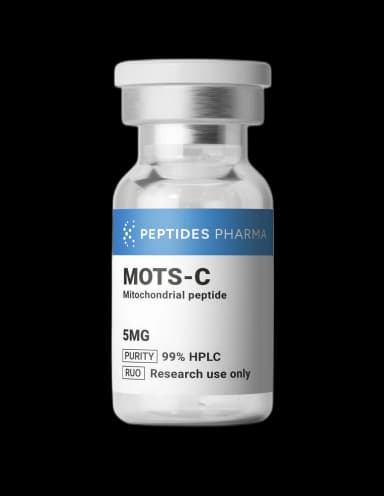
Mitochondrial Open Reading Frame
A mitochondria-derived peptide encoded within the 12S rRNA gene. Research suggests MOTS-C may regulate metabolic homeostasis through AMPK activation and folate-methionine cycle modulation.
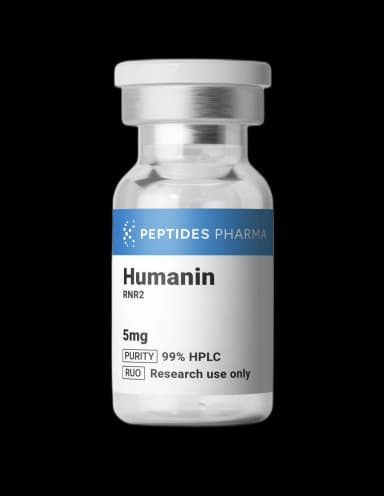
RNR2 Mitochondrial Peptide
A mitochondria-derived peptide encoded by the MT-RNR2 gene, studied for its cytoprotective and anti-apoptotic properties. Research suggests Humanin may protect against oxidative stress and neurodegenerative processes.
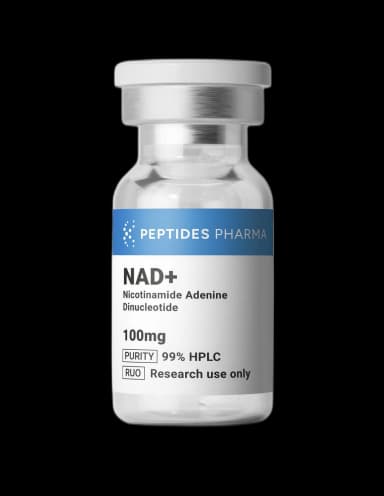
Nicotinamide Adenine Dinucleotide
A critical coenzyme present in every living cell, studied for its role in mitochondrial metabolism, sirtuin activation, and DNA repair pathways. Research suggests NAD+ levels decline with age, driving interest in supplementation research.
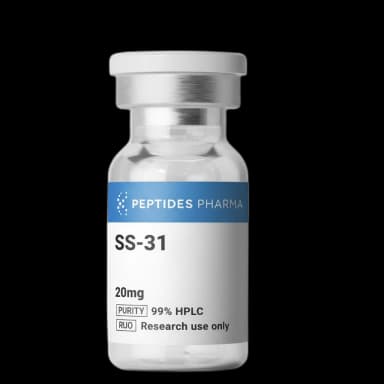
Elamipretide (Szeto-Schiller Peptide)
SS-31 (Elamipretide) is a synthetic mitochondria-targeted tetrapeptide that selectively binds cardiolipin on the inner mitochondrial membrane. It is the first and only FDA-approved drug targeting mitochondrial dysfunction, approved as Forzinity for Barth syndrome. Researched for its ability to restore cristae structure, optimize electron transport chain function, and enhance ATP production while reducing reactive oxygen species.
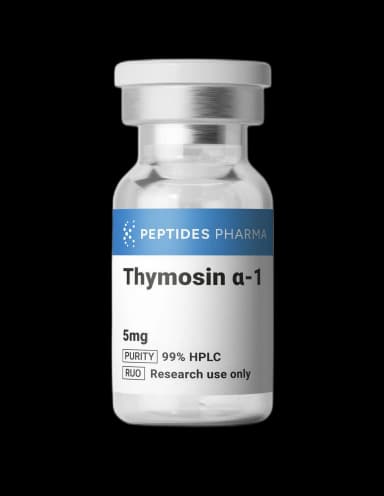
Tα1 Immune Peptide
A naturally occurring thymic peptide studied for immune system modulation. FDA-approved in over 35 countries (as Zadaxin), Thymosin Alpha-1 is investigated for its role in T-cell maturation and innate immunity enhancement.
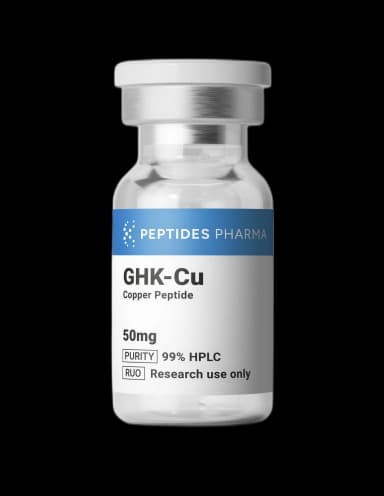
Copper Peptide
A copper-binding tripeptide investigated for its role in tissue remodelling, collagen synthesis, and gene expression modulation. Studies suggest GHK-Cu may activate regenerative processes through copper-mediated signalling.
Researchers and professionals working in these areas
Investigating the molecular hallmarks of aging through a systems-biology approach. This seven-peptide range provides tools to study telomere dynamics, mitochondrial function, epigenetic regulation, and immune senescence within a single coordinated protocol.
Studying mitochondrial dysfunction as a central driver of aging. The combination of MOTS-C, Humanin, NAD+, and SS-31 provides the most comprehensive mitochondrial intervention available — addressing signalling, bioenergetics, membrane integrity, and genome-encoded protective pathways.
Examining interventions that may influence the rate of biological aging at the cellular level. Epithalon's telomerase activation and GHK-Cu's gene expression remodelling directly address two of the most fundamental molecular drivers of the aging phenotype.
Developing proactive research protocols for patients interested in addressing aging biology before clinical manifestations appear. The multi-compound approach enables personalised protocol design based on individual aging biomarker profiles.
Why Researchers Choose Peptides Pharma Longevity Peptides
A comprehensive seven-peptide protocol systematically targeting the major hallmarks of aging. Epithalon is typically administered in cyclical protocols (10-20 day courses). NAD+ and MOTS-C are administered daily for continuous metabolic support. Humanin and SS-31 provide ongoing cytoprotection and mitochondrial membrane stabilisation. GHK-Cu delivers broad epigenetic remodelling with daily use. Thymosin Alpha-1 provides sustained immune rejuvenation. Research suggests this multi-hallmark approach may produce compounding benefits that exceed the sum of individual compound effects.
DURATION
24-52 weeks (ongoing research)
FREQUENCY
Daily subcutaneous (NAD+, MOTS-C, Humanin, SS-31, GHK-Cu, TA1); cyclical (Epithalon)
PRODUCTS
7 peptides
5 min read
9 min read
10 min read
9 min read
The scientific consensus identifies several hallmarks of aging: telomere attrition, mitochondrial dysfunction, cellular senescence, genomic instability, epigenetic alterations, loss of proteostasis, deregulated nutrient sensing, stem cell exhaustion, and altered intercellular communication. Peptides Pharma's longevity range addresses these systematically — Epithalon activates telomerase to maintain telomere length, MOTS-C and Humanin are mitochondria-derived peptides that protect against mitochondrial dysfunction, NAD+ activates sirtuins for DNA repair and metabolic regulation, SS-31 stabilises the inner mitochondrial membrane to prevent electron leakage, GHK-Cu remodels the expression of 4,000+ genes toward youthful patterns, and Thymosin Alpha-1 rejuvenates adaptive immune function that declines with thymic involution.
Epithalon (Epitalon) is a synthetic tetrapeptide (Ala-Glu-Asp-Gly) based on the natural Epithalamin peptide isolated by Professor Vladimir Khavinson. Research demonstrates it activates telomerase — the enzyme that adds TTAGGG repeats to chromosome ends, preventing the telomere shortening that limits cellular replicative capacity. Studies in human cell lines show Epithalon can extend the number of cell divisions beyond the Hayflick limit. In vivo research in animal models has demonstrated increased mean and maximum lifespan. Epithalon also modulates pineal gland melatonin production and activates antioxidant enzyme expression.
Mitochondria-derived peptides (MDPs) are small peptides encoded within the mitochondrial genome. MOTS-C and Humanin are the two most studied MDPs. MOTS-C activates the AMPK pathway, enhances glucose metabolism, and protects against metabolic dysfunction and cellular stress. Humanin activates STAT3 and PI3K/Akt survival pathways, providing potent cytoprotection and neuroprotection. MDPs represent a paradigm shift in understanding mitochondria — not merely as energy factories, but as signalling organelles that communicate cellular stress status and activate survival programmes. Their decline with age correlates with multiple hallmarks of aging.
Yes, these seven peptides target non-overlapping aging hallmarks and are designed for combinatorial research protocols. A comprehensive longevity stack might include Epithalon for telomere maintenance, NAD+ for sirtuin activation and bioenergetics, MOTS-C for metabolic optimisation, Humanin for cytoprotection, SS-31 for mitochondrial membrane integrity, GHK-Cu for epigenetic remodelling, and Thymosin Alpha-1 for immune rejuvenation. This multi-hallmark approach reflects the systems-biology consensus that aging is a coordinated deterioration across multiple pathways — and that effective intervention requires addressing these pathways in parallel rather than individually.
Step-by-step: prime, attach needle, dial dose, inject, store. No reconstitution needed. Works with all Peptides Pharma vials. Beginner-friendly 5 min guide.
ARTICLEGHK-Cu modulates 4,000+ genes for younger skin. Collagen synthesis, wound healing, and hair growth research explained. Lyophilized vial from €139.
ARTICLENAD+ drives 500+ cell reactions and drops 50% by age 60. Sirtuin pathways, vial vs IV costs, and bioavailability compared. 2026 research guide.
COMPARISONCompare Epithalon and MOTS-C for anti-aging research. Telomerase activation vs mitochondrial function, mechanisms, protocols, and how to combine them. Buy research-grade peptide vials.
COMPARISONCompare SS-31 (Elamipretide) and MOTS-C for mitochondrial research. Mechanisms, clinical evidence, anti-aging potential, and how to combine them. Buy research-grade peptide vials.
ENCYCLOPEDIACopper Tripeptide / Matrikine. Molecular weight: 403.92 Da. Explore mechanism of action, key studies, and research applications.
BUNDLETriple-compound protocol for cellular aging research
PROTOCOLResearch protocol combining Epithalon, MOTS-C, SS-31, and NAD+ lyophilized vials for comprehensive longevity investigation. Explore telomerase activation, mitochondrial restoration, and cellular energy research.
FAQEverything you need to know about peptide vial systems. Learn how pre-mixed research vials work, their advantages over vials, dosing mechanisms, and more.
CATEGORYResearch-grade recovery research vials. BPC-157 and TB-500 for tissue repair, wound healing, and inflammation research. >99% purity, UK delivery.
CATEGORYResearch-grade weight loss research vials. Tirzepatide dual GIP/GLP-1 agonist for metabolic research. Lyophilized vials, >99% purity, worldwide delivery.
Access the most comprehensive longevity peptide range available — seven compounds targeting seven aging hallmarks — from telomerase activation to immune rejuvenation, all at >99% research-grade purity.