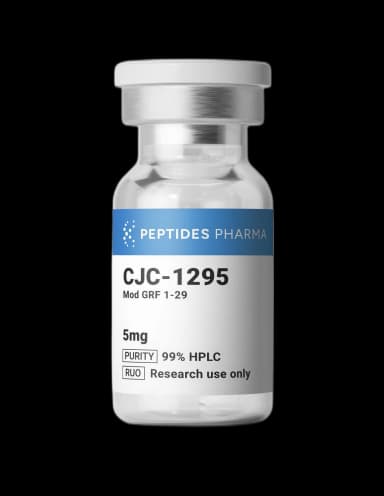
Proper peptide storage is critical for maintaining potency and research reliability. Learn the best practices for temperature control, shelf life management, and safe transport.
7 min read · Updated 2026-03-05
Why Peptide Storage Matters
Peptides are biological molecules with intrinsic instability. Unlike small-molecule compounds that can sit on a shelf at room temperature for years, peptides are susceptible to degradation through multiple pathways — hydrolysis, oxidation, aggregation, and deamidation. Improper storage doesn't just reduce potency; it can alter the peptide's structure entirely, producing degradation products that compromise research results.
The difference between properly stored and improperly stored peptides can be dramatic. A well-stored research vial from Peptides Pharma will retain >95% potency throughout its 24-month shelf life. The same compound left at room temperature or exposed to light can lose 30–50% of its activity within weeks.
For researchers who depend on consistent, reliable peptide performance, understanding storage requirements isn't optional — it's fundamental to producing valid, reproducible data.
The three enemies of peptide stability are: 1. Temperature: Heat accelerates all degradation pathways 2. Moisture: Water drives hydrolytic breakdown of peptide bonds 3. Light: UV and visible light can oxidise sensitive amino acid residues (particularly tryptophan, tyrosine, and methionine)
Temperature Requirements by Peptide Form
Different peptide formulations have different temperature requirements. Understanding which rules apply to your specific product is essential.
Lyophilised (Freeze-Dried) Powder Lyophilised peptides are the most stable form because the removal of water halts hydrolytic degradation. - Optimal storage: -20°C (freezer) - Acceptable: 2–8°C (refrigerator) for up to 12 months - Room temperature: Stable for days to weeks, depending on the peptide, but not recommended for long-term storage - Shelf life: Typically 24–36 months at -20°C
Reconstituted Peptides (Vial + Bacteriostatic Water) Once a lyophilised peptide is dissolved in bacteriostatic water, its stability decreases significantly. - Optimal storage: 2–8°C (refrigerator) - Never freeze: Ice crystal formation can damage the peptide structure - Shelf life: Typically 14–30 days after reconstitution - Critical note: Each vial puncture introduces potential contaminants
Pre-Mixed Research Vials (Peptides Pharma System) Peptides Pharma's lyophilized vials are formulated for enhanced stability using proprietary excipient blends that protect against degradation. - Optimal storage: 2–8°C (refrigerator) - Never freeze: The vial mechanism and solution are not designed for freezing - Shelf life: 24 months unopened; 30 days after first use - Advantage: Sealed cartridge system prevents air exposure and contamination
Key temperature thresholds: - Below -80°C: Safe for long-term archival storage of lyophilised peptides - -20°C: Ideal for lyophilised powder storage - 2–8°C: Required for all reconstituted and pre-mixed formulations - Above 25°C: Degradation accelerates significantly - Above 37°C: Rapid degradation of most peptides within hours to days
RECOMMENDED PRODUCT
Lyophilized Vials vs Liquid Peptides: Storage Comparison
One of the most common questions researchers ask is whether pre-mixed research vials or reconstituted vials offer better storage characteristics. The answer is clear.
Reconstituted Vial Storage Challenges: - 14–30 day usable window after reconstitution - Repeated vial punctures introduce air, bacteria, and particulates with each dose withdrawal - No sealed system: Rubber stopper seals degrade over time - Concentration uncertainty: Evaporation through repeated punctures can alter concentration - Light exposure: Clear glass vials offer minimal UV protection - Contamination tracking: Impossible to know if a vial has been compromised until visible turbidity or discolouration appears
Peptides Pharma Lyophilized Vial Storage Advantages: - 24-month shelf life (12× longer than reconstituted vials) - Sealed cartridge: No air exposure until the moment of administration - No reconstitution errors: Factory-mixed to exact concentration - Consistent potency: From first dose to last, the concentration remains uniform - Protected from light: Vial packaging shields the cartridge from UV exposure - Tamper-evident: Any compromise to the sealed system is visually detectable
For researchers running multi-week protocols, the practical advantage is significant. A reconstituted vial may require mid-protocol reconstitution — introducing a potential variable. An Peptides Pharma vial provides a complete 30-day supply from a single, factory-sealed unit.
The bottom line: lyophilized vials are inherently more stable, more convenient, and more reliable than reconstituted vials for peptide storage.
Cold Chain and Shipping Considerations
The cold chain — the unbroken temperature-controlled supply chain from manufacturer to end user — is a critical factor in peptide quality that many researchers overlook.
What Can Go Wrong in Transit: - Packages left in direct sunlight on doorsteps - Delivery vans without climate control in summer (internal temperatures can exceed 50°C) - Extended transit times through international customs - Warehouse storage at ambient temperature during dispatch processing - Inadequate insulation in packaging materials
Peptides Pharma's Cold Chain Protocol: Peptides Pharma maintains cold-chain integrity from manufacture through to delivery:
1. Manufacturing: Peptides are formulated and filled in temperature-controlled GMP clean rooms 2. Warehouse storage: All products stored at 2–8°C in monitored pharmaceutical-grade refrigeration 3. Packaging: Insulated shipping boxes with gel ice packs maintain 2–8°C for up to 48 hours 4. Shipping: worldwide delivery via tracked courier service 5. Monitoring: Temperature indicators on select shipments verify cold-chain compliance
What to Do When Your Peptides Arrive: - Immediately place the vial or vial in the refrigerator upon delivery - If the package feels warm or the ice packs have fully melted, contact Peptides Pharma support - Do not use a product if the solution appears cloudy, discoloured, or contains visible particles - Record the receipt date for your research logs
RECOMMENDED PRODUCT
Travelling with Peptides
Researchers who need to transport peptides — whether between laboratories, to conferences, or during fieldwork — face specific storage challenges. Here are best practices for maintaining peptide integrity during travel.
Short-Distance Transport (Under 4 Hours) - Use an insulated cool bag with one or two gel ice packs - Wrap the research vial or vial in a cloth or bubble wrap to prevent direct contact with ice packs (frost damage) - Keep the cool bag out of direct sunlight and away from heat sources - Temperature target: 2–15°C (brief excursions above 8°C are acceptable)
Long-Distance Transport (4–48 Hours) - Use a pharmaceutical-grade insulated shipper with adequate gel ice packs for the duration - Consider phase-change materials (PCMs) that maintain a consistent 2–8°C range longer than standard ice packs - Monitor with a digital thermometer or temperature-logging device - Pack peptides in the centre of the insulated container, surrounded by cooling elements on all sides
Air Travel Considerations - Peptide vials can typically be carried in hand luggage in a clear, sealed bag with cooling packs - Carry a letter from your research institution explaining the nature of the products if questioned at security - Never check peptides in hold luggage — cargo holds can reach freezing temperatures - Declare any needles or sharps to airport security
What to Avoid: - Leaving peptides in a parked car (interior temperatures can exceed 60°C in summer) - Storing in a hotel room minibar (many operate at 8–12°C, which is borderline) - Freezing lyophilized vials by placing them directly on dry ice or frozen gel packs - Extended periods at room temperature (>25°C) beyond 2–4 hours
Common Storage Mistakes and How to Avoid Them
Even experienced researchers sometimes make storage errors that compromise peptide integrity. Here are the most common mistakes and their solutions.
Mistake 1: Storing Pens in the Freezer Many researchers assume colder is always better. For lyophilised powders, this is true — but for lyophilized vials and reconstituted solutions, freezing causes ice crystal formation that can denature the peptide, damage the peptide, and cause the cartridge to crack. Solution: Always store lyophilized vials and reconstituted peptides at 2–8°C (refrigerator, not freezer).
Mistake 2: Leaving the Pen Door-Side in the Refrigerator Refrigerator door compartments experience the greatest temperature fluctuations — swinging between 2°C and 12°C with each opening. Solution: Store research vials on a middle or back shelf where temperature remains most stable.
Mistake 3: Storing with a Needle Attached Leaving a needle on the vial between uses creates a pathway for air to enter the cartridge. Air introduces oxidative degradation and can allow bacterial contamination. Solution: Always remove and dispose of the needle after each administration. Replace the vial cap.
Mistake 4: Ignoring Expiry Dates Peptides degrade over time even under optimal conditions. Using a product past its expiry date introduces uncertainty into research results. Solution: Record purchase and first-use dates. Dispose of any product past its stated shelf life.
Mistake 5: Not Protecting from Light Some amino acids (tryptophan, tyrosine, histidine) are photosensitive. Prolonged light exposure causes oxidative degradation. Solution: Store peptides in their original packaging or in an opaque container within the refrigerator.
Mistake 6: Reconstituting with the Wrong Solvent Using sterile water instead of bacteriostatic water for vial reconstitution eliminates the preservative (benzyl alcohol) that inhibits microbial growth. Solution: Always use bacteriostatic water for reconstitution. Or, choose Peptides Pharma's lyophilized vials to eliminate this variable entirely.