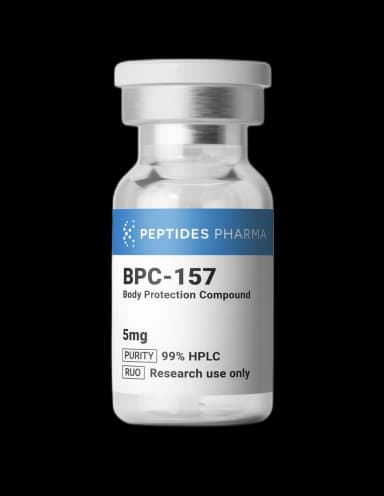
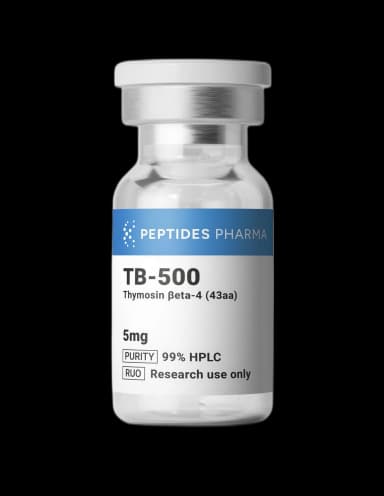
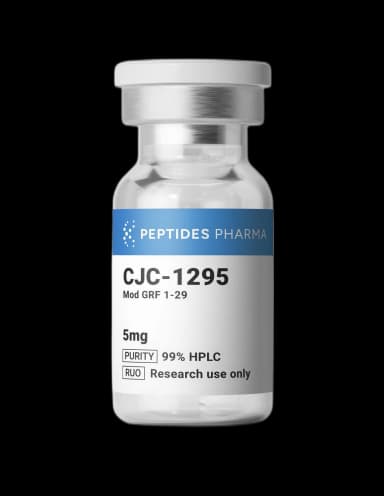
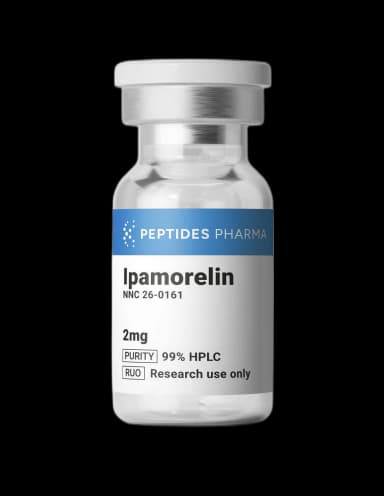
A detailed comparison of lyophilized vials versus traditional vials for research applications. Why lyophilized vials are becoming the new standard.
6 min read · Updated 2026-03-01
The Evolution of Peptide Delivery
For decades, research peptides have been supplied as lyophilised (freeze-dried) powder in vials, requiring manual reconstitution with bacteriostatic water before each use. This process, while functional, introduces several variables that can compromise research consistency.
Pre-mixed lyophilized vials represent the next evolution in peptide delivery — eliminating reconstitution entirely and providing precise, repeatable dosing in a ready-to-use format.
Dosing Accuracy: Lyophilized vs Liquid
Vial dosing challenges: - Requires accurate measurement of bacteriostatic water for reconstitution - Manual drawing from vial using insulin syringes - Dosing depends on the researcher's ability to read syringe markings - Volume errors compound with each step - Typical dosing variance: ±10-15%
Vial dosing advantages: - Factory-calibrated precision dosing mechanism - Each click delivers an exact, pre-determined amount - No reconstitution math or volume calculations - Consistent dose from first to last administration - Typical dosing variance: <2%
For research requiring repeatable results, the vial system's precision is a significant advantage.
RECOMMENDED PRODUCT
Contamination Risk
Every time a vial is pierced with a needle, there is a risk of introducing contaminants — bacteria, particulates, or oxidation. Over a 30-day research protocol with daily administrations, a vial is pierced 30+ times.
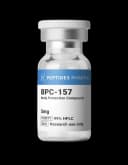
Peptides Pharma's research vials use a sealed cartridge system with sterile disposable needles for each administration. The peptide solution never contacts the external environment until the moment of use, dramatically reducing contamination risk.
Additionally, Peptides Pharma peptides undergo 0.22μm sterile filtration and gamma ray sterilisation — exceeding the standards of most vial-based suppliers.
Convenience and Portability
Vial kit requirements: - Lyophilised peptide vial - Bacteriostatic water - Insulin syringes - Alcohol swabs - Sharps container - Reconstitution instructions
Vial kit: - Lyophilized peptide vial - Bacteriostatic water, insulin syringes
The vial system's simplicity makes it practical for research settings where minimal equipment and preparation time are valued.
RECOMMENDED PRODUCT
Stability and Shelf Life
Reconstituted peptides in vials typically must be used within 2-4 weeks and stored at 2-8°C. If storage conditions fluctuate, degradation accelerates.
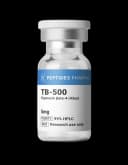
Peptides Pharma's vial formulations are engineered for stability, with a 24-month shelf life when stored at 2-8°C. The sealed vial protects against light exposure, oxidation, and temperature fluctuations that can degrade peptide integrity in opened vials.
Cost Comparison
While research vials typically have a higher upfront cost than vials, the total cost of ownership often favours vials when you factor in:
- Bacteriostatic water (€5-10 per vial) - Insulin syringes (€10-20 for a box) - Reconstitution errors leading to wasted product - Time spent on preparation - Potential contamination requiring early disposal
Peptides Pharma research vials deliver a complete 30-day research supply with no additional equipment needed.
Which Should You Choose?
Choose a vial if: - You need to customise concentrations for specific protocols - You're experienced with reconstitution and precise syringe work - Budget is the primary constraint
Choose a vial if: - Dosing accuracy and consistency are priorities - You want to minimise contamination risk - Convenience and portability matter - You're running protocols that require repeatable results - You prefer ready-to-use solutions
For most researchers, especially those running multi-week protocols, the vial system's accuracy, convenience, and reduced contamination risk make it the superior choice.