
Are Peptides Legal in the UK? Complete 2026 Guide
8 min read
Athletic injuries demand fast, complete recovery. Peptides Pharma's sports recovery peptide range combines BPC-157 and TB-500 for tissue repair with CJC-1295 for growth hormone-mediated recovery — providing researchers with a comprehensive toolkit for studying accelerated return-to-play timelines.
Premium vorgemischte, gebrauchsfertige Peptid-Verabreichungssysteme für die Forschung
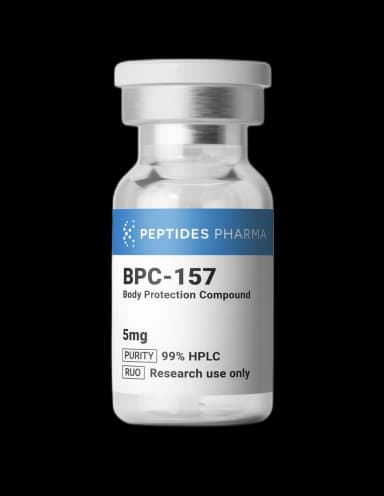
Body Protection Compound-15
A pentadecapeptide widely studied in tissue regeneration and gastrointestinal research. Research suggests BPC-157 may modulate nitric oxide pathways and growth factor expression including VEGF and EGF.
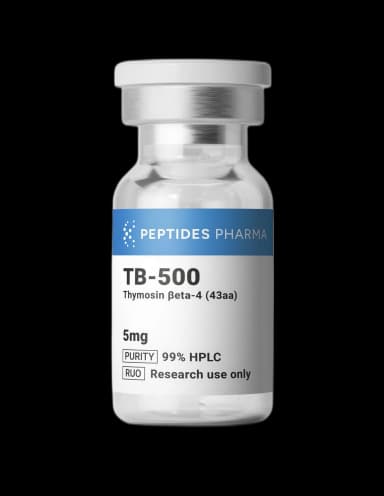
Thymosin Beta-4 Fragment
A fragment of Thymosin Beta-4 studied for its role in cell migration and actin regulation. Research suggests TB-500 may promote angiogenesis and modulate inflammatory and wound repair pathways.
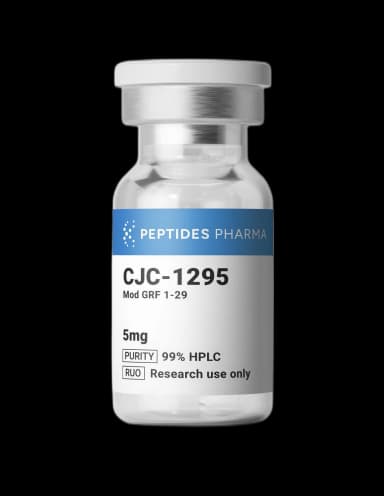
Mod GRF 1-29
A GHRH analogue investigated for growth hormone pathway modulation. Studies indicate CJC-1295 may stimulate pulsatile GH release via pituitary GHRH receptors with an extended half-life profile.
BPC-157, TB-500, and CJC-1295 are the three most extensively researched peptides in the context of sports injury recovery. BPC-157 has over 100 published studies demonstrating tissue repair properties across muscle, tendon, ligament, and bone injuries. TB-500 is researched for its ability to promote cell migration and reduce inflammation in acute soft tissue injuries. CJC-1295 supports recovery by stimulating sustained growth hormone release, which is essential for tissue repair, protein synthesis, and reducing recovery time between intense training sessions.
Traditional sports injury treatments focus on managing symptoms — ice, compression, anti-inflammatory drugs, and rest. Peptide research explores a fundamentally different approach: enhancing the body's intrinsic repair mechanisms. BPC-157 promotes new blood vessel formation and growth factor expression at the injury site. TB-500 facilitates cell migration to damaged tissue. CJC-1295 elevates growth hormone, which accelerates protein synthesis and tissue regeneration. These biological mechanisms aim to speed up actual healing rather than simply reducing pain and swelling while waiting for natural recovery.
Yes, emerging research examines whether peptides can play a protective role against sports injuries. BPC-157 has been studied for its cytoprotective effects — its ability to protect tissues from damage before it occurs. CJC-1295's growth hormone stimulation supports ongoing tissue maintenance and collagen synthesis that may strengthen connective tissues against injury. Some researchers are exploring whether prophylactic peptide protocols could reduce injury rates in high-intensity training environments by maintaining optimal tissue health and resilience.
Absolutely. In fact, many sports science researchers specifically design protocols that combine peptide administration with structured rehabilitation exercises. The rationale is that peptides like BPC-157 and TB-500 enhance the biological healing response, while physiotherapy provides the mechanical stimulus that guides tissue remodelling along functional lines. CJC-1295's growth hormone elevation further supports the tissue adaptation that occurs in response to progressive loading. This integrative approach is becoming a significant area of interest in sports medicine research.
Legal under MHRA rules. BPC-157, tirzepatide & NAD+ vials with worldwide delivery from £99. >99% purity, GMP certified, COA included.
ARTICLEPens cut dosing error from 15% to under 2%. We compare accuracy, contamination risk, cost, and convenience. See why researchers are switching in 2026.
ARTICLEOver 100 published studies back BPC-157 for tissue repair, gut healing, and neuroprotection. Mechanisms, dosing protocols, and where to buy in the UK.
COMPARISONCompare BPC-157 and TB-500 for recovery research. Mechanisms, benefits, dosing, and when to use each peptide vial. Buy research-grade peptides.
COMPARISONCompare CJC-1295 and Ipamorelin for growth hormone research. Mechanisms, synergy, dosing protocols, and how to stack them. Buy research-grade GH peptide vials.
ENCYCLOPEDIAGastric Pentadecapeptide. Molecular weight: 1419.53 Da. Explore mechanism of action, key studies, and research applications.
BUNDLEThe most studied peptide duo in tissue regeneration research
PROTOCOLResearch protocol combining BPC-157 and TB-500 lyophilized vials for accelerated tissue recovery. Explore synergistic healing mechanisms, dosing schedules, and published study findings.
FAQEverything you need to know about peptide vial systems. Learn how pre-mixed research vials work, their advantages over vials, dosing mechanisms, and more.
CATEGORYResearch-grade recovery research vials. BPC-157 and TB-500 for tissue repair, wound healing, and inflammation research. >99% purity, UK delivery.
CATEGORYResearch-grade weight loss research vials. Tirzepatide dual GIP/GLP-1 agonist for metabolic research. Lyophilized vials, >99% purity, worldwide delivery.
Premium vorgemischte Peptid-Fläschchen. GMP-gefertigt, >99% Reinheit garantiert. Nächster-Tag-Lieferung in Großbritannien.