A comprehensive comparison of two leading metabolic peptides — tirzepatide's dual GIP/GLP-1 action versus semaglutide's GLP-1 approach.
7 min read · Updated 2026-03-01
Introduction
The metabolic peptide landscape has been transformed by two compounds: semaglutide (the active ingredient in Ozempic and Wegovy) and tirzepatide (Mounjaro). Both target the incretin hormone system, but through fundamentally different mechanisms. Understanding these differences is essential for researchers in the metabolic peptide space.
Mechanism of Action
Semaglutide — GLP-1 Receptor Agonist Semaglutide mimics GLP-1 (Glucagon-Like Peptide-1), a hormone released from the gut after eating. It activates GLP-1 receptors in the pancreas (stimulating insulin release), the brain (reducing appetite), and the digestive system (slowing gastric emptying).
Tirzepatide — Dual GIP/GLP-1 Receptor Agonist Tirzepatide activates both GIP (Glucose-dependent Insulinotropic Polypeptide) and GLP-1 receptors. This dual mechanism is significant because GIP and GLP-1 work through complementary but distinct pathways:
- GIP acts primarily on adipose tissue, promoting fat metabolism and lipid handling - GLP-1 primarily affects appetite, insulin secretion, and gastric emptying - Together, they provide a more comprehensive metabolic effect than either alone
RECOMMENDED PRODUCT
Clinical Efficacy Data
SURMOUNT Trials (Tirzepatide) The SURMOUNT-1 trial demonstrated mean weight reductions of: - 5 mg dose: -15.0% - 10 mg dose: -19.5% - 15 mg dose: -20.9%
STEP Trials (Semaglutide) The STEP-1 trial showed: - 2.4 mg dose: -14.9% mean weight reduction
Head-to-Head: SURPASS Trials The SURPASS-2 trial directly compared tirzepatide to semaglutide 1 mg and found tirzepatide superior at all doses tested, with the highest tirzepatide dose achieving significantly greater HbA1c and weight reductions.
Side Effect Profiles
Both compounds share similar gastrointestinal side effects — the most common being nausea, diarrhoea, and constipation. These are typically mild to moderate and tend to decrease over time.
Semaglutide: Nausea reported in approximately 44% of subjects in clinical trials, generally resolving after 4-8 weeks.
Tirzepatide: Similar GI side effect profile, with some studies suggesting slightly lower rates of nausea compared to semaglutide at equivalent efficacy doses. The dual mechanism may produce a more balanced physiological response.
RECOMMENDED PRODUCT
Availability and Cost
In the UK, both semaglutide (as Wegovy) and tirzepatide (as Mounjaro) are available by prescription for weight management. However, supply shortages have been common, particularly for semaglutide.
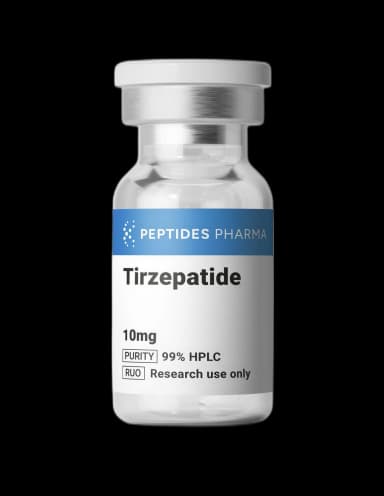
For research purposes, tirzepatide is available from suppliers like Peptides Pharma in lyophilized vials. Peptides Pharma offers two tirzepatide options:
- Tirzepatide Vial: 10 mg, multi-dose vial system, 30-day supply (€169) - Tirzepatide Vial: 40 mg prefilled, single-use weekly vial (€249)
Which Should Researchers Consider?
The choice between tirzepatide and semaglutide depends on the research question:
Choose tirzepatide if: - Studying dual incretin receptor activation - Researching enhanced metabolic effects beyond GLP-1 alone - Investigating fat metabolism and lipid handling - Comparing single vs. dual receptor agonism
Choose semaglutide if: - Studying isolated GLP-1 receptor effects - Building on the larger existing semaglutide literature - Investigating specific GLP-1 pathway questions
Tirzepatide's dual mechanism represents the newer, more comprehensive approach to metabolic peptide science, and the clinical data suggests it may offer superior efficacy for weight and metabolic research.