A comprehensive guide to the leading metabolic and weight-loss peptides available for research in the UK. Compare mechanisms, efficacy data, and delivery systems.
9 min read · Updated 2026-03-05
The Rise of Metabolic Peptides
The UK's metabolic peptide research landscape has transformed dramatically since 2023. The approval and widespread adoption of GLP-1 receptor agonists like semaglutide (Wegovy) sparked a revolution in how researchers and the public think about weight management. By 2026, a new generation of peptides — including dual-action compounds like tirzepatide — has pushed the boundaries of metabolic research even further.
Why peptides for weight-loss research? Traditional weight management approaches — caloric restriction, exercise protocols, and older pharmacological interventions — typically produce modest results in research models. Metabolic peptides offer something fundamentally different: they target the hormonal systems that regulate appetite, satiety, glucose metabolism, and fat storage at a molecular level.
The result, as demonstrated in landmark clinical trials, is weight reduction of 15–21% of body weight — outcomes previously achievable only through bariatric surgery. For UK-based researchers, this represents an extraordinary new frontier in metabolic science.
Peptides Pharma provides research-grade metabolic peptides in lyophilized vials, enabling precise, reproducible protocols without the variability of manual reconstitution.
Tirzepatide: The Dual-Action Leader
Tirzepatide has emerged as the most potent metabolic peptide in clinical research, producing greater weight reduction than any other non-surgical intervention studied to date.
Mechanism of Action Tirzepatide is a dual GIP/GLP-1 receptor agonist. It simultaneously activates two incretin hormone receptors: - GLP-1 (Glucagon-Like Peptide-1): Reduces appetite, slows gastric emptying, stimulates insulin secretion - GIP (Glucose-dependent Insulinotropic Polypeptide): Promotes fat metabolism, enhances lipid handling, improves insulin sensitivity in adipose tissue
This dual mechanism produces a more comprehensive metabolic effect than GLP-1-only compounds.
Clinical Efficacy The SURMOUNT-1 trial (2022) demonstrated remarkable weight reductions with tirzepatide: - 5 mg weekly: -15.0% mean body weight reduction - 10 mg weekly: -19.5% mean body weight reduction - 15 mg weekly: -20.9% mean body weight reduction
The SURPASS-2 trial directly compared tirzepatide to semaglutide 1 mg and found tirzepatide superior at all doses for both weight reduction and HbA1c improvement.
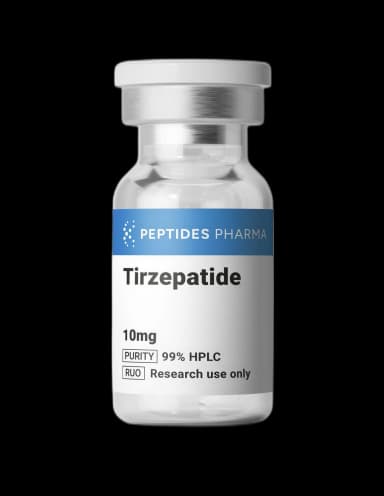
Peptides Pharma Tirzepatide Options - Tirzepatide Vial: 10 mg multi-dose vial, 30-day supply, €169 - Tirzepatide Vial: 40 mg prefilled weekly vial system, single-use design, €249
RECOMMENDED PRODUCT
Semaglutide: The Established Standard
Semaglutide remains one of the most widely studied and prescribed metabolic peptides globally. As a selective GLP-1 receptor agonist, it set the benchmark that newer compounds like tirzepatide aim to surpass.
Mechanism of Action Semaglutide exclusively targets GLP-1 receptors, producing three primary effects: - Appetite suppression: Acts on hypothalamic GLP-1 receptors to reduce hunger and increase feelings of fullness - Delayed gastric emptying: Slows the rate at which food leaves the stomach, promoting sustained satiety - Glucose regulation: Stimulates glucose-dependent insulin secretion from pancreatic beta cells
Clinical Efficacy The STEP-1 trial demonstrated that semaglutide 2.4 mg weekly produced a -14.9% mean body weight reduction over 68 weeks. While impressive, this falls short of tirzepatide's 15–21% reductions at comparable timepoints.
Key Considerations for Researchers Semaglutide's primary advantage is its extensive research base — with more published clinical data than any other metabolic peptide. For studies requiring comparison to established literature, semaglutide remains the reference standard.
However, for researchers focused on maximum metabolic effect or studying dual-receptor pharmacology, tirzepatide's superior efficacy data and novel mechanism make it the more compelling choice.
Emerging Metabolic Peptides to Watch
The metabolic peptide pipeline continues to evolve rapidly. Several compounds in development may further advance weight-loss research:
Retatrutide (Triple Agonist) A GIP/GLP-1/glucagon receptor triple agonist currently in Phase 3 trials. Early data from the TRIUMPH-2 trial showed mean weight reductions of up to 24.2% — exceeding even tirzepatide. The addition of glucagon receptor activation is believed to increase energy expenditure and fat oxidation.
Survodutide (Dual GLP-1/Glucagon) A dual GLP-1/glucagon receptor agonist that promotes weight loss through both appetite suppression and increased metabolic rate. Phase 2 data showed -18.7% mean weight reduction at the highest dose.
Orforglipron (Oral Non-Peptide GLP-1) A small-molecule, orally bioavailable GLP-1 receptor agonist — not a peptide but a non-peptide mimetic. If successful, it could make GLP-1 activation accessible via daily tablets rather than injections.
CagriSema (Semaglutide + Cagrilintide) A combination of semaglutide with an amylin analogue. Phase 2 data demonstrated -15.6% weight reduction in non-diabetic obesity, with the amylin component providing additional appetite-suppressing effects.
While these compounds are still in clinical development, they underscore the rapid pace of innovation in metabolic peptide research. Peptides Pharma monitors the pipeline closely and will introduce new research compounds as they become available for supply.
RECOMMENDED PRODUCT
Dosing Protocols and Titration
Proper dosing and titration are critical for metabolic peptide research. Both tirzepatide and semaglutide follow a dose-escalation approach to manage gastrointestinal tolerability.
Tirzepatide Standard Research Protocol - Weeks 1–4: 2.5 mg once weekly (starting dose) - Weeks 5–8: 5.0 mg once weekly - Weeks 9–12: 7.5 mg once weekly (optional intermediate step) - Weeks 13+: 10–15 mg once weekly (maintenance dose)
The gradual increase allows GI receptor desensitisation, reducing the incidence and severity of nausea — the most common side effect.
Semaglutide Standard Research Protocol - Weeks 1–4: 0.25 mg once weekly - Weeks 5–8: 0.5 mg once weekly - Weeks 9–12: 1.0 mg once weekly - Weeks 13–16: 1.7 mg once weekly - Weeks 17+: 2.4 mg once weekly (maintenance dose)
Key Dosing Considerations - Administration day: Choose a consistent day each week. If the day needs to change, ensure at least 48 hours between doses - Injection site: Rotate between abdomen, thigh, and upper arm. Avoid injecting into the same site consecutively - Timing: Can be administered at any time of day, with or without food - Missed dose: If fewer than 4 days since the missed dose, administer as soon as possible. If more than 4 days, skip and resume on the next scheduled day
Peptides Pharma's Tirzepatide Vial (40 mg tirzepatide) is specifically designed for weekly dosing protocols, with the vial system calibrated for the standard escalation schedule.
Buying Weight-Loss Peptides in the UK
The UK market for metabolic peptides has grown significantly, but quality varies widely between suppliers. Here is what UK researchers should look for:
Quality Indicators - Purity: Minimum 98%, ideally >99% (Peptides Pharma standard) - Certificate of Analysis (CoA): Third-party HPLC and mass spectrometry verification for every batch - GMP Manufacturing: Products made in certified Good Manufacturing Practice facilities - Proper cold-chain shipping: Temperature-controlled delivery to preserve peptide integrity - Research-use labelling: Clear compliance with UK regulations
Red Flags to Avoid - Suppliers making medical or therapeutic claims (violation of MHRA regulations) - Products without batch-specific CoA documentation - Unusually low prices that suggest compromised purity or non-GMP manufacturing - Suppliers based outside the UK/EU with unclear import documentation - Products requiring reconstitution without clear concentration specifications
Peptides Pharma Metabolic Peptide Range Peptides Pharma offers two tirzepatide vial systems designed for UK researchers:
1. Tirzepatide Vial (10 mg, multi-dose, €169): Flexible dosing for customised research protocols. Each vial contains lyophilized peptide with precision precise dosing control.
2. Tirzepatide Vial (40 mg, prefilled weekly, €249): Pre-calibrated for standard weekly escalation protocols. Single-use design eliminates dose calculation and maximises convenience.
Both products exceed 99% purity, ship with full CoA documentation, and arrive via next-day temperature-controlled UK delivery.