A thorough guide to peptide safety profiles, documented side effects, and best practices for responsible peptide research in the UK.
10 min read · Updated 2026-03-31
Understanding Peptide Safety Profiles
Peptides are short chains of amino acids — the same building blocks that make up proteins in the human body. Many research peptides are synthetic versions of naturally occurring compounds, which contributes to their generally favourable safety profiles in published research.
However, 'generally safe' does not mean 'zero risk'. Every research compound has a safety profile that must be understood before designing research protocols. This guide summarises the available data from published studies, animal models, and clinical trials.
Important disclaimer: Peptides Pharma products are sold for research purposes only. This guide presents published research data and does not constitute medical advice. Always consult relevant literature and qualified professionals for research protocol design.
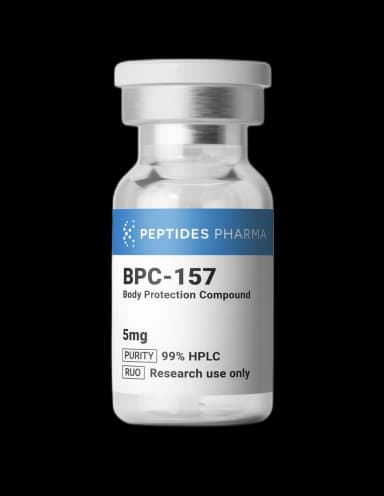
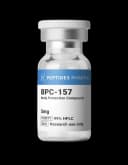
BPC-157 Safety Profile
BPC-157 is considered one of the safest research peptides based on available data:
Published safety data: - No reported lethal dose in animal studies (LD50 not established — could not be reached) - No documented organ toxicity at research doses in animal models - No mutagenic or carcinogenic effects observed - Naturally derived from human gastric juice protein
Potential side effects from animal research: - Generally minimal at research-relevant doses - Mild injection site reactions (redness, minor discomfort) - Potential for headache at higher doses - Possible nausea in sensitive subjects
Key safety considerations: - Extremely low toxicity profile in all published studies - No known drug interactions established - Not extensively studied in human clinical trials - Potential contraindication in pregnancy (not studied)
BPC-157 is widely considered the 'safest' peptide in terms of published toxicology data, but human clinical data remains limited.
RECOMMENDED PRODUCT
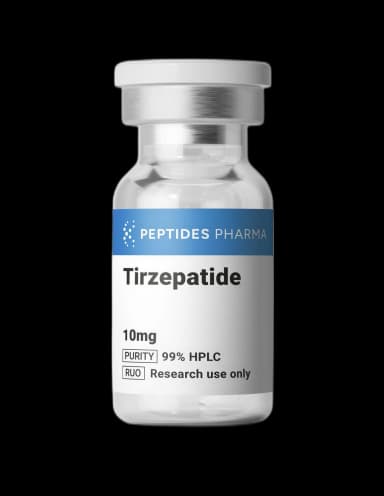
Tirzepatide Safety Profile
Tirzepatide has the most extensive human safety data of any peptide in the Peptides Pharma range, thanks to Eli Lilly's Phase III clinical trials:
Clinical trial safety data (SURPASS & SURMOUNT programmes): - Over 25,000 participants across multiple Phase III trials - FDA and MHRA approved for clinical use
Most common side effects (from clinical trials): - Nausea (15-25% of participants, typically diminishing over 4-8 weeks) - Diarrhoea (12-17%) - Decreased appetite (this is actually a desired mechanism) - Vomiting (6-12%) - Constipation (6-9%) - Abdominal pain (5-8%)
Serious but rare side effects: - Pancreatitis (rare, <1%) - Gallbladder issues (rare) - Hypoglycaemia (primarily in diabetic patients on concurrent insulin)
Key safety considerations: - GI side effects are dose-dependent and typically resolve with gradual dose escalation - Contraindicated with personal/family history of medullary thyroid carcinoma or MEN2 - Not studied in pregnancy/breastfeeding
Tirzepatide has the strongest safety evidence base due to extensive clinical trials.
General Peptide Safety Best Practices
Regardless of the specific peptide being researched, these safety practices are essential:
Storage and handling: - Store all peptides at 2-8°C (standard refrigerator) - Never use a peptide that has been left at room temperature for extended periods - Check for discolouration or particulate matter before each use - Use within the shelf life (Peptides Pharma vials: 24 months)
Administration safety: - Use sterile insulin syringe needles — never reuse needles - Rotate injection sites to prevent lipodystrophy - Swab injection sites with alcohol before administration - Dispose of needles in a sharps container
Quality assurance: - Only use peptides with independent COA verification - Verify >98% purity via HPLC testing (Peptides Pharma: >99%) - Ensure GMP manufacturing and sterility verification - Check for endotoxin testing in the COA
Documentation: - Record all doses, timing, and observations - Note any injection site reactions or adverse events - Maintain a research log for protocol optimisation - Report any unexpected findings to your research supervisor
RECOMMENDED PRODUCT
Why Purity Matters for Safety
The single most important safety factor for research peptides is purity. Low-purity peptides contain impurities that can include:
- Truncated peptide sequences — Incomplete synthesis products that may have unpredictable biological activity - Deletion sequences — Peptides missing one or more amino acids - Acetylated/formylated variants — Chemical modifications from manufacturing - Residual solvents — TFA, acetonitrile, and other synthesis solvents - Endotoxins — Bacterial lipopolysaccharides that can cause severe inflammatory responses - Heavy metals — Trace contamination from manufacturing equipment
This is why Peptides Pharma manufactures all peptides to >99% purity in GMP-certified facilities, with every batch independently tested by ISO 17025-accredited laboratories. Our comprehensive COA testing includes: - HPLC purity analysis - Mass spectrometry identity confirmation - Bacterial endotoxin (LAL) testing - Sterility verification - Residual solvent screening - Heavy metals analysis
Choosing a supplier that provides this level of testing is the single most important safety decision a researcher can make.