An evidence-based comparison of research peptides and hormone replacement therapy. Understanding the fundamental differences in mechanism, regulation, safety, and research applications.
10 min read · Updated 2026-03-07
Peptides and HRT: Fundamentally Different Approaches
Peptides and hormone replacement therapy (HRT) are often discussed in the same breath, particularly in the context of anti-ageing and wellness research. However, they represent fundamentally different biological strategies.
Hormone Replacement Therapy directly introduces exogenous hormones — testosterone, oestrogen, progesterone, or growth hormone — into the body to replace declining endogenous production. HRT is a prescription medical treatment regulated by the MHRA.
Research peptides are short amino acid chains that signal the body's own systems to modulate hormone production, tissue repair, or cellular function. Rather than replacing hormones directly, most peptides stimulate or regulate the body's existing machinery.
This distinction — replacement vs stimulation — is the core difference that shapes everything from safety profiles to regulatory status.
Mechanism of Action: Replacement vs Stimulation
HRT: Direct Hormone Replacement When a patient receives testosterone replacement therapy (TRT), exogenous testosterone directly raises serum levels. The hypothalamic-pituitary-gonadal axis detects elevated hormones and reduces endogenous production through negative feedback. This creates dependence — if exogenous hormones are discontinued, endogenous production may be suppressed.
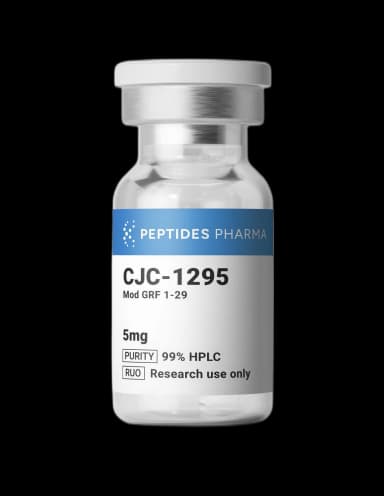
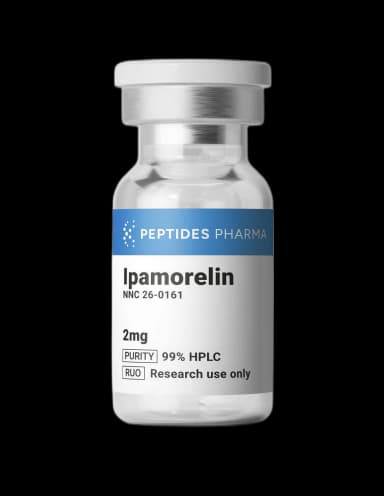
Peptides: Endogenous Stimulation Growth hormone secretagogue peptides like CJC-1295 and Ipamorelin work differently. CJC-1295 stimulates GHRH receptors, while Ipamorelin activates ghrelin receptors — both of which signal the pituitary gland to produce and release more of the body's own growth hormone. The natural feedback mechanisms remain intact.
This means peptide-stimulated hormone release follows natural pulsatile patterns, rather than creating the constant supraphysiological levels sometimes seen with direct HRT. Research suggests this pulsatile release may carry a different safety profile than continuous exogenous administration.
RECOMMENDED PRODUCT
Regulatory Status in the UK
The regulatory landscape differs significantly:
HRT: - Prescription-only medicine (POM) in the UK - Requires GP or specialist prescriber - Regulated by MHRA as a licensed medicine - Monitored with regular blood tests - Available through NHS or private clinics
Research Peptides: - Not classified as prescription medicines - Available for purchase for research purposes - Not licensed for human therapeutic use - Not regulated as medicines by MHRA - Sold by specialist research suppliers like Peptides Pharma
This regulatory difference reflects the maturity of clinical evidence. HRT has decades of clinical trial data supporting specific therapeutic uses. Most research peptides, while showing promising results in preclinical and early clinical studies, have not completed the full regulatory approval process.
All Peptides Pharma peptides are sold strictly for research purposes, in compliance with UK regulations.
Safety Profile Comparison
HRT known risks (from clinical data): - Cardiovascular risk changes (varies by hormone and route) - Potential for hormonal axis suppression - Liver stress with oral formulations - Polycythaemia (elevated red blood cells) with testosterone - Breast cancer risk changes with oestrogen/progesterone - Requires ongoing medical monitoring
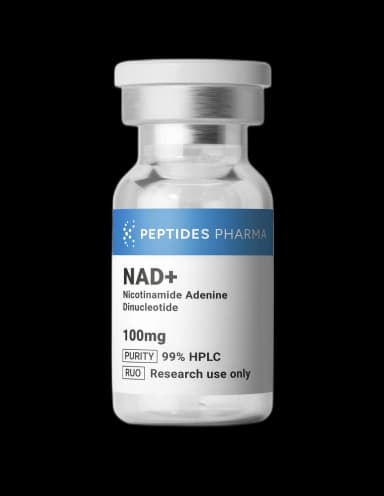
Peptide research safety data: - Generally favourable safety profiles in published studies - BPC-157: No established lethal dose in animal models, minimal reported side effects - CJC-1295 + Ipamorelin: Preserves natural pulsatile GH release patterns - GHK-Cu: Naturally occurring copper peptide with extensive safety data - NAD+: Endogenous coenzyme with established cellular roles - Limited long-term human clinical trial data for most compounds
Key distinction: HRT risks are well-characterised through decades of clinical use. Peptide risks are less fully characterised due to fewer completed clinical trials, though available data generally shows favourable safety profiles.
Neither approach is inherently 'safer' — they carry different, context-dependent risk profiles that must be evaluated against specific research objectives.
RECOMMENDED PRODUCT
Research Applications: Where Each Excels
Where HRT research is strongest: - Treating diagnosed hormone deficiencies - Post-menopausal symptom management - Hypogonadism in men - Conditions requiring precise hormone level targets
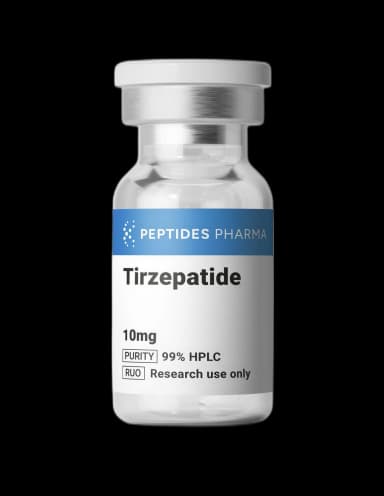
Where peptide research shows promise: - Tissue repair and recovery (BPC-157, TB-500) - Natural GH optimisation without axis suppression (CJC-1295, Ipamorelin) - Skin rejuvenation and anti-ageing (GHK-Cu, Glutathione) - Cellular energy and longevity (NAD+) - Metabolic research (Tirzepatide) - Applications where preserving endogenous function is valued
Emerging research areas: Some researchers are investigating peptides as complementary compounds alongside HRT protocols. For example, BPC-157's tissue-protective properties and NAD+'s cellular energy support are being studied as adjuncts to hormone optimisation programmes.
Peptides Pharma offers a complete range of research peptides for investigators exploring these applications, including BPC-157, TB-500, CJC-1295, Ipamorelin, GHK-Cu, Glutathione, NAD+, and Tirzepatide.