How do research peptides compare to traditional supplements for recovery? An evidence-based analysis of mechanisms, bioavailability, and research outcomes.
8 min read · Updated 2026-03-31
The Recovery Landscape: Peptides and Supplements
Recovery from exercise, injury, or surgery is a complex biological process involving inflammation, tissue repair, remodelling, and adaptation. Both supplements and peptides are studied for their potential to support these processes — but they work in fundamentally different ways.
Supplements (collagen, creatine, BCAAs, omega-3s) typically provide raw materials or cofactors that the body uses during recovery. They are nutritional in nature.
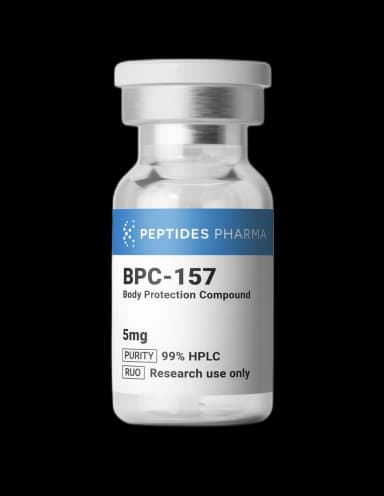
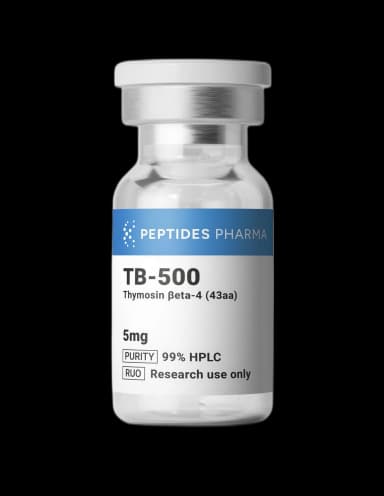
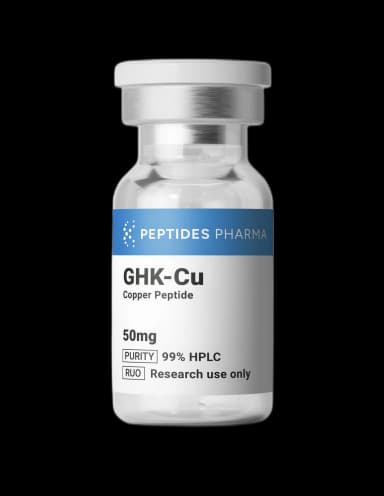
Peptides (BPC-157, TB-500, GHK-Cu) are bioactive signalling molecules that directly activate specific biological pathways involved in repair. They are informational in nature — they tell the body what to do, rather than giving it building blocks.
This distinction — building blocks vs biological signals — explains why peptides often show more targeted and potent effects in research settings, despite being administered at much smaller doses.
Bioavailability: The Critical Difference
One of the most significant differences between peptides and supplements is bioavailability — the proportion of the administered substance that reaches its biological target.
Oral supplement bioavailability: - Collagen peptides: 80-90% absorption, but broken into amino acids (loses signalling capacity) - Creatine monohydrate: ~95% absorption, well-studied - BCAAs: ~70-80% absorption - Omega-3 fatty acids: ~20-30% absorption (highly variable) - Glutathione (oral): <5% absorption (extensively broken down in the gut)
Subcutaneous peptide bioavailability: - BPC-157: High bioavailability via subcutaneous injection, retains full bioactive structure - TB-500: >90% bioavailability subcutaneously, reaches systemic circulation intact - Glutathione (injectable): Near-100% bioavailability vs <5% orally - NAD+ (injectable): Direct cellular availability vs extensive first-pass metabolism orally
The key point: oral supplements must survive digestion, absorption, and first-pass liver metabolism. Subcutaneous peptides bypass these barriers entirely, reaching target tissues in their active form.
This is precisely why Peptides Pharma offers Glutathione and NAD+ as injectable vial formulations — their oral bioavailability is too low to be meaningful for research purposes.
RECOMMENDED PRODUCT
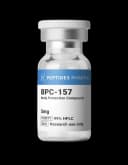
Mechanism Comparison: Signals vs Building Blocks
BPC-157 vs Collagen Supplements Collagen supplements provide amino acids (glycine, proline, hydroxyproline) that serve as raw materials for collagen synthesis. BPC-157 activates growth factor pathways (VEGF, FGF, EGF) and the FAK-paxillin cascade that directs where and how tissue repair occurs. One provides bricks; the other provides the blueprint.
TB-500 vs BCAAs BCAAs (leucine, isoleucine, valine) stimulate muscle protein synthesis via mTOR activation — essentially fuelling muscle rebuilding. TB-500 promotes actin polymerisation, cell migration, and angiogenesis — reorganising the cellular infrastructure needed for tissue repair. Again, building materials vs construction management.
Injectable Glutathione vs Oral Glutathione/NAC Oral glutathione is almost entirely degraded during digestion. NAC (N-acetylcysteine) is a precursor that the body can convert to glutathione, but conversion rates are limited. Peptides Pharma's injectable Glutathione vial delivers the active tripeptide directly into systemic circulation at near-100% bioavailability.
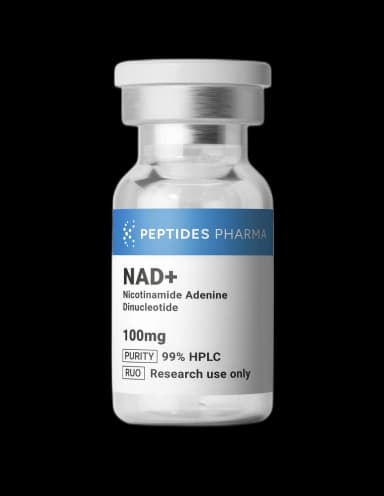
NAD+ Injection vs NMN/NR Supplements Oral NMN and NR are precursors that must be converted to NAD+ through multi-step enzymatic pathways. Peptides Pharma's NAD+ Vial delivers NAD+ directly, bypassing these conversion bottlenecks.
When Supplements May Be Sufficient
Supplements absolutely have their place in recovery research:
- Creatine monohydrate: Arguably the most well-studied supplement, with robust evidence for muscle recovery, strength, and even cognitive benefits. Excellent oral bioavailability. - Protein/collagen: Providing adequate amino acid substrates is foundational — you cannot build without materials. - Omega-3 fatty acids: Well-documented anti-inflammatory effects, though bioavailability varies. - Vitamin D: Essential for bone healing and immune function, widely deficient in UK populations. - Magnesium: Cofactor in over 300 enzymatic reactions, commonly depleted during intense exercise.
For general wellness and baseline nutritional support, quality supplements remain valuable. They are also well-regulated, widely available, and have extensive long-term safety data.
Peptides aren't intended to replace good nutrition — they represent a different category of research compound that operates at the signalling level rather than the nutritional level.
RECOMMENDED PRODUCT
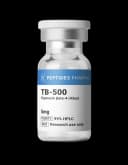
Cost and Practicality Comparison
Monthly cost comparison (approximate): - Quality collagen supplement: €20-€40/month - Creatine monohydrate: €10-€15/month - BCAA supplement: €15-€25/month - Quality omega-3: €15-€30/month - Peptides Pharma BPC-157 vial: €119/month (30-day supply) - Peptides Pharma TB-500 vial: €119/month (30-day supply)
Peptides are unquestionably more expensive than supplements. The premium reflects pharmaceutical-grade manufacturing (>99% purity), GMP-certified production, independent batch testing, and the precision vial delivery format.
Who should consider peptides over supplements? Researchers investigating: - Targeted tissue repair mechanisms - Growth factor pathway modulation - Compounds with high bioavailability requirements (Glutathione, NAD+) - Signalling-level interventions beyond nutritional support - Specific injury or recovery models
For many research protocols, a combined approach using foundational supplements alongside targeted peptides represents the most comprehensive strategy.