Melanotan II is a synthetic cyclic heptapeptide analogue of alpha-MSH that activates melanocortin receptors MC1R through MC5R, studied for melanogenesis, photoprotection, and CNS-mediated behavioural effects.
10 min read · Updated 2026-04-03
What Is Melanotan II (MT-II)?
Melanotan II (MT-II) is a synthetic cyclic heptapeptide analogue of alpha-melanocyte stimulating hormone (alpha-MSH), developed at the University of Arizona by Victor Hruby and Mac Hadley in the 1990s. Its sequence is Ac-Nle-cyclo[Asp-His-D-Phe-Arg-Trp-Lys]-NH2, featuring a lactam bridge between the Asp and Lys residues that constrains the peptide into a cyclic conformation, dramatically increasing metabolic stability and receptor binding affinity compared to the linear parent hormone.
Melanotan II is a non-selective melanocortin receptor agonist, activating MC1R through MC5R with varying affinities. This broad receptor profile underlies its diverse pharmacological effects: MC1R activation drives melanogenesis (skin pigmentation), MC3R and MC4R activation modulates energy homeostasis and sexual function, and MC5R activation influences exocrine gland secretion.
The peptide was originally developed as a sunless tanning agent — a means to stimulate melanin production and UV protection without sun exposure. However, during clinical trials, researchers observed unexpected effects on sexual arousal mediated through central MC4R activation. This observation led directly to the development of PT-141 (Bremelanotide), a derivative of MT-II that was eventually FDA-approved for hypoactive sexual desire disorder.
Melanotan II research spans melanogenesis, photoprotection, appetite regulation, sexual function, and nociception, making it one of the most pharmacologically diverse peptides in research use.
Melanogenesis: The MC1R Pigmentation Pathway
Melanotan II's most well-characterised effect is stimulation of melanogenesis through MC1R activation on melanocytes. MC1R is a Gs-protein coupled receptor that, upon activation, increases intracellular cAMP levels, activating protein kinase A (PKA) and the transcription factor CREB. CREB upregulates MITF (Microphthalmia-associated Transcription Factor), the master regulator of melanocyte biology, which in turn promotes expression of melanogenic enzymes including tyrosinase, TRP-1, and TRP-2.
The result is increased synthesis of eumelanin — the brown-black pigment primarily responsible for photoprotection. Eumelanin absorbs UV radiation, scavenges free radicals generated by UV exposure, and provides a physical shield for the underlying DNA. Research suggests that MT-II-induced pigmentation provides meaningful UV protection equivalent to an estimated SPF of 2-4, though this is supplementary rather than a replacement for sunscreen.
Studies indicate that MT-II produces more uniform melanin distribution compared to UV-induced tanning, which tends to be patchy and concentrated in UV-exposed areas. MT-II stimulates melanocytes systemically, including in normally sun-protected areas, producing a more even pigmentation response.
Photoprotection research with Melanotan II is particularly relevant for individuals with Fitzpatrick skin types I-II (fair skin, red/blonde hair) who produce predominantly pheomelanin (a reddish-yellow pigment with pro-oxidant properties) rather than photoprotective eumelanin. Research suggests that MC1R activation by MT-II can shift the eumelanin/pheomelanin ratio toward more protective eumelanin synthesis.
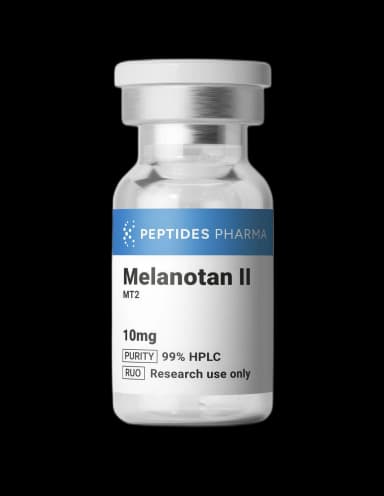
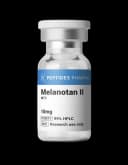
Buy Melanotan II research vials from Peptides Pharma for melanogenesis studies with >99% purity and full Certificate of Analysis.
RECOMMENDED PRODUCT
Central Nervous System Effects: MC3R and MC4R
Melanotan II's activation of central melanocortin receptors — particularly MC3R and MC4R in the hypothalamus and limbic system — produces behavioural and physiological effects that extend well beyond skin pigmentation.
Sexual Function (MC4R): MT-II activates MC4R in the paraventricular nucleus and medial preoptic area of the hypothalamus, triggering descending signals through the spinal cord to erectile tissue. Clinical studies demonstrated that MT-II produced penile erections in men with erectile dysfunction, including those who did not respond to PDE5 inhibitors. The MC4R-mediated mechanism is fundamentally different from peripheral vasodilatory approaches, acting through central arousal pathways.
Appetite and Energy Homeostasis (MC3R/MC4R): The melanocortin system is a critical regulator of energy balance. MC4R activation in the hypothalamic paraventricular nucleus suppresses appetite, while MC3R modulates nutrient partitioning and metabolic efficiency. MT-II administration reduces food intake in both lean and obese animal models, an effect that is consistent with its melanocortin agonist profile.
Nociception: Research indicates that MC4R activation modulates pain processing. MT-II has shown both pro-nociceptive and anti-nociceptive effects depending on dose and context, reflecting the complex role of melanocortin signalling in pain pathways.
The broad CNS effects of MT-II highlight the pervasive role of melanocortin signalling in neural function and have driven considerable research interest in selective melanocortin agonists that target specific receptor subtypes.
Melanotan II Molecular Profile
- Full Name: Melanotan II / MT-II / MT-2 - Sequence: Ac-Nle-cyclo[Asp-His-D-Phe-Arg-Trp-Lys]-NH2 - Molecular Formula: C₅₀H₆₉N₁₅O₉ - Molecular Weight: 1,024.18 g/mol - Classification: Synthetic cyclic heptapeptide melanocortin agonist - Receptor Profile: MC1R, MC3R, MC4R, MC5R (non-selective agonist) - Half-life: Approximately 60-90 minutes (subcutaneous) - Cyclisation: Lactam bridge Asp-Lys
The cyclic lactam bridge is critical for MT-II's pharmacological properties. It constrains the peptide backbone into a bioactive conformation that resists proteolytic degradation, extending the half-life approximately 10-fold compared to linear alpha-MSH. The D-Phe substitution further enhances stability and receptor affinity.
Peptides Pharma Melanotan II is manufactured in GMP-certified facilities with >99% HPLC purity and mass spectrometry confirmation of cyclic structure integrity.
RECOMMENDED PRODUCT
Research Protocols and Dosing
Published Melanotan II research protocols employ subcutaneous injection as the standard route of administration. Intranasal delivery has also been investigated, though bioavailability is lower and more variable.
For melanogenesis research, protocols typically begin with a low-dose loading phase of 100-250 mcg per day for the first week, followed by maintenance dosing of 500-1000 mcg every 2-3 days. Visible pigmentation changes are generally reported within 7-14 days of initiating research protocols, with peak effects after 4-6 weeks.
For sexual function research, single-dose protocols using 0.01-0.025 mg/kg have been reported in clinical studies. Effects on arousal are typically observed within 1-4 hours of administration and may persist for 6-12 hours.
Researchers should be aware that MT-II produces a characteristic set of transient effects following injection, including facial flushing, mild nausea, and sometimes fatigue. These effects are dose-dependent and typically resolve within 1-2 hours. They are attributed to peripheral MC receptor activation and are well-documented in the clinical literature.
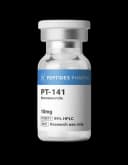
For researchers studying melanocortin receptor pharmacology, MT-II serves as a reference non-selective agonist alongside more selective compounds. PT-141 (Bremelanotide), available separately from Peptides Pharma, provides a useful comparison as a metabolite-derived melanocortin agonist with a different receptor selectivity profile.
MT-II vs PT-141: Understanding the Relationship
PT-141 (Bremelanotide) is the active metabolite of Melanotan II, formed by C-terminal cleavage of the MT-II peptide. While MT-II and PT-141 share melanocortin receptor agonist activity, their pharmacological profiles differ in important ways.
MT-II retains significant MC1R activity (melanogenesis) alongside MC3R/MC4R activity (CNS effects). PT-141 shows reduced MC1R affinity, meaning it produces less pigmentation while retaining the MC4R-mediated sexual function effects. This selectivity shift is what made PT-141 suitable for clinical development as a sexual function agent without the cosmetic pigmentation effects of MT-II.
PT-141 was FDA-approved in 2019 as Vyleesi for the treatment of hypoactive sexual desire disorder in premenopausal women, making it the first melanocortin-based drug approved for any indication. For researchers, the MT-II to PT-141 story illustrates how understanding melanocortin receptor pharmacology can guide compound optimisation.
Peptides Pharma offers both Melanotan II and PT-141 as research-grade lyophilized vials with >99% purity. Researchers studying melanocortin receptor biology benefit from having both compounds available to compare receptor selectivity profiles. Buy Melanotan II UK and worldwide from Peptides Pharma with cold-chain delivery and full COA documentation.