
How BPC-157 Provides Multi-Pathway Tissue Protection
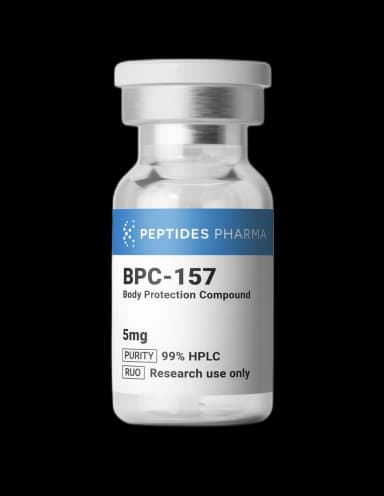
BPC-157 (Body Protection Compound-157) is a synthetic pentadecapeptide consisting of 15 amino acids, derived from a protein found in human gastric juice. Its tissue-protective mechanisms span multiple biological pathways:
Growth Factor Upregulation: BPC-157 increases expression of VEGF (vascular endothelial growth factor), EGF (epidermal growth factor), and FGF (fibroblast growth factor). These growth factors drive angiogenesis, epithelial repair, and fibroblast proliferation — the building blocks of tissue healing.
Nitric Oxide System: BPC-157 modulates the NO system, promoting vasodilation and improved blood flow to damaged tissues. This is critical for delivering oxygen and nutrients to repair sites.
FAK-Paxillin Pathway: The peptide activates focal adhesion kinase signalling, essential for cell migration during wound healing. This enables repair cells to reach and populate damaged tissue areas.
Gastric Protection: BPC-157's origin in gastric juice proteins is reflected in its strongest evidence base — protection and healing of gastrointestinal tissue, including protection against NSAID-induced gastric damage, alcohol lesions, and inflammatory bowel conditions.
How KPV Provides Precision Anti-Inflammatory Action
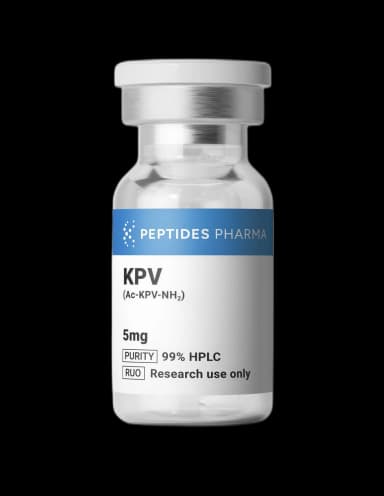
KPV (Lys-Pro-Val) is a C-terminal tripeptide fragment of alpha-melanocyte stimulating hormone (alpha-MSH). Its anti-inflammatory mechanism is remarkably potent for such a small molecule:
Direct NF-κB Inhibition: KPV inhibits nuclear translocation and activation of NF-κB, the master transcription factor that drives expression of pro-inflammatory genes. By blocking NF-κB, KPV suppresses the production of TNF-α, IL-1β, IL-6, and other inflammatory mediators at the transcriptional level.
Melanocortin Receptor-Independent Activity: While alpha-MSH acts through melanocortin receptors, research suggests KPV may also exert anti-inflammatory effects through receptor-independent intracellular mechanisms, directly interfering with inflammatory signalling cascades.
IBD Applications: KPV has particularly strong evidence in inflammatory bowel disease models. Studies demonstrate reduced colonic inflammation, preserved epithelial barrier integrity, and accelerated mucosal healing when administered systemically or via oral/colonic delivery.
Immune Modulation Without Immunosuppression: KPV modulates immune cell activity by shifting the inflammatory response from destructive to restorative, without causing the broad immunosuppression associated with corticosteroids or other anti-inflammatory agents.
Comparing Approaches to Gut Health Research
Both BPC-157 and KPV have strong evidence for gut health applications, but through different mechanisms:
BPC-157 for Gut Health: BPC-157's gastric origin translates to robust evidence for gastrointestinal protection. Studies demonstrate protection against NSAID-induced gastric lesions, alcohol-induced damage, and various models of intestinal injury. Its mechanism involves growth factor upregulation, blood vessel formation, and direct cytoprotective effects on gastric mucosa. BPC-157 is often described as a comprehensive gut repair peptide.
KPV for Gut Health: KPV's anti-inflammatory mechanism is particularly effective against the inflammatory component of gut pathology. In IBD models, KPV reduces NF-κB-driven intestinal inflammation, protects epithelial tight junctions, and promotes mucosal healing. It addresses the inflammatory cause rather than directly stimulating repair.
Complementary Approaches: Researchers studying comprehensive gut healing may investigate both compounds — KPV to resolve the inflammatory driver of damage, and BPC-157 to stimulate the repair processes that restore tissue integrity. Both are available as lyophilized vials from Peptides Pharma.
Which Should You Choose?
Choose BPC-157 if your primary research focus is: - Broad-spectrum tissue repair across multiple tissue types - Tendon, ligament, and musculoskeletal healing - Gastric protection and GI cytoprotection - Nerve regeneration and neuroprotection - Research requiring the largest published evidence base (100+ studies)
Choose KPV if your primary research focus is: - Targeted NF-κB-driven anti-inflammatory intervention - Inflammatory bowel disease and intestinal inflammation - Skin inflammation and dermatitis models - Precision anti-inflammatory research without broad growth factor stimulation - Melanocortin system and alpha-MSH biology
Choose both if: - Your research spans both inflammation resolution and tissue repair - You are studying gut health from both anti-inflammatory and cytoprotective angles - Comprehensive tissue healing — from inflammation control to structural repair — is your endpoint - You want to compare broad-spectrum vs precision anti-inflammatory approaches

