
How Epithalon Maintains Telomere Integrity
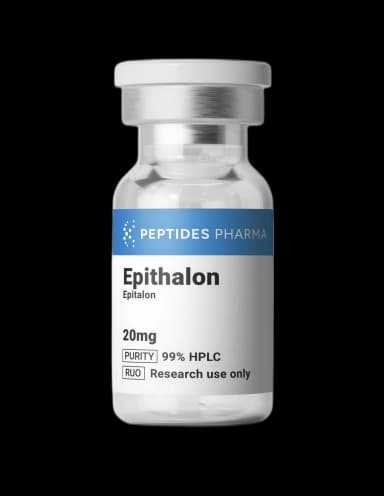
Epithalon (Epitalon/Epithalone) is a synthetic tetrapeptide based on the endogenous peptide epithalamin, originally isolated from the pineal gland. Its longevity mechanisms centre on telomere biology:
Telomerase Activation: Epithalon stimulates the expression and activity of telomerase (hTERT), the reverse transcriptase that adds TTAGGG repeats to chromosome ends. By maintaining telomere length, Epithalon may delay the onset of replicative senescence — the irreversible growth arrest that limits cell division capacity.
Epigenetic Modulation: Research by Khavinson and colleagues suggests Epithalon influences chromatin remodelling and gene expression patterns, reactivating genes silenced during aging. This epigenetic reprogramming may contribute to its observed effects on tissue function and lifespan.
Pineal-Melatonin Axis: Studies indicate Epithalon supports pineal gland function and melatonin secretion, which declines with age. Melatonin is both a circadian regulator and a potent antioxidant, providing indirect protection against oxidative aging.
How Humanin Provides Broad Cytoprotection
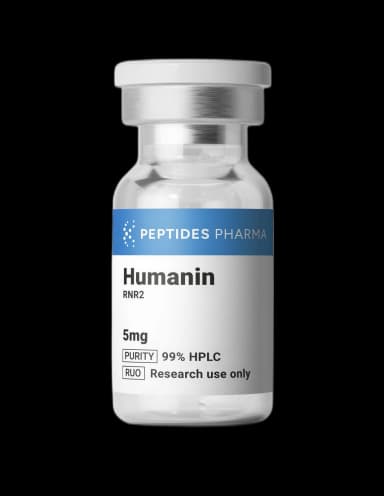
Humanin is a 24-amino acid peptide encoded in the mitochondrial genome (MT-RNR2 gene), discovered in 2001 by Hashimoto et al. during a screen for factors that protect neurons against amyloid-beta toxicity:
Anti-Apoptotic Signalling: Humanin activates STAT3, ERK1/2, and PI3K/AKT survival pathways, protecting cells against programmed cell death triggered by various stressors. It interacts directly with BAX and IGFBP-3 to suppress apoptotic cascades.
Neuroprotection: Originally discovered for its ability to protect neurons against Alzheimer's-associated amyloid-beta peptide, Humanin has since shown neuroprotective effects against multiple neurodegenerative insults. Research suggests it preserves synaptic function and neuronal viability under stress.
Metabolic Regulation: Studies demonstrate Humanin improves insulin sensitivity, modulates glucose metabolism, and interacts with the IGF signalling axis through IGFBP-3 binding. Its levels correlate inversely with insulin resistance and metabolic syndrome markers.
Age-Related Decline: Circulating Humanin levels decline approximately 40% between ages 20 and 80, correlating with increased susceptibility to age-related diseases. This decline mirrors the pattern seen with other mitochondria-derived peptides like MOTS-C.
Combining Epithalon and Humanin for Comprehensive Longevity Research
Epithalon and Humanin address non-overlapping hallmarks of aging, making them scientifically rational to combine:
Epithalon addresses: Telomere attrition (preventing replicative senescence), epigenetic aging (gene expression modulation), circadian-antioxidant defence (pineal-melatonin axis)
Humanin addresses: Cellular stress resistance (anti-apoptotic signalling), mitochondrial aging (as a mitochondria-derived peptide), metabolic homeostasis (insulin sensitivity, IGFBP-3 modulation), neurodegeneration (amyloid-beta protection)
The complementary mechanisms suggest a multi-hallmark longevity protocol: Epithalon preserves the genomic clock while Humanin protects cells from the accumulating damage that accelerates aging. Epithalon's cycling protocol (10-20 days on, months off) pairs naturally with Humanin's continuous or intermittent dosing schedule.
Both compounds are available as lyophilized vials from Peptides Pharma, reconstituted with bacteriostatic water for subcutaneous administration.
Which Should You Choose?
Choose Epithalon if your primary research focus is: - Telomerase biology and telomere length dynamics - Epigenetic aging markers and gene expression reprogramming - Pineal gland function and melatonin regulation - Research with a longer-established evidence base (since 1980s)
Choose Humanin if your primary research focus is: - Cytoprotection and cellular stress resistance - Neurodegenerative disease models (Alzheimer's, neuronal survival) - Metabolic aging, insulin sensitivity, and IGF signalling - Cardioprotection and ischaemia-reperfusion models - Mitochondria-derived peptide biology
Choose both if: - You want a multi-hallmark longevity protocol covering epigenetic and mitochondrial aging - Your research spans cellular senescence and cellular stress resistance - You are studying synergistic effects of complementary longevity interventions - Comprehensive aging biology is the focus of your research programme

