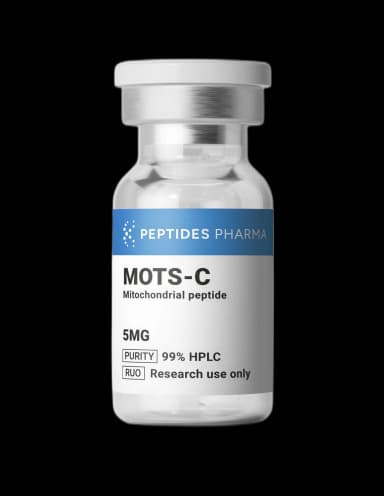
MOTS-C is an endogenous mitochondria-derived peptide encoded by the 12S rRNA gene that activates AMPK signalling, functioning as an exercise mimetic with broad metabolic homeostasis effects.
11 min read · Updated 2026-04-03
What Is MOTS-C?
MOTS-C (Mitochondrial Open reading frame of the Twelve S rRNA type-C) is a 16-amino acid peptide encoded by a short open reading frame within the 12S ribosomal RNA gene (MT-RNR1) of the mitochondrial genome. Discovered in 2015 by Changhan Lee and colleagues at the University of Southern California, MOTS-C was the second mitochondria-derived peptide (MDP) to be identified after Humanin, fundamentally expanding our understanding of mitochondrial biology.
The discovery of MOTS-C was transformative because it demonstrated that mitochondrial DNA encodes functional signalling peptides beyond the canonical 13 proteins. MOTS-C is translated in the cytoplasm from mitochondrial mRNA, secreted into the bloodstream, and acts as a systemic signalling molecule — effectively functioning as a mitochondria-derived hormone or 'mitokine.'
MOTS-C's primary biological function is metabolic regulation through AMPK (AMP-activated protein kinase) activation. AMPK is the master cellular energy sensor that coordinates metabolic responses to energy deficit, promoting glucose uptake, fatty acid oxidation, and mitochondrial biogenesis while suppressing energy-consuming processes like lipogenesis and gluconeogenesis. By activating AMPK, MOTS-C mimics many of the metabolic benefits of exercise.
Circulating MOTS-C levels decline with age and are inversely correlated with insulin resistance, obesity, and metabolic syndrome — positioning MOTS-C as both a biomarker and potential therapeutic target in metabolic aging research.
AMPK Activation: The Exercise Mimetic Mechanism
MOTS-C's central mechanism of action is AMPK activation, which it achieves through modulation of the folate cycle and de novo purine biosynthesis pathway.
Research by Lee's group demonstrated that MOTS-C inhibits the folate/methionine cycle, leading to accumulation of the metabolite AICAR (5-aminoimidazole-4-carboxamide ribonucleotide) — a potent endogenous AMPK activator. AICAR mimics the cellular energy depletion signal of a high AMP/ATP ratio, triggering AMPK activation even in the absence of actual energy deficit. This mechanism is elegant: MOTS-C co-opts an existing metabolic pathway to activate AMPK pharmacologically.
AMPK activation by MOTS-C triggers a cascade of metabolic adaptations that mirror the effects of exercise. Glucose uptake increases through GLUT4 translocation to the plasma membrane. Fatty acid oxidation is enhanced through inhibition of acetyl-CoA carboxylase and activation of carnitine palmitoyltransferase 1. Mitochondrial biogenesis is stimulated through PGC-1alpha activation. These are precisely the same adaptations observed with regular exercise training.
Studies demonstrate that MOTS-C translocates to the nucleus under metabolic stress conditions, where it interacts with nuclear DNA to regulate gene expression through an AMPK-dependent mechanism. This retrograde signalling — from mitochondria to the nucleus — represents a novel form of mito-nuclear communication that may play a fundamental role in metabolic homeostasis.
The exercise-mimetic properties of MOTS-C have attracted enormous research interest, particularly for populations where exercise capacity is limited by age, disability, or disease.
RECOMMENDED PRODUCT
Metabolic Research: Insulin Sensitivity and Body Composition
MOTS-C's metabolic effects have been extensively characterised in both dietary and genetic obesity models, with consistent improvements in insulin sensitivity and body composition.
In diet-induced obesity models, MOTS-C administration prevented weight gain, reduced fat mass, and improved glucose tolerance without affecting food intake. The mechanism involves enhanced fatty acid oxidation and increased energy expenditure rather than appetite suppression — consistent with its exercise-mimetic profile. Importantly, MOTS-C preserved lean mass while selectively reducing adiposity.
In aged mice, MOTS-C reversed age-dependent insulin resistance and improved glucose disposal rates to levels comparable to young controls. This age-reversal effect was accompanied by improved skeletal muscle insulin signalling and enhanced mitochondrial function in metabolically active tissues. The findings suggest that declining endogenous MOTS-C levels contribute to the insulin resistance of aging.
A particularly significant study demonstrated that MOTS-C improved physical performance in aged mice — increasing treadmill endurance, grip strength, and overall locomotor activity. This physical performance enhancement, combined with metabolic improvements, supports the characterisation of MOTS-C as a genuine exercise mimetic.
Human epidemiological data supports these preclinical findings. Circulating MOTS-C levels are lower in type 2 diabetic patients compared to normoglycaemic controls, lower in obese versus lean individuals, and decline progressively with age. Japanese centenarians carry a specific mitochondrial DNA polymorphism (m.1382A>C) associated with higher MOTS-C levels, suggesting a link between MOTS-C signalling and exceptional longevity.
Buy MOTS-C research vials from Peptides Pharma for metabolic and aging research protocols with >99% HPLC purity.
MOTS-C Molecular Profile
- Full Name: Mitochondrial Open reading frame of the Twelve S rRNA type-C - Sequence: Met-Arg-Trp-Gln-Glu-Met-Gly-Tyr-Ile-Phe-Tyr-Pro-Arg-Lys-Leu-Arg - Molecular Weight: 2,174.6 g/mol - Classification: Mitochondria-derived peptide (MDP) - Gene: MT-RNR1 (mitochondrial 12S rRNA) - Primary Target: AMPK (via folate cycle/AICAR modulation) - Half-life: Approximately 4-6 hours - Discovery: 2015, Changhan Lee et al., USC
MOTS-C is translated from a non-canonical open reading frame within the 12S rRNA gene. The existence of functional ORFs within rRNA genes was unexpected and has prompted re-examination of the mitochondrial genome for additional uncharacterised MDPs.
Peptides Pharma MOTS-C vials are manufactured to >99% HPLC purity in GMP-certified facilities with full mass spectrometry verification of sequence identity. Each vial ships with a comprehensive Certificate of Analysis.
RECOMMENDED PRODUCT

MOTS-C Research Protocols
Published MOTS-C research protocols typically employ intraperitoneal or subcutaneous injection as the route of administration. Dosing in preclinical studies has ranged from 0.5 to 15 mg/kg, with most metabolic studies using 5 mg/kg administered daily or three times weekly.
For metabolic research, protocols generally run 4-12 weeks to capture meaningful changes in insulin sensitivity, body composition, and metabolic markers. Key endpoints include glucose tolerance tests, insulin tolerance tests, body composition analysis (MRI or DEXA), and tissue-specific gene expression profiling.
For exercise physiology research, MOTS-C is administered alongside exercise testing protocols (treadmill endurance, grip strength, VO2 assessment) to characterise its exercise-mimetic properties. Some protocols compare MOTS-C administration to exercise training alone, exercise plus MOTS-C, and sedentary controls to assess additive or synergistic effects.
For aging research, MOTS-C is frequently administered to aged animals (18-24 month mice) to assess reversal of age-dependent metabolic decline. Key endpoints include insulin sensitivity, physical performance, mitochondrial function (respiratory chain complex activities, ATP production), and gene expression profiling in skeletal muscle and adipose tissue.
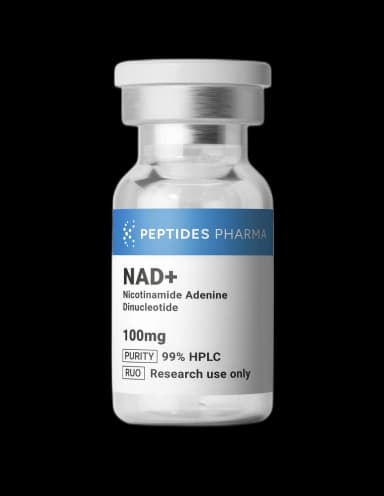
MOTS-C combines naturally with other mitochondrial research compounds. SS-31 (targeting mitochondrial membrane structure), Humanin (cytoprotective MDP), and NAD+ (sirtuin activation) each address different aspects of mitochondrial aging. Peptides Pharma offers all four compounds as high-purity lyophilized vials for comprehensive mitochondrial research.
MOTS-C and the Future of Mitokine Research
MOTS-C is at the forefront of an emerging field: mitokine biology. Mitokines are signalling molecules produced by mitochondria that communicate mitochondrial status to other cellular compartments and distant tissues. The discovery of MOTS-C, Humanin, and the SHLPs has revealed that mitochondria function as endocrine organelles, not merely as cellular power plants.
Active areas of MOTS-C research include exercise science (can MOTS-C supplement the benefits of exercise in limited-mobility populations?), metabolic disease (can MOTS-C restore insulin sensitivity in type 2 diabetes?), and aging biology (is declining MOTS-C a driver of metabolic aging?). Clinical translation efforts are underway, with the first human studies expected in the coming years.
The m.1382A>C polymorphism found in Japanese centenarians — which appears to produce a more active MOTS-C variant — provides compelling genetic evidence linking MOTS-C signalling to longevity. This finding has galvanised aging research and positioned MOTS-C as one of the most promising targets in the longevity field.
Peptides Pharma is committed to providing research-grade MOTS-C vials for the global scientific community. All MOTS-C UK orders ship with cold-chain packaging, full Certificate of Analysis with HPLC and mass spectrometry data, and worldwide delivery. Buy MOTS-C from Peptides Pharma to support your metabolic and aging research with GMP-certified, >99% purity compound.